


Does Artificial Grass Drain Well? A Pro’s Guide
If you’re tired of your natural lawn turning into a swampy, muddy mess every time it rains, you’re not alone. The frustration of waiting days for the ground to dry is a major reason people look for a better solution. This is where an engineered turf system truly shines, offering a clean, stable surface regardless of the weather. This performance difference often leads people to ask, does artificial grass drain well? It absolutely does, because it was designed specifically for that purpose. Unlike compacted topsoil, an artificial turf system uses a permeable base and perforated backing to create a clear path for water, eliminating puddles and keeping mud out of your home for good.
Key Takeaways
- Drainage is an engineered system: Successful water management depends on two key layers working together. Water first passes through the turf’s permeable backing, then flows away through a porous, compacted aggregate base underneath.
- Proper base preparation is non-negotiable: Most drainage failures happen below the surface. To prevent pooling, you must build a stable, compacted aggregate base with a subtle grade that directs water runoff effectively.
- Proactive maintenance prevents future problems: Keep your turf draining freely with simple, regular care. Routinely clearing leaves and debris, along with brushing the turf fibers upright, prevents clogs before they can start.
How Artificial Grass Drains, Explained
One of the biggest questions we get is about water. Will it pool? Will it drain? The short answer is yes, high-quality artificial grass drains exceptionally well, often better than a natural lawn. It’s not just about the turf itself; it’s a complete system working together. When installed correctly, artificial turf is designed to handle everything from a light drizzle to a heavy downpour, keeping your surface dry and usable.
The magic happens in three key stages: water passes through the turf’s permeable backing, moves into a carefully prepared base layer, and is then channeled away from the surface. Let’s break down exactly how each part of this system works to prevent puddles and keep your lawn looking great.
The Role of Permeable Backing
Think of the turf’s backing as the foundation of your drainage system. It’s the material on the underside of the grass that holds all the blades together. Every one of our turf products is built with a fully permeable backing, meaning it’s designed to let water pass right through it instead of sitting on top. When rain falls, it travels down the grass blades and immediately filters through this layer. For projects where drainage is the top priority, like around pools or in rainy climates, our AQUAMAXX® turf features an ultra-permeable backing for maximum flow. For a specific fast-draining option, AQUAMAXX® 50 drainage turf is built for high-flow applications where puddle prevention is the priority. This first step is crucial for preventing surface water from ever becoming a problem.
How the Base Layer Directs Water
Once water moves through the turf’s backing, it enters the sub-base. This is a layer of compacted aggregate, usually crushed rock or gravel, that sits directly underneath the turf. The base layer does two important jobs: it provides a stable, even surface for the turf, and it acts as a drainage channel. The gaps between the stones create a space for water to collect and flow downward, where it can be absorbed by the native soil underneath. A properly constructed base is the key to long-term performance, ensuring water has a clear path to drain away from your lawn. Our installation guides walk you through creating the perfect base for any project.
The Importance of Drainage Holes
To help water move through the backing efficiently, artificial turf is manufactured with small, evenly spaced drainage holes. These perforations act like tiny drains, allowing water to pass from the surface into the sub-base layer quickly and consistently. The rate of drainage is often measured in inches per hour, and a high-quality turf can handle dozens of inches of rainfall per hour per square yard. This feature is especially important for pet-friendly spaces, where liquid waste needs to drain away just as effectively as rainwater. Products in our PETMAXX® series are designed with optimal perforation to ensure a clean, dry, and odor-free surface.
Why Turf Drainage Beats Natural Grass
When you compare artificial turf to a natural lawn, one of the most significant upgrades is how it handles water. A natural lawn’s performance is completely dependent on the soil underneath it. Clay-heavy soil drains slowly, leading to a soggy, unusable mess after a storm. Sandy soil might drain quickly, but it struggles to hold the moisture needed for healthy grass to grow.
An artificial turf system, on the other hand, is engineered for optimal drainage from the start. It’s a complete solution designed to channel water away from the surface efficiently, keeping your lawn dry, clean, and ready for use no matter the weather. This predictable performance is a game-changer for homeowners, property managers, and anyone tired of dealing with mud.
Drains Faster Than Natural Soil
It might seem counterintuitive, but a synthetic lawn is built to drain water far more effectively than most natural ground. The secret is in the system’s construction. Every roll of turf has a permeable backing filled with precisely punched drainage holes, allowing water to pass through freely. Below the turf, a specially prepared base of compacted aggregate acts like a built-in French drain, directing water away from the area. This engineered approach provides consistent, reliable drainage that you just can’t get from compacted topsoil, which often leaves you with a swampy yard for days after a downpour.
Say Goodbye to Mud and Puddles
With poor drainage comes the inevitable mud and puddles that make a natural lawn a no-go zone after it rains. Tracking mud into the house is a constant headache for parents and pet owners. A properly installed artificial turf system eliminates this problem entirely. Because water flows through the turf and into the prepared base below, the surface stays clean and stable. A slight, carefully planned grade ensures any excess water is channeled away, preventing pooling. This means you get a pristine, usable surface that keeps kids, pets, and your home’s interior much cleaner. Following a professional installation guide is key to achieving this flawless, puddle-free result.
Enjoy a Usable Lawn, Rain or Shine
One of the biggest frustrations with a natural lawn is waiting for it to dry out. A heavy rain can make your yard unusable for days, canceling backyard barbecues and playtime. Artificial turf gives you that time back. Since the system is designed to dry out quickly, your lawn is ready for foot traffic almost immediately after the rain stops. This reliability is a huge advantage for families with active kids, commercial venues that need consistent curb appeal, and anyone who wants to make the most of their outdoor space. Our AQUAMAXX® turf systems are specifically designed for maximum drainage, ensuring your project is ready for anything.
Key Installation Steps for Flawless Drainage
Even the best-draining turf can fail if the groundwork isn’t right. A successful installation is all about what happens underneath the surface. Getting the base preparation, slope, and compaction right from the start is the key to creating a system that handles water effortlessly for years. These steps ensure water moves through and away from your turf, preventing the puddles and soggy spots that lead to client callbacks. Think of it as building the foundation for a flawless, functional lawn that performs as great as it looks.
Prepare the Perfect Base
The base layer is the unsung hero of your turf system. This is the layer of aggregate material directly beneath the turf that provides stability and, most importantly, drainage. For most residential and commercial projects, you’ll want to build a base that’s about three to four inches deep. We recommend using materials like crushed granite or other specialized aggregate blends. These materials create a firm yet porous foundation that allows water to filter through efficiently instead of sitting on the surface. A properly prepared base is your first and best line of defense against drainage issues. You can find more detailed specifications in our complete installation guide.
Get the Slope Right for Runoff
Water needs a clear path to follow, and a subtle slope is the best way to guide it. Before you lay down any base material, you need to grade the ground underneath. By creating a gentle slope of about 2%, you ensure that water naturally flows away from structures and toward designated drainage areas, like street gutters or drain boxes. This step is critical for preventing water from pooling on the surface or near foundations. It’s a simple but essential part of the process that makes a huge difference in the long-term performance of the turf, especially after heavy rain.
Compact for Stability and Flow
Once your base material is in place and properly graded, the next step is compaction. Using a plate compactor ensures the base is firm and stable, preventing dips or uneven spots from forming over time. The key is to achieve solid compaction without sacrificing permeability. This is why your choice of base material matters so much. Quality aggregates will lock together to form a solid foundation while still leaving enough void space for water to pass through freely. This creates a durable surface that can handle foot traffic and furniture while supporting your turf’s drainage capabilities, like our high-performance AQUAMAXX® turf.
When to Add Perforated Pipes
In some situations, a standard base isn’t quite enough to handle the water volume. If you’re working in an area with heavy seasonal rainfall or on a property with dense clay soil that doesn’t drain well, you may need to add extra drainage solutions. Installing perforated pipes or a French drain system beneath the base layer can make a world of difference. These systems actively collect and channel excess water away from the turf installation area. It’s an extra step, but for challenging sites, it’s the best way to guarantee a dry, usable surface no matter the weather. If you have questions about a specific project, our team is always here to help you find the right solution.
How to Avoid Common Drainage Problems
The good news is that nearly every drainage issue can be avoided with a solid plan and the right techniques. It’s rarely about the turf itself failing, but about giving the water a clear path to exit the system. From getting the slope just right to choosing the correct base materials for your climate, a little foresight goes a long way. Let’s walk through the most common pitfalls and how you can steer clear of them to ensure a dry, usable lawn for years to come.
Prevent Puddles and Pooling
Artificial turf drains water efficiently, but it can’t defy gravity. If the ground underneath is perfectly flat, water has nowhere to go. This is where a subtle slope becomes your best friend. A gentle grade of just one or two percent is usually enough to guide water toward the edges of the installation or into a designated drainage area. This simple step is the single most effective way to prevent standing water. When you’re planning your project, think about where you want the water to run off and build that direction into your base preparation from the very beginning.
Keep Debris from Clogging Your System
Your turf’s drainage system works best when it’s clean. Over time, things like leaves, dirt, pet hair, and other organic materials can settle into the turf fibers and infill. If left unchecked, this buildup can compact and create a barrier that slows down or even blocks water from passing through the drainage holes. A little routine maintenance makes all the difference. Regularly rinsing the surface with a hose and using a stiff-bristled broom to brush the fibers will help keep your turf system clear and free-draining. Think of it like cleaning the gutters on your house; it’s a simple task that prevents bigger problems down the road.
Sidestep Common Installation Mistakes
When drainage problems pop up, the issue is almost never the turf itself. The real culprit is usually a mistake made during the installation of the sub-base. A base that isn’t properly compacted can settle unevenly, creating low spots where water will collect. Using the wrong type or amount of base material can also impede water flow. That’s why following proven installation guidelines is so important. A well-built, properly graded, and thoroughly compacted base is the foundation of a successful turf project. It provides stability for the surface and ensures water has a clear, unobstructed path to drain away from your lawn.
Address Your Climate’s Unique Challenges
Not all ground is created equal, and neither is every climate. If your project is in an area with heavy rainfall or has dense, clay-based soil that doesn’t absorb water well, you’ll need to adjust your installation plan. In these situations, a standard base might not be enough to handle the water volume. You may need to incorporate additional solutions like a French drain or perforated pipes beneath the turf. It’s also smart to choose turf products with maximum permeability, which are specifically designed to handle high water flow. Acknowledging your site’s specific challenges upfront allows you to build a system that performs flawlessly, no matter what the weather brings.
Simple Maintenance for Peak Drainage Performance
An artificial turf system with excellent drainage is a fantastic, low-maintenance investment. But low maintenance doesn’t mean no maintenance. To keep your turf performing at its best for years, a few simple, proactive steps are all you need. Think of it as a quick check-up to protect your lawn and ensure water flows freely, no matter the weather. These routines are easy to follow and make a huge difference in preventing clogs and preserving the life of your turf.
Clear Away Debris Regularly
The most fundamental step in maintaining your turf’s drainage is keeping it clean. Leaves, twigs, dust, and other organic materials can settle into the turf fibers over time. If left alone, this buildup can create a surface layer that traps water and prevents it from reaching the drainage holes in the backing. A quick pass with a leaf blower or a stiff, non-metal broom is usually enough to clear surface debris. For a deeper clean, you can give the area a gentle rinse with a hose. This simple maintenance routine is your first line of defense against clogs.
Brush Your Turf to Help Water Flow
In areas with regular foot traffic, turf fibers can start to look a bit flat or matted. This doesn’t just affect the look of your lawn; it can also impact drainage. When fibers are pressed down, they can trap debris and slow the flow of water. To fix this, periodically brush the turf with a turf rake or a stiff synthetic broom. Brushing against the natural grain of the fibers helps them stand upright again. This simple action keeps your lawn looking fresh, releases any trapped particles, and ensures water can move without obstruction through the turf and into the base layer.
Manage Pet Areas for Better Drainage
If you have pets, their designated potty spot needs a little extra attention to keep it draining properly. Solid waste should be removed right away, just as you would on natural grass. For liquid waste, it’s a good idea to rinse the area with a hose regularly. This prevents urine residue from building up, which can lead to odors and potential clogs in the infill and backing over time. Pairing this routine with a turf system designed for pets, like our PETMAXX® line, ensures you have a clean, fresh, and well-draining space for your furry friends to enjoy.
Check Your Drainage Performance
It’s smart to occasionally check how well your turf is draining, especially after a heavy rainstorm. Take a walk across your lawn and look for any standing water. A properly installed system should drain quickly, leaving no significant puddles behind. If you notice water pooling for more than an hour after the rain stops, it might be a sign that debris is starting to build up. This is your cue to give the area a good brushing and rinsing. If you’ve tried these simple maintenance steps and still have concerns, don’t hesitate to contact a professional for advice.
Choosing the Best Materials for Drainage
A high-performance drainage system starts long before the turf is rolled out. The materials you choose for the base, the turf itself, and the infill all work together to manage water effectively. Selecting the right components for your specific project prevents pooling, keeps the surface stable, and ensures your installation will perform beautifully for years. When every layer is optimized for drainage, you get a system that can handle anything from a light drizzle to a heavy downpour, keeping the area clean, dry, and ready for use. Let’s break down the best materials for each layer of your project.
Selecting the Right Base Materials
Think of the sub-base as the unsung hero of your turf system. This layer provides the stable foundation your turf needs while creating the primary drainage field. For most applications, you’ll want a base that’s about three to four inches deep. The key is to use materials that compact well for stability but remain porous enough for water to filter through. We recommend using an aggregate like crushed granite, decomposed granite, or limestone. These materials create a firm, level surface that won’t shift underfoot, and their angular nature leaves just enough space for water to pass through freely. Proper installation of this base is the first step to a flawless, puddle-free surface.
Our Top-Performing Turf for Drainage
Not all artificial grass is created equal, especially when it comes to drainage. Modern turf products are engineered with a permeable backing that features precisely punched drainage holes, allowing water to move from the surface into the sub-base below. This design often allows synthetic turf to drain much faster than natural grass and soil. For projects where drainage is the top priority, like poolside areas or regions with heavy rainfall, you need a turf built for the job. Our AQUAMAXX® line is engineered with maximum permeability in mind, featuring a 100% permeable backing that lets water flow through without restriction.
Pick an Infill That Helps, Not Hinders
Infill does more than just help the turf blades stand upright and provide a soft feel underfoot. The right infill also plays a vital role in the drainage system. The material you choose must be permeable, allowing water to flow through it easily to the turf’s backing. Using sand or other fine-particle materials can lead to compaction and clogging over time, trapping water on the surface. For pet-specific areas, choosing a specialized infill with antimicrobial properties is a smart move. It helps neutralize odors from pet urine while still allowing liquids to drain away quickly, keeping your PETMAXX® system fresh and clean.
Is Artificial Grass Drainage Right for Your Project?
Almost every project can benefit from the superior drainage of artificial turf, but the right system depends entirely on the application. A backyard putting green has different needs than a commercial dog park, and a poolside lounge area requires a different approach than a high-traffic playground. The key is matching the turf, base, and installation method to the specific demands of the space. By understanding your project’s unique challenges, you can design a drainage system that performs flawlessly for years, keeping the surface safe, clean, and ready for use no matter the weather.
Residential vs. Commercial Needs
For homeowners, the goal is often a beautiful, low-maintenance lawn that stays usable year-round. Artificial turf drainage means no more muddy footprints tracked inside after a rainstorm and no more canceled playdates because the yard is a swamp. Modern turf systems drain water much faster than natural grass, keeping your backyard clean and accessible. For commercial properties, the stakes are higher. A well-drained turf surface reduces liability by preventing slippery puddles, maintains a professional appearance for clients, and stands up to heavy foot traffic without becoming a muddy mess. Choosing the right products ensures your installation can handle everything from daily use to heavy downpours.
Solutions for Pets and High-Traffic Areas
Pets and high-traffic zones are two of the biggest tests for any landscape surface, and drainage is where artificial turf truly shines. For pet areas, a fully permeable backing is essential. When you pair a product like PETMAXX® with a specialized infill, urine flows through quickly instead of pooling on the surface, which helps control odors and keep the area sanitary. In high-traffic areas like playgrounds or event spaces, the focus is on preventing compaction. A properly prepared base ensures that even with constant use, the ground remains permeable and water can drain away efficiently, keeping the surface stable and puddle-free.
Drainage for Pool Decks and Specialty Zones
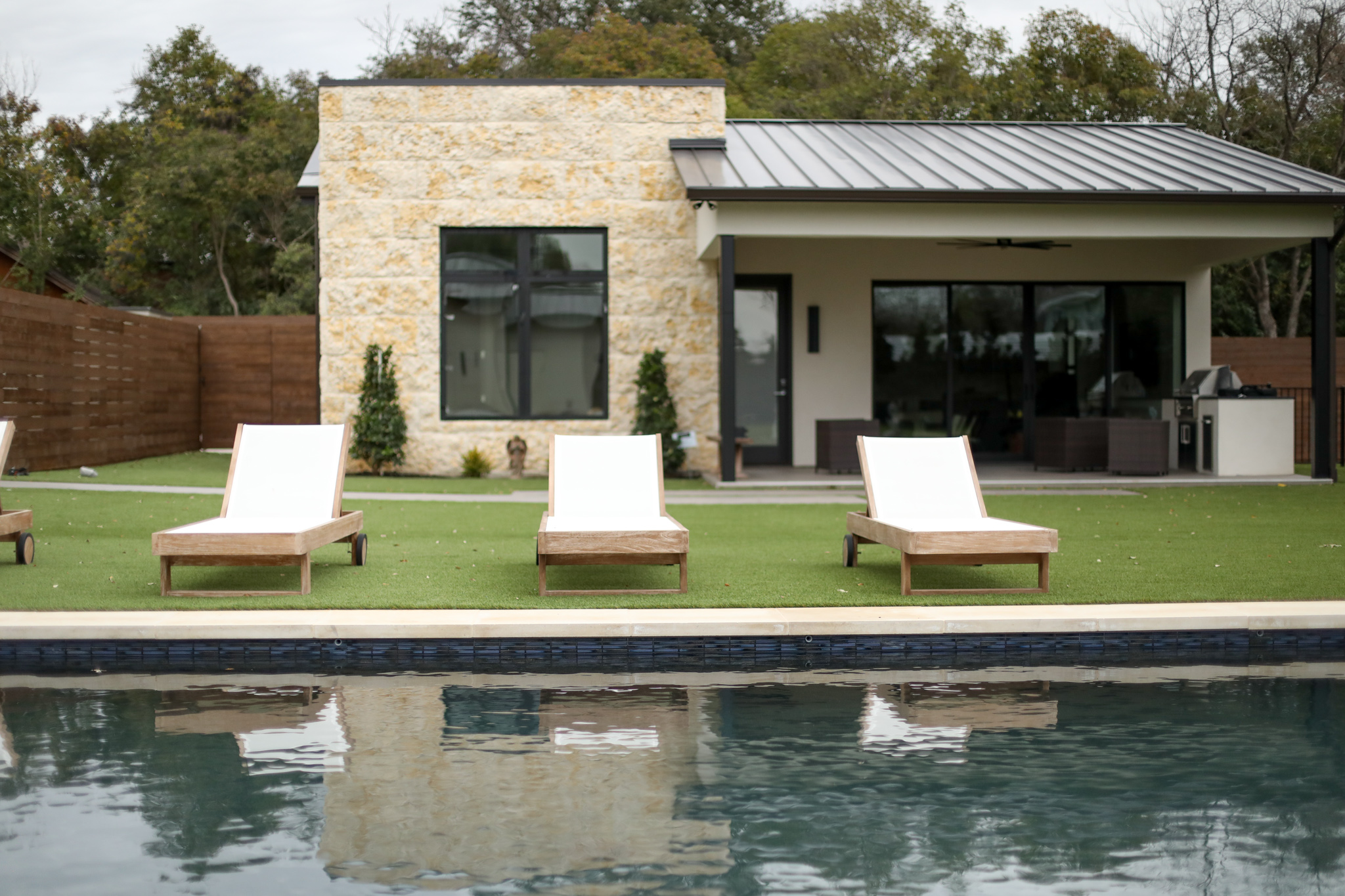
Around pools, safety and cleanliness are top priorities. Artificial turf provides a non-slip surface that’s much safer than wet concrete or tile. Plus, its engineered drainage system moves splashes and rainwater away quickly, preventing standing water. Our AQUAMAXX® line is designed specifically for these environments, so you won’t have to worry about grass clippings or mud getting into the pool. Specialty areas like putting greens or athletic fields also depend on perfect drainage. A waterlogged putting green is unplayable, but a turf system built for performance ensures the surface is always ready for a game, regardless of the weather.
What to Expect for Long-Term Performance
A properly installed artificial turf system is a long-term investment in your property. Good drainage is fundamental to protecting that investment. It keeps your lawn safer by eliminating standing water where mosquitoes can breed and reducing slippery spots. It also helps the turf look its best for longer by preventing matting and discoloration caused by moisture. Ultimately, the success of your project comes down to the quality of the materials and the installation. When done right, you can expect a durable, beautiful surface that drains better than natural grass and provides a reliable, low-maintenance solution for years to come.
Related Articles
- DIY Synthetic Turf Installation: A 6-Step Guide
- What’s the Real Artificial Turf for Backyard Cost?
- AQUAMAXX® 75 – Go Green Synthetic Turf
- How to Choose the Best Synthetic Turf Products
Frequently Asked Questions
What if my yard already has poor drainage and is always soggy? This is actually one of the best reasons to install an artificial turf system. The installation process involves removing the top layer of your existing soil and replacing it with a specially prepared base of aggregate materials. This new base creates a highly effective drainage field that channels water away, solving the core issue of poor soil. The turf system isn’t just laid on top of the problem; it’s engineered to replace it entirely.
Will my turf smell bad if my dogs use it as a bathroom? Odor is a valid concern, but it’s completely preventable with the right system and care. A good pet-friendly turf, like our PETMAXX® series, has a highly permeable backing that allows liquids to pass through quickly. When you pair this with a non-absorbent, antimicrobial infill and a routine of rinsing the area with a hose, you prevent odor-causing bacteria from ever taking hold. The key is ensuring liquids can flush through the system instead of getting trapped.
How much maintenance is really needed to keep the turf draining well? The maintenance is very straightforward. The most important task is to keep the surface clear of organic debris like leaves and dirt, which can clog the system over time. A quick sweep with a stiff broom or a pass with a leaf blower is usually all it takes. In high-traffic areas, brushing the fibers up periodically also helps keep drainage paths open. It’s a small amount of upkeep that ensures your system performs perfectly for years.
Can I install artificial turf on a completely flat surface like a patio? While you can install turf over hardscapes, water still needs a place to go. A perfectly flat, level surface can lead to water sitting on top of the turf. For ground installations, we always recommend building a slight grade of about two percent into the base layer. This gentle slope is barely noticeable but is crucial for guiding water away from the area and preventing any pooling.
Does the type of turf I choose make a big difference in drainage? Yes, it can. While all of our turf products are designed with a fully permeable backing, some are specifically engineered for high-volume water flow. For projects around pools, in areas with heavy rainfall, or anywhere drainage is the absolute top priority, a product from our AQUAMAXX® line is the best choice. Its backing is designed for maximum permeability, ensuring water moves through the system as quickly as possible.
Leave a Reply