


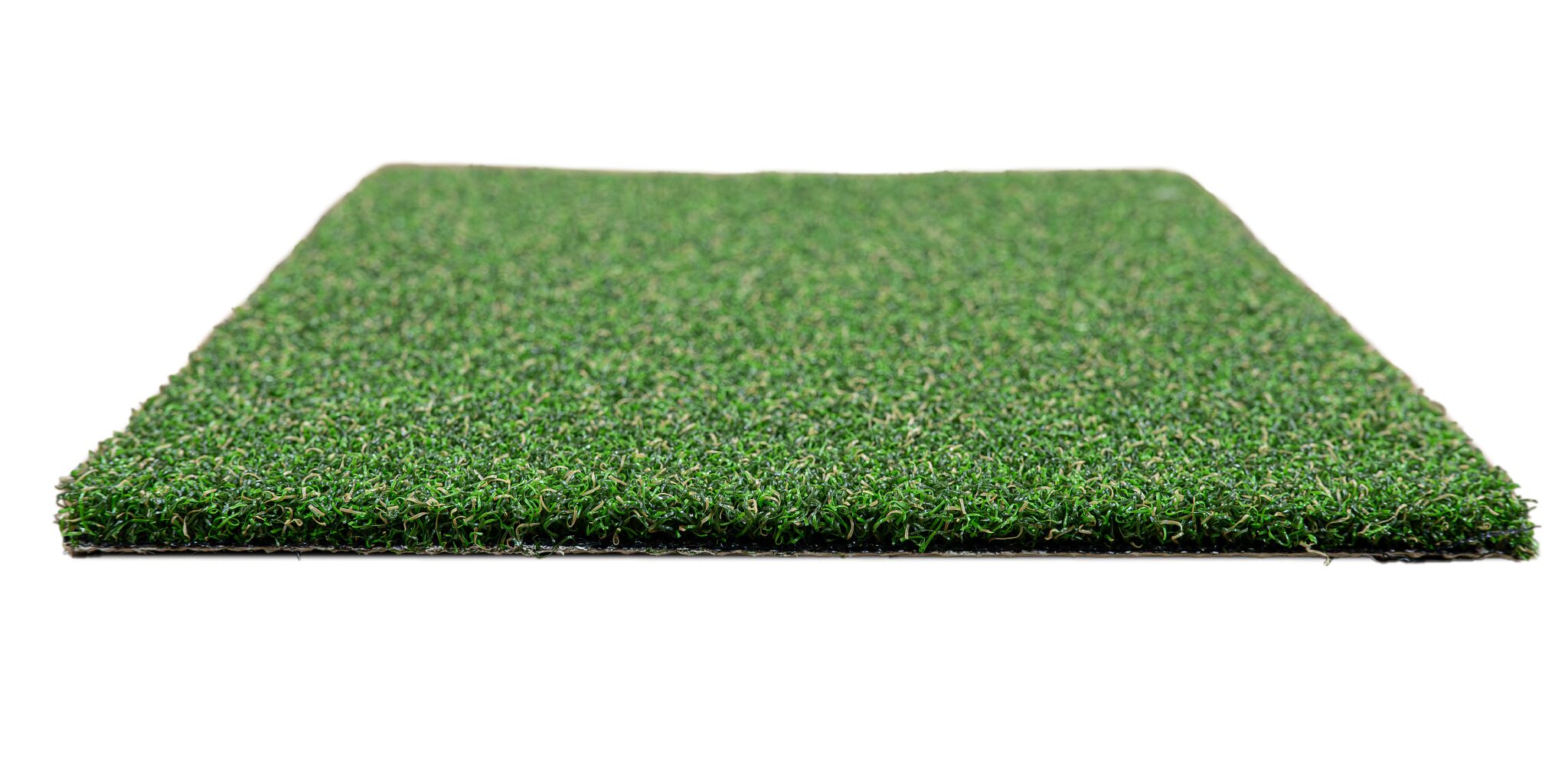
The Guide to Artificial Turf for Sports Fields
The initial price tag for a new sports field can be daunting. But focusing only on the upfront cost of a synthetic surface misses the bigger picture. A natural grass field constantly drains your budget with watering, fertilizing, and endless maintenance. You also lose revenue every time a game is rained out. When you factor in these ongoing costs and lost playing time, the value of artificial turf for sports fields becomes crystal clear. This guide breaks down the numbers, showing you how a modern turf system is a smarter long-term investment for your facility.
Key Takeaways
- Think beyond the turf itself: A high-performance field is a complete system. The base, backing, and infill are just as critical as the turf fibers for ensuring safety, proper drainage, and long-term durability.
- Calculate the long-term value, not just the upfront cost: An artificial turf field delivers a strong return on investment by eliminating major water and maintenance expenses. Its all-weather durability also means more playable hours and fewer canceled events.
- Match the product to the application: The ideal turf system varies significantly by sport, climate, and expected usage. Prioritizing the right fiber technology, infill type, and drainage capacity ensures the field performs correctly and lasts for years.
What Is Artificial Turf for Sports Fields?
When you think of artificial turf for a sports field, you might picture a simple green carpet rolled out over the ground. But a modern sports field is much more than that. It’s a complete, multi-layered system engineered for performance, safety, and durability. Unlike natural grass, which requires constant watering, mowing, and recovery time, a synthetic turf field is designed to withstand heavy use and all types of weather, season after season.
While artificial sports fields are known for being low-maintenance, they do require some care to perform their best. The main upkeep involves basic cleaning and grooming to keep the surface even and the infill properly distributed. The real magic, however, lies in how the different components work together. From the turf fibers and backing to the infill and optional shock pad, every element is chosen to create a consistent and reliable playing surface. Our SPORTMAXX® systems are built with this philosophy, ensuring every field is ready for game day. Choosing the right system means understanding what it’s made of and how it all comes together.
What Is Sports Turf Made Of?
The visible part of the turf, the blades, are typically made from one of three core materials: polyethylene, polypropylene, or nylon. Polyethylene (PE) is the most popular choice for sports fields, and for good reason. It’s exceptionally durable yet soft to the touch, which helps reduce abrasions during slides and falls. Polypropylene (PP) is a bit more rigid, often used for putting greens or as a secondary fiber to add stability. Nylon is the strongest and most resilient fiber, but its texture can be stiff, making it better suited for secondary applications like field markings. For most athletic fields, a high-quality polyethylene fiber offers the best balance of player comfort, realistic aesthetics, and long-term strength.
Breaking Down a Sports Turf System
A high-performance sports field is built from the ground up. You aren’t just choosing turf; you’re investing in an integrated system. It starts with a prepared base for drainage, followed by several key layers. An optional shock pad can be installed first to provide extra cushioning and impact absorption. Next, the turf rolls are laid out, trimmed, and seamed together to create a single, uniform surface. Finally, infill is spread evenly across the turf. This material, often made of sand or specialized rubber granules, helps support the turf blades, adds stability, and provides cushioning for athletes. Each component plays a critical role in the field’s overall performance, safety, and lifespan.
What Separates Good Sports Turf from Great?
Not all sports turf is created equal. A great system is more than just green carpet; it’s an engineered surface designed for safety, performance, and durability. It needs to withstand intense play, harsh weather, and years of foot traffic while providing a consistent and reliable experience for athletes. The best turf systems balance fiber strength, infill stability, and proper drainage to create a field that performs beautifully from day one and for years to come. Let’s look at what sets high-performance turf apart.
High-Performance Turf in Action: SPORTMAXX®
When you want to see what top-tier turf looks like, our SPORTMAXX® series is the perfect example. We designed these products to be unmatched in resilience and playability. The system starts with a specialized fiber construction that resists splitting and wear, ensuring the field stays uniform even under the most demanding conditions. This focus on durability means fewer repairs and a longer lifespan for the field. It also provides a consistent surface that athletes can trust, allowing for predictable ball roll and stable footing. For dealers and installers, offering a product line built for peak performance means more satisfied clients and a stronger reputation.
Non-Negotiable Qualities of Top-Tier Turf
Beyond a specific brand, every great sports turf system shares a few core qualities. First is durability. The turf must handle constant use without degrading. This comes from high-quality fibers and a strong backing. Next is consistent playing conditions. Unlike natural grass, which can develop divots and muddy patches, a quality turf field remains stable in any weather. This reliability is a huge advantage for schools and sports complexes. Finally, while it’s low-maintenance, it’s not no-maintenance. A great turf system is designed for simple, effective upkeep that keeps it safe and playable for its entire lifespan, making it a practical long-term solution.
Recognition by Major Sports Organizations
Artificial turf has earned its place in the world of athletics, with major sports organizations setting standards for its use. Top-tier governing bodies like FIFA and World Rugby have established rigorous certification programs, ensuring that approved synthetic fields meet strict criteria for player safety and performance. This recognition highlights how far turf technology has come, providing reliable and consistent playing surfaces for athletes at all levels. For installers and facility managers, these standards serve as a valuable benchmark, offering confidence that a certified system is built to withstand professional-level play and meet client expectations.
At the same time, the conversation around player safety is always evolving. Organizations like the NFL Players Association (NFLPA) have voiced preferences for natural grass, sparking important discussions about surface performance. This ongoing dialogue is crucial because it pushes the industry forward, driving innovation in everything from fiber technology to infill materials and shock pad integration. It underscores the importance of selecting a high-quality, engineered system designed to balance durability with player safety, ensuring the field is built for long-term, reliable performance that athletes can trust.
How to Spot a Reliable Manufacturer
Finding the right turf starts with finding the right partner. A reliable manufacturer is focused on quality and innovation, not just moving products. Look for a company that provides clear, detailed specifications for all its turf systems and can explain why certain products are right for specific applications. They should also stand behind their turf with strong warranties and excellent support. A trustworthy supplier is invested in your success. They offer resources, guidance, and a partner program that helps you grow your business. This commitment is a clear sign that you’re working with a manufacturer dedicated to quality from the factory to the field.
The Benefits of Artificial Turf for Sports Fields
Making the switch from natural grass to artificial turf is a big decision, but the benefits often speak for themselves. For schools, municipalities, and sports complexes, a turf field means more uptime, fewer maintenance headaches, and a consistently high-quality surface for athletes. While the classic charm of a grass field is undeniable, its practical limitations can create real challenges for facility managers and players alike.
Modern turf systems are engineered to solve these problems. They offer a reliable, high-performance alternative that stands up to intense use and unpredictable weather. When you invest in a quality turf system, you’re not just buying a green surface; you’re investing in more playing time, improved safety, and smarter long-term value for your facility. Let’s look at the key reasons why so many organizations are choosing turf for their sports fields.
Enjoy Consistent Performance and Durability
Natural grass fields simply can’t handle the demands of heavy, repeated use. Constant play leads to compacted soil, bare patches, and an uneven surface that can affect ball roll and player footing. A high-quality synthetic turf system, on the other hand, is built for resilience. The fibers are designed to withstand constant traffic without breaking down, ensuring the field looks and plays its best from the first game of the season to the last.
This durability means you get a predictable and uniform playing surface every single day. Athletes can count on consistent traction and a true bounce, allowing them to perform at their peak without worrying about a divot or a muddy patch. For installers and dealers, offering a product like our SPORTMAXX® series means providing a solution that delivers reliable performance and reduces client complaints about field wear and tear.
Keep the Game Going, All Year Round
One of the biggest frustrations with natural grass is its vulnerability to weather. A single downpour can turn a field into a mud pit, leading to canceled games, rescheduled practices, and a ruined playing surface that needs days to recover. This is where artificial turf truly shines. Modern turf systems are designed with sophisticated drainage capabilities that allow water to pass through the surface and backing quickly.
This means your field is ready for action almost immediately after the rain stops. No more lost revenue from canceled events or scheduling chaos for your athletic department. With a turf system featuring superior drainage like AQUAMAXX®, you can extend your playing season and maximize the use of your facility year-round. It provides a dependable surface that keeps your teams on the field, no matter what the forecast says.
A Focus on Player Safety
While debates about turf and player safety continue, a properly installed and maintained modern turf field is engineered to be a safe playing surface. The system works together, from the shock-absorbing underlayment to the consistent infill depth, to cushion falls and reduce the risk of injury. Unlike a natural grass field that can develop hard, compacted areas or hidden holes, a turf field offers a uniform surface from end zone to end zone.
This consistency is key to player safety. It allows athletes to plant, cut, and slide with confidence, knowing the surface beneath them is predictable. A well-maintained turf field provides a stable and reliable environment where players can focus on the game. By choosing from a range of high-performance turf products, you can select a system specifically designed to meet the safety and performance standards of your chosen sport.
Say Goodbye to Complicated Field Maintenance
Let’s be clear: artificial turf is low-maintenance, not no-maintenance. However, the upkeep required is a fraction of what natural grass demands. Gone are the days of daily mowing, watering, fertilizing, and painting lines. Instead, turf maintenance focuses on simple, periodic tasks like brushing the fibers to keep them upright, removing debris, and checking infill levels to ensure the surface remains safe and playable.
This streamlined routine saves an incredible amount of time, labor, and resources. You’ll see significant savings on your water bill and eliminate the need for pesticides and fertilizers. For facility managers, this means a grounds crew that can focus on other priorities. Proper installation is the first step to ensuring this long-term, low-maintenance benefit, setting your field up for years of easy care and peak performance.
Player Safety: A Balanced Look at Turf vs. Grass
The conversation around player safety is one of the most important in sports, and the playing surface is always at the center of it. You’ve likely seen headlines and heard debates, especially from professional athletes, about the differences between turf and natural grass. It’s a complex issue with valid points on both sides. The goal isn’t to declare one surface universally superior but to understand the specific risks and benefits of each. A well-engineered turf system and a perfectly manicured grass field both aim for the same thing: a safe, consistent surface for athletes. Let’s break down the data and the real-world factors that influence player safety.
The Debate Around Injury Rates
In professional sports, the statistics have fueled a passionate debate. The NFL Players Association (NFLPA) has been vocal, citing data that suggests a higher risk of certain injuries on artificial surfaces. According to their analysis, NFL players experience a 28% higher rate of non-contact lower body injuries when playing on turf compared to grass. This has led many players and coaches to advocate for natural grass fields across the league. These numbers highlight a key concern in high-level athletics, where the force and speed of play put immense stress on athletes’ bodies, and every element of the playing environment is scrutinized.
Understanding Non-Contact Injury Statistics
To put that percentage into perspective, one study looked at over 4,800 NFL injuries over a five-year period. It concluded that if all games had been played on natural grass, an estimated 300 fewer lower-body injuries would have occurred. These non-contact injuries are the ones that worry trainers the most—they happen when a player is running or changing direction without being hit. It suggests that the interaction between the player’s shoe and the playing surface is a critical factor, and that differences in surface behavior can have a measurable impact on player health at the professional level.
Why Cleat Interaction Matters
So, what causes this difference? A lot of it comes down to how cleats interact with the surface. On artificial turf, a player’s cleats can sometimes “stick” in the synthetic fibers and infill. When an athlete makes a sudden cut or pivots, that momentary grab sends a significant amount of force up through the ankle, knee, and hip. This can strain ligaments and muscles that aren’t prepared for that abrupt stop. Natural grass, in contrast, will often give way, with the sod tearing under the force, which can act as a natural release mechanism and absorb some of the impact.
Common Injuries on Playing Surfaces
When we look closer at the types of injuries, the data points to specific areas of concern. The NFLPA has reported that players have a staggering 69% higher rate of non-contact foot and ankle injuries on turf. These are the injuries that can sideline a player for weeks or even months. This is why the engineering behind modern turf systems is so important. Innovations in fiber technology, infill materials, and shock-absorbing pads are all designed to better replicate the forgiving nature of natural grass and mitigate these risks. Choosing the right sports turf system involves carefully considering these performance characteristics to create the safest possible environment.
The Risks of Poorly Maintained Natural Grass
While the data from professional sports is compelling, it’s important to remember that it compares elite turf systems to perfectly manicured, multi-million-dollar grass fields. For most schools, parks, and municipalities, that level of grass maintenance is simply not realistic. A poorly maintained grass field can be just as, if not more, dangerous than turf. Hard, compacted soil from overuse or drought, uneven surfaces, and hidden divots can cause trips, slips, and twisted ankles. This is where a high-quality turf field offers a major advantage: consistency. A well-built turf system provides a uniform, predictable surface day in and day out, removing the safety hazards that come with worn-out, neglected natural grass.
How Much Does Sports Field Turf Cost?
Let’s talk numbers. The cost of a sports field is one of the biggest factors in any project, but the final price tag involves more than just the turf itself. To get a clear picture of the investment, you need to look at the initial installation, ongoing maintenance, and the long-term value you get in return. Breaking down these costs helps you understand where your money is going and why a high-performance turf system is a smart financial decision for years to come.
Breaking Down Installation Costs
Installing a brand-new artificial turf football field can cost anywhere from $530,000 to $1,550,000. This range is wide because the final price depends on several key factors. The quality of your sports turf system, the type of infill you choose, site preparation needs, and regional labor rates all influence the total. If you’re simply resurfacing an existing field, the cost is significantly lower, typically falling between $300,000 and $600,000. From the moment construction begins, you can generally expect the entire process for a new field to take about three to six months to complete, getting your athletes back in the game on a fresh, reliable surface.
What to Budget for Annual Maintenance
While artificial turf is low-maintenance, it isn’t no-maintenance. On average, you can expect to spend around $8,000 annually to keep a standard turf football field in top condition. This budget covers essential tasks like cleaning the surface, grooming and leveling the infill, and disinfecting the field to ensure player safety. For organizations that prefer to manage upkeep in-house, the initial investment in specialized tools and equipment can range from $30,000 to $140,000. Proper installation is the first step to ensuring your field performs well and that these maintenance tasks are straightforward and effective over the life of the turf.
Turf vs. Grass: Which Offers Better Long-Term Value?
The upfront cost of artificial turf is higher than natural grass, but the long-term savings and usability tell a different story. Over a 10-year span, an artificial turf field can handle approximately 28,000 hours of use. A natural grass field, by comparison, can only sustain about 8,000 hours before it needs significant recovery time. This incredible durability means your field is always ready for practice, games, and community events. Because of the lower maintenance costs and increased availability, an artificial turf field often pays for itself in just three to five years. A natural grass field, with its constant need for water, mowing, and repairs, can take six to thirteen years to break even.
Comparing Maintenance Costs Over 10 Years
When you look at the budget over a decade, the financial advantage of artificial turf becomes undeniable. A natural grass field requires a constant and costly cycle of mowing, watering, fertilizing, and pest control, with expenses that can easily exceed $20,000 to $50,000 per year. In contrast, a synthetic turf field has a much more predictable and manageable annual upkeep cost, averaging around $8,000. This budget covers simple but essential tasks like grooming the infill and keeping the surface clean. Over ten years, that difference adds up to hundreds of thousands of dollars in savings—money that can be reallocated to other athletic programs or facility upgrades. Proper installation is the foundation for these long-term savings, ensuring your field is set up for minimal and effective maintenance from day one.
Calculating Value Based on Usable Hours
Beyond direct cost savings, the true value of an artificial turf field is measured in time. A natural grass field needs significant recovery periods between uses and is often unusable after heavy rain. Over a 10-year lifespan, this limits its availability to roughly 8,000 hours. A high-performance turf system, however, is built to endure. It can handle around 28,000 hours of use in the same period—more than three times the playing time. This means more practices, more games, and more community events without worrying about damaging the surface. For any facility, this increased availability translates directly into greater value, ensuring your investment serves your athletes and community to its fullest potential. Our SPORTMAXX® systems are engineered specifically for this kind of relentless performance.
Matching the Turf to the Sport
Choosing the right turf isn’t a one-size-fits-all decision. The ideal surface for a soccer field won’t necessarily be the best fit for a football field or a multi-use park. The sport, player age, and expected traffic all play a huge role in determining the right combination of fiber, infill, and backing. Getting this match right from the start ensures better performance, improved safety, and a longer lifespan for the field. Let’s break down what to look for based on the specific sport.
Choosing the Right Turf Fiber
The blades of artificial turf, or fibers, are typically made from polyethylene, polypropylene, or nylon. For sports applications, polyethylene (PE) is the clear winner. It’s soft enough to reduce skin abrasions during slides and falls, yet incredibly resilient and strong, allowing it to spring back into place after heavy use. This makes it perfect for high-impact sports.
You’ll also hear about monofilament and slit-film fibers. Monofilament fibers are single strands that stand up straight, mimicking natural grass. Slit-film fibers are wider and designed to split over time, creating a dense, durable surface. Our SPORTMAXX® systems use advanced PE fibers to deliver consistent performance and durability for any athletic field.
Understanding Pile Height and Face Weight
Pile height is simply the length of the turf blades, measured from the backing to the very tip. It’s a critical spec because it directly influences how the field plays and feels. For sports like football or soccer, a longer pile height, often around 2 inches, is preferred. This extra length allows the turf to hold more infill, which is essential for providing the right amount of cushioning and support for athletes. A shorter pile height might be better for sports like field hockey, where a faster, truer ball roll is necessary. The key is to choose a pile height that aligns with the performance needs of the specific sport, ensuring the field plays exactly as it should.
Next up is face weight. This number tells you the weight of the turf fibers in a square yard, not including the backing. Think of it as a measure of density. A higher face weight means more yarn is used, creating a lusher, more durable surface that can better withstand constant foot traffic. For high-use sports fields, a higher face weight is a non-negotiable for longevity and resilience. It’s one of the best indicators of a turf’s quality. When you’re looking at different sports turf systems, paying attention to the face weight helps you choose a product that will perform well for years, reducing wear and tear and keeping athletes safe.
Turf Requirements for Football Fields
Football is a demanding sport that puts incredible stress on a playing surface. The field needs to withstand constant, high-impact traffic from cleats, tackles, and drills without showing wear. This is where a durable turf system shines. Modern synthetic turf provides a consistent, reliable surface that holds up in any weather, eliminating canceled games due to muddy or frozen fields. A well-designed football field requires a tough fiber, a stable infill system for shock absorption, and a backing that can handle the force. The result is a field that’s always ready for game day, with significantly less maintenance than natural grass. You can see some great examples in our project gallery.
Turf Specifications for Soccer Fields
Soccer is all about ball control and player movement, so the turf needs to support that. The ideal soccer turf allows the ball to roll and bounce just like it would on pristine natural grass. This is why monofilament fibers are the top choice for soccer fields. Their individual blades stand upright, providing a true, predictable ball roll that players can rely on. This design also gives players stable footing for quick cuts and sprints. A surface that’s too fast or too slow can completely change the game, so selecting a turf system engineered for soccer performance is key to creating a high-quality pitch.
Designing a Multi-Sport Field
What if your field needs to host football on Friday, soccer on Saturday, and lacrosse during the week? For multi-purpose fields, you need a versatile solution. This is where dual-fiber or hybrid turf systems come in. These systems combine the soft, natural feel of monofilament fibers with the rugged durability of slit-film fibers. This blend creates a surface that’s tough enough for high-impact sports while still offering great playability for sports that require precise ball roll. It’s a practical and effective choice for schools, parks, and community centers that need one field to do it all. We work with our dealer partners to specify the perfect system for these demanding applications.
Your Pre-Purchase Checklist for Sports Turf
Selecting the right sports turf goes beyond just picking a product that looks good. A high-performing field is a complete system where every component works together. From the local climate to the type of infill you choose, each decision impacts the field’s playability, safety, and lifespan. Thinking through these factors upfront helps you build a field that stands up to intense use and keeps athletes performing at their best. It also means fewer callbacks and more satisfied clients for your business. Let’s walk through the four most critical elements to get right.
Managing Climate and Heat
One of the first questions clients ask is about heat, especially in sunny climates. While it’s true that synthetic turf can get warm in direct sunlight, modern turf technology has come a long way. Innovations in fiber shape, color, and polymer additives are designed to reduce heat absorption and retention. For example, our HEATMAXX® SOFT series is engineered with heat-reflective technology to keep the surface cooler. The choice of infill also plays a significant role in managing temperature. Lighter-colored and organic infills tend to retain less heat than traditional black crumb rubber. Proper product selection is your first line of defense against a hot field.
Planning for Foot Traffic and Usage
A sports field is built to be used, but not all use is created equal. A multi-sport community field will have different wear patterns than a dedicated football stadium. Before selecting a product, you need a clear picture of the expected foot traffic. Consider the sports that will be played, the frequency of games and practices, and which areas will see the most action, like goalmouths or sidelines. For high-use environments, you’ll want a turf with a durable fiber, high face weight, and resilient construction. Our SPORTMAXX® line is specifically designed to withstand the demands of competitive athletics and continuous play.
Designing for Proper Drainage
A waterlogged field is an unplayable field. Proper drainage is non-negotiable for ensuring your turf is ready for action, rain or shine. The turf itself is only part of the equation; the real work happens in the sub-base preparation. A well-designed base allows water to move efficiently away from the surface, preventing puddles and maintaining a stable, safe playing ground. Turf products with high-permeability backings are essential. Our AQUAMAXX® turf systems feature a proprietary backing that allows for maximum drainage, making them ideal for rainy climates or areas near pools. A solid drainage plan protects the entire investment.
Selecting the Right Infill
Infill is the granular material spread between the turf fibers, and it’s one of the most important components of the system. It provides ballast to hold the turf down, supports the fibers to keep them upright, and creates the right level of shock absorption for player safety. The type and amount of infill affect everything from ball roll to foot stability. Common options include silica sand, crumb rubber, and coated sand like Envirofill. Choosing the right infill and accessories depends on the sport, budget, and performance goals. Remember that proper installation with specialized equipment is key to ensuring the infill is evenly distributed for a consistent and safe surface.
Common Sports Turf Myths, Busted
When you’re talking with clients, you’ve probably heard it all. Misconceptions about artificial turf can sometimes stand in the way of a great project. Let’s clear the air on a few of the most common myths. Having straightforward, honest answers will help you guide your customers toward the best decision for their field, building trust and confidence along the way. Here’s a look at the facts behind the fiction.
Myth: Turf Isn’t Safe or Eco-Friendly
One of the biggest myths is that artificial turf is unsafe for players. The reality is that injuries can happen on any playing surface, whether it’s natural grass or synthetic turf. Modern sports turf systems are engineered with safety as a top priority, often incorporating shock-absorbing pads and consistent infill levels to cushion falls and reduce impact. When you consider the environmental angle, turf offers major benefits. It eliminates the need for the constant watering, pesticides, and fertilizers required to keep a natural grass field playable. This makes high-performance turf like our SPORTMAXX® series a responsible choice for both athletes and the environment.
Addressing Chemical Concerns (PFAS)
You’ve likely seen headlines about “forever chemicals,” or PFAS, in artificial turf, and it’s a valid concern. Much of this conversation stems from research on older turf systems, particularly those using crumb rubber infill made from recycled tires. Studies have shown that some of these materials can contain compounds that raise health and environmental questions. This is why it’s so important to understand that not all turf systems are created equal. The technology and materials used in today’s high-quality turf are vastly different from those used decades ago, with a much greater focus on safety and material transparency.
Choosing a modern turf system from a reputable manufacturer is the best way to address these concerns. The focus has shifted toward using cleaner, more advanced components for every part of the field, from the fibers down to the base. This is especially true for the infill. Today, there are many excellent safer infill options available that move away from traditional crumb rubber. Materials like coated sand and other specially engineered granules are designed to provide excellent performance and shock absorption without the associated chemical worries. When speaking with clients, being able to point to specific, modern materials provides the confidence and peace of mind they’re looking for.
Myth: Artificial Turf Gets Dangerously Hot
Let’s be direct: artificial turf can get warmer than natural grass in direct sunlight. However, the idea that it becomes unbearably hot is based on outdated products. Turf technology has come a long way. Today’s premium turf systems are designed to stay cooler and more comfortable, even on sunny days. We use advanced fiber technology and specialized infill that reflect solar rays instead of absorbing them. For projects in particularly warm climates, you can confidently recommend a product like HEATMAXX® SOFT, which is specifically engineered to reduce surface temperatures and keep the field ready for play.
Myth: Turf Performs Poorly and Is Hard to Maintain
The term “no maintenance” is a myth. The correct term is “low maintenance,” and it’s an important distinction to make with your clients. While turf fields don’t need mowing, watering, or fertilizing, they do require some simple upkeep to perform their best and last for years. This typically involves brushing the fibers periodically to keep them upright, removing leaves and debris, and checking infill levels in high-traffic areas. A consistent, basic maintenance plan ensures the field remains safe, playable, and looking great. Following a proper installation and care guide is the key to protecting the investment and maximizing its lifespan.
Myth: The Upfront Cost Isn’t Worth It
The upfront cost of a turf field is higher than seeding a grass field, and that initial number can sometimes cause hesitation. But the story doesn’t end there. It’s crucial to frame the conversation around the total cost of ownership. Over its lifespan, an artificial turf field is often two to three times more economical than natural grass. Think of the massive savings from eliminating water bills, lawnmowers, fuel, fertilizers, and weekly labor. Plus, a turf field offers far more usable hours. It’s always ready for games and practices, rain or shine, which provides incredible value for schools and sports programs. It’s not just a purchase; it’s a long-term investment in performance and availability.
Your Guide to Turf Installation and Care
Choosing the right turf system is the first step. The next, and just as important, is ensuring it’s installed correctly and cared for properly. A professional installation creates the foundation for years of reliable performance, while a consistent maintenance routine protects your investment and keeps your field in top shape. Think of it this way: the turf system provides the potential, but the
Once the field is ready for play, a simple care plan ensures it remains a safe, high-performing asset for your athletes and your organization. This isn’t about endless, costly upkeep. It’s about smart, proactive steps that extend the life of your field and maintain the qualities you chose it for in the first place. From the initial groundwork to routine grooming, every step is designed to maximize durability, playability, and aesthetic appeal. We’ll walk through what a quality installation looks like and how to create a maintenance plan that works for you.
The Installation Process, Step by Step
A successful turf installation is a systematic process that starts from the ground up. First, the site is prepared, which involves excavating the area and establishing a stable, permeable base, usually with layers of crushed stone. This foundation is critical for drainage and surface stability. Next, the artificial turf rolls are laid out across the field, carefully positioned, and trimmed to fit perfectly. The most crucial part of this stage is creating strong, invisible seams where the rolls meet. Proper installation ensures the entire field functions as a single, cohesive surface. Finally, infill is evenly distributed across the turf and brushed into the fibers, providing cushioning, stability, and the right level of performance.
Creating a Simple Maintenance Plan
While artificial turf fields require significantly less work than natural grass, they aren’t completely maintenance-free. A simple, consistent plan is all you need to protect your investment. The core of your routine should be regular grooming or brushing. This keeps the turf fibers standing upright, ensures the infill is evenly distributed, and helps the field look its best. Your plan should also include periodic removal of debris like leaves, dirt, and litter. Over time, you may also need to replenish infill in high-traffic areas. This basic upkeep is fundamental to preserving the field’s safety, playability, and lifespan. You can find replacement infill and accessories to keep your field in optimal condition.
How to Keep Your Field Safe and Playable
Proactive care is the key to a field that’s always ready for game day. Start by walking the field weekly to perform a visual inspection. Look for any potential hazards, such as debris, low infill levels, or any seams that may be lifting. Addressing these small issues immediately prevents them from becoming larger problems that could create a tripping hazard. Regular brushing does more than just improve the field’s appearance; it also helps maintain uniform infill levels, which is essential for consistent footing and ball performance. For a high-performance system like SPORTMAXX®, this routine care ensures the turf continues to deliver the safety and playability athletes depend on.
What’s New in Sports Turf Technology?
The world of artificial turf is constantly evolving, with new technologies making synthetic grass more realistic, durable, and safer than ever. These advancements aren’t just about aesthetics; they’re about creating high-performance systems that meet the demands of modern athletics. From the individual fibers to the infill between them, every component is being re-engineered for better playability, longevity, and environmental responsibility. Let’s look at some of the most exciting developments changing the game.
Smarter, Stronger Turf Fibers
The actual blades of turf have come a long way. Early turf fibers were often stiff and abrasive, but today’s innovations focus on player comfort and resilience. Manufacturers now use advanced polymers and unique cross-section shapes (like spine or diamond shapes) to create fibers that stand upright longer, resist splitting, and feel softer to the touch. This means better ball roll, less skin irritation for players, and a field that looks lush for years. High-performance products like our SPORTMAXX® series showcase these next-generation fibers, giving you a durable surface that can handle intense, daily use without losing its integrity.
Improving Safety with Advanced Shock Pads
Player safety is a top priority, and much of that comes down to what’s underneath the turf. Modern synthetic turf systems now frequently include advanced shock pads or underlayments. These components are engineered to provide consistent shock absorption across the entire field, helping to reduce the risk of injuries from falls and tackles. Unlike a simple layer of crushed stone, these shock absorption systems are designed to meet specific safety standards (like G-max ratings) from day one and maintain that performance over time. This technology gives athletes, parents, and facility managers peace of mind, knowing the playing surface is built with safety at its core.
Smarter UV Resistance and Drainage
A great sports field needs to withstand the elements, and new technologies are making turf more resilient than ever. To combat sun damage, manufacturers are integrating powerful UV inhibitors directly into the turf fibers. This process helps prevent the turf from fading, drying out, or becoming brittle, even in harsh, sunny climates. At the same time, new drainage technologies are improving performance after a storm. Permeable backings, like those found in our AQUAMAXX® turf systems, allow water to pass through quickly, so fields are ready for play almost immediately after heavy rain. This means fewer canceled games and more reliable field access.
Modern Infill and Eco-Friendly Options
The conversation around infill has changed dramatically. While crumb rubber was once the standard, today’s market is full of innovative and eco-friendly alternatives. You can now choose from a variety of infill and accessories, including coated sand, which is clean and low-maintenance, or organic options like cork and coconut fiber. These modern infills are designed to reduce surface temperatures, minimize odor, and provide a safe, consistent playing surface. They also address environmental concerns by using sustainable or recyclable materials, proving that you don’t have to choose between high performance and responsible design. These options give you the ability to tailor a field system to your specific climate and community values.
Planning Your Sports Field Project
A new sports field is a major undertaking, and a successful outcome depends on a solid plan. Before you even think about breaking ground, it’s important to map out the entire project from start to finish. This means defining your goals clearly. Are you building a dedicated football stadium or a multi-sport community hub? Answering this question will guide every decision that follows, from product selection to site preparation. A well-structured plan also involves creating a realistic budget that accounts for everything—not just the turf, but also the base work, drainage, infill, and labor. Finally, establishing a clear timeline helps keep everyone on the same page and ensures the project moves forward efficiently.
Think of this planning phase as the foundation of your investment. A thoughtful approach minimizes surprises, prevents costly mistakes, and ensures the final result meets the needs of your athletes and community. When you invest in a quality turf system, you’re investing in more playing time, improved safety, and smarter long-term value for your facility. Taking the time to plan properly ensures that investment pays off for years to come. We work closely with our dealer partners to provide the specifications and support needed to build a project plan you can count on.
Securing Funding and Grants
For many schools, parks, and community organizations, the biggest hurdle to a new sports field is the initial cost. The good news is that you don’t have to go it alone. There are numerous avenues for securing the necessary capital, but it starts with building a compelling case. Look for funding opportunities, grants, or partnerships with local organizations that support community sports and recreation. When you present your project, frame it as a long-term community asset, not just an expense. Highlight the fact that a turf field often pays for itself in just three to five years thanks to massive savings on water and maintenance.
Your proposal should emphasize the incredible return on investment. Explain how a durable SPORTMAXX® field provides thousands more usable hours than natural grass, meaning more opportunities for kids and adults to play. By focusing on the long-term financial benefits and the positive impact on community health and engagement, you can create a powerful argument that makes your project an attractive investment for grant committees and local sponsors.
How to Choose the Right Turf Partner
Selecting the right turf is only half the equation. The supplier you choose can make or break your project’s success. A great partner provides more than just quality products; they offer clear guidance, reliable support, and the expertise to help you avoid costly mistakes. They act as an extension of your team, dedicated to ensuring your field performs beautifully for years. Here’s how to identify a supplier you can count on.
How to Read and Compare Product Specs
A high-performance sports field is a complete system, so you need to understand every component. A reliable supplier will provide detailed specifications for the turf fibers, backing, and recommended infill. Pay close attention to details like pile height, face weight, and material composition. This information helps you accurately compare different sports turf products and choose a system built for the demands of your sport and climate. A transparent partner makes these specs easy to find and understand, so you know exactly what you’re installing.
Understanding Warranty Coverage
A warranty is more than just a document; it’s the manufacturer’s promise that their product will perform as expected. When you’re investing in a sports field, the warranty is your assurance that the turf will stand up to UV rays, heavy foot traffic, and the test of time. A strong warranty is a clear sign of a reliable manufacturer who is confident in their materials and production process. However, it’s crucial to read the fine print. Most warranties cover manufacturing defects but won’t cover issues caused by improper installation, poor maintenance, or vandalism. This is why professional installation is so important; it not only ensures the field performs correctly but also protects the long-term value of the warranty itself.
How to Get Quotes and Samples
Never commit to a turf system sight unseen. Before deciding, always request samples. Holding the turf in your hands lets you feel the fiber texture, check the backing’s durability, and see the color in natural light. This step is critical for ensuring the quality meets your standards. When you request a quote, it should be clear and itemized, breaking down costs for the turf and any necessary infill and accessories. A trustworthy partner will be upfront about pricing and happy to provide samples so you can make an informed choice.
The Importance of Multiple Bids
When you’re ready to move forward with a sports field project, gathering multiple bids is a non-negotiable step. This isn’t just about shopping for the lowest price; it’s about making a well-rounded decision. Each bid gives you a window into a contractor’s approach, the quality of materials they recommend, and their understanding of your project’s specific needs. One proposal might specify a high-performance system designed for heavy use, while another might offer a more budget-friendly option. Comparing these bids side-by-side allows you to weigh the upfront cost against long-term value and durability. A thorough, detailed bid is also a great indicator of a professional and experienced installer, giving you confidence that you’re choosing a partner who will get the job done right.
What to Look for in a Dealer and Installer
Your supplier’s expertise is one of your greatest assets. A true partner does more than sell turf; they provide practical guidance that helps your projects succeed. Look for a company that supports a network of experienced professionals and offers clear installation resources. Engaging with experts early helps you select the right system and plan correctly, preventing issues down the line. When your supplier invests in your success, you can confidently install their products, knowing you have a team of experts behind you. This is why finding a strong dealer partner is so important.
Related Articles
- Best Quality Artificial Turf: A Buyer’s Guide
- How to Choose the Best Synthetic Turf Products
- Categories – Go Green Synthetic Turf
- DIY Synthetic Turf Installation: A 6-Step Guide
Frequently Asked Questions
How long does a sports turf field actually last? A high-quality, well-maintained sports field typically has a lifespan of about 8 to 10 years, and sometimes even longer. The exact longevity depends heavily on the quality of the installation, the amount of foot traffic it receives, and how consistently it’s cared for. Unlike natural grass that wears down with every game, a modern turf system is engineered from the start to handle thousands of hours of intense play.
What does “low-maintenance” for a sports field actually involve? Low-maintenance means you can say goodbye to the daily grind of mowing, watering, and fertilizing. Instead, your focus shifts to simple, periodic tasks. The most important job is regularly brushing the field to keep the fibers upright and the infill evenly distributed. You’ll also need to clear away leaves or debris and occasionally check infill levels in high-use spots, like in front of a soccer goal. It’s a straightforward routine that protects the field’s safety and performance.
My field is in a hot, sunny climate. How do I keep the turf from getting too hot? This is a common concern, but modern turf technology offers great solutions. The key is to choose a system designed to manage heat. Look for turf with advanced fibers that have heat-reflective properties, which helps the surface stay cooler. The type of infill you select also makes a big difference; lighter-colored or specialized coated sand infills retain less heat than traditional black crumb rubber. It’s a problem that can be solved with smart product choices from the beginning.
Is there really a big difference between turf for football and turf for soccer? Yes, the ideal turf is tailored to the sport. For a high-impact sport like football, you need maximum durability, so a system with tough, slit-film fibers is often a great choice. Soccer, on the other hand, is all about predictable ball roll and stable footing. For that, monofilament fibers that stand up straight like natural grass are usually preferred. If a field needs to host both sports, a hybrid system combining both fiber types offers a versatile solution.
What’s the most critical part of the installation process to get right? Without a doubt, the base preparation is the most important step. A properly excavated and layered base of crushed stone is what ensures the field has excellent drainage and remains stable for its entire life. If the base isn’t done right, you can end up with puddles, an uneven surface, and other issues down the road. A solid foundation is what makes the entire investment in a high-performance turf system pay off.
Leave a Reply