


Professional Artificial Turf Installation
Connect with certified artificial turf installers in your area. From residential lawns to commercial properties, Go Green matches you with experienced professionals who deliver expert synthetic turf installation near me results every time.
Why Proper Turf Installation Matters
A great turf product only performs as well as the synthetic turf installation behind it, especially when you need a synthetic grass installer near me who understands local soil, heat, drainage, and project requirements. Base prep, drainage slope, seam placement, infill type, and securing method all directly affect how the finished surface looks, drains, and holds up over time. That’s why Go Green works exclusively with experienced certified installer partners who know the product, understand the variables, and take callbacks seriously.
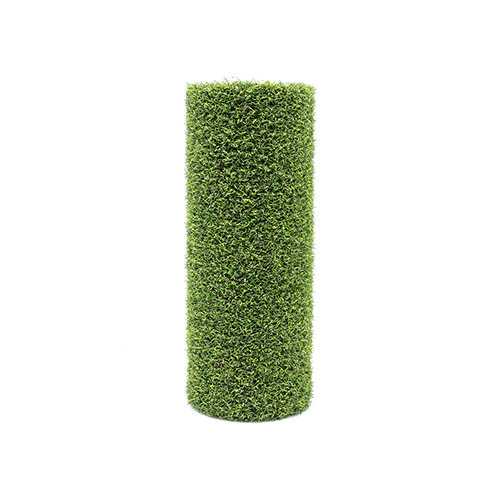
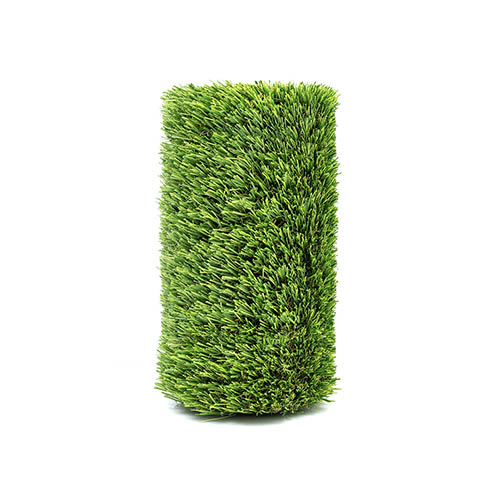
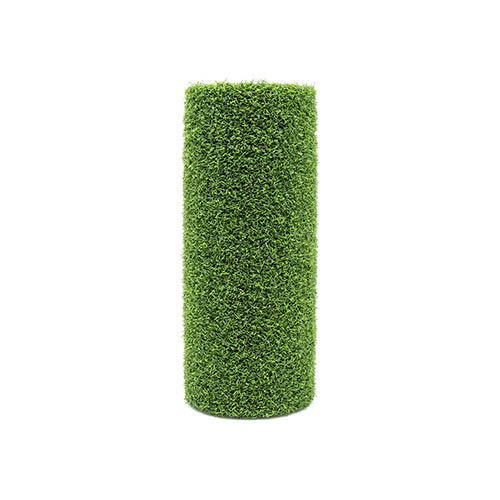
Whether you’re outfitting a backyard, a pet run, a pool deck, or a commercial property — from artificial turf in Las Vegas to projects nationwide — the right installation partner near me makes the difference between a job that generates referrals and one that generates headaches. Not sure which turf system fits your project before you connect with an installer? Browse the full product lineup to compare specs, drainage ratings, and pile heights — or check out real completed installs in our gallery to see finished results across different applications, including sports and putting green installations.
What Goes Into a Professional Artificial Turf Installation
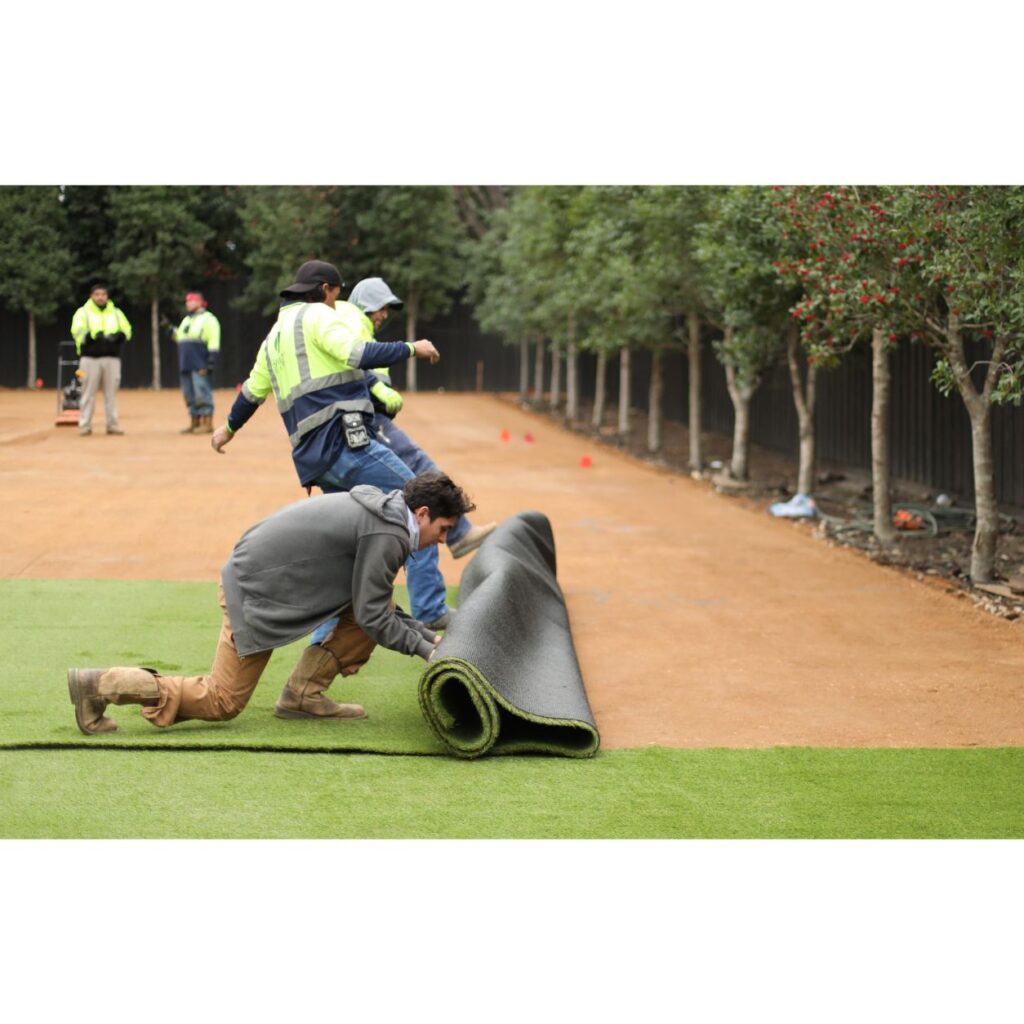
Every artificial turf installation follows a proven sequence of steps that ensures the surface drains properly, lays flat, and holds up for years. Here’s what a certified installer handles from start to finish:
1. Site Assessment and Measurement
Before any materials arrive, the installer surveys the area for grade, drainage direction, irrigation lines, and underground utilities. Accurate measurements determine how much turf, base material, and infill are needed — reducing waste and avoiding mid-project delays.
2. Excavation and Base Preparation
The existing grass, soil, or hardscape is removed to a depth of 3–4 inches. A compacted base layer of decomposed granite or crushed miscellaneous base (CMB) is graded to a consistent slope of 1–2% for drainage. This is the most critical phase of any artificial grass installation: an uneven or poorly compacted base leads to wrinkles, low spots, and standing water.
3. Weed Barrier and Edging
A commercial-grade weed barrier fabric is laid over the compacted base to prevent growth from below. Bender board, concrete, or steel edging is installed along the perimeter to create a clean border and anchor the turf edges.
4. Turf Layout and Seaming
Rolls are positioned with pile direction aligned for a uniform look. Where multiple pieces meet, seams are glued with outdoor adhesive and secured with seaming tape — done correctly, seams are virtually invisible. Go Green turf products feature consistent pile direction and color that make seaming straightforward for experienced crews.
5. Infill Application
Infill — typically silica sand, coated sand, or a specialized blend like HEATMAXX® SOFT — is spread evenly and brushed into the fibers. Infill adds ballast, supports blade recovery, and improves drainage. The type and amount depend on the turf product and application (pet-friendly turf areas, putting greens, and play zones each require different infill specs).
6. Final Grooming and Inspection
The installer power-brushes the entire surface to stand fibers upright, checks seam integrity, confirms drainage flow, and inspects edges for secure fastening. A walkthrough with the homeowner or property manager covers care instructions, infill maintenance, and warranty details.
Popular artificial turf service areas: Go Green supports heat-prone projects through certified installers and dealer partners, including artificial turf in Dallas and artificial turf in Los Angeles.
Why Choose Our Partners?
- Local Experts You Can Trust: We partner with top-rated turf installers in your area, ensuring a flawless installation.
- Simplified Process: Share your project details, and we’ll handle the rest—making turf installation hassle-free.
- Residential & Commercial Solutions: From backyards to golf courses, we have the right solution for every project.
How It Works:
- Tell Us About Your Project: Fill out a short form with your project details.
- We’ll Connect You with a Trusted Installer: We’ll coordinate with local experts for your installation.
- Enjoy Your New Turf: The installer manages everything from delivery to completion.
Ready to Get Started?
Tell us about your project and we’ll connect you with a certified installer in your area.
Frequently Asked Questions About Artificial Turf Installation
How much does artificial turf installation cost?
Most residential artificial turf installations cost between $8 and $14 per square foot, including materials and labor. The total artificial turf installation cost depends on area size, base condition, turf product selected, and regional labor rates. Request a free quote for a detailed estimate specific to your project.
What base preparation is required before installing artificial turf?
Proper base prep involves removing existing vegetation and soil to a depth of 3–4 inches, then laying and compacting a layer of crushed rock or decomposed granite graded at a 1–2% slope for drainage. This compacted base prevents shifting, settling, and water pooling — it’s the most important factor in a long-lasting installation.
Does artificial turf drain properly in heavy rain?
Yes. Quality artificial turf products, including Go Green’s full lineup and AQUAMAXX drainage-optimized turf, feature perforated backing that drains at 30+ inches per hour — far faster than natural grass. When installed over a properly graded base, water flows through the turf and base layer without pooling, even during heavy downpours.
How are seams handled during artificial turf installation?
Seams are joined using outdoor-rated adhesive and seaming tape applied to the turf backing. Experienced installers align pile direction and color across rolls so seams are virtually invisible. Poor seaming is one of the most common issues with DIY or inexperienced installs, which is why Go Green recommends working with certified installation partners.
Can I install artificial turf myself, or should I hire a professional?
Small, flat areas (under 200 sq ft) with good drainage may be suitable for a confident DIYer. However, larger projects, slopes, areas with poor drainage, or pet-specific installations benefit significantly from a professional synthetic grass installer near me. Improper base prep and seaming are the top causes of premature turf failure — and they’re difficult to fix after the fact.
How long does a typical artificial turf installation take?
Most residential installations are completed in 1–3 days, depending on area size and site conditions. A small backyard (under 500 sq ft) with clean access often takes a single day. Larger or more complex projects — slopes, multiple zones, or commercial properties — typically require 2–5 days including base preparation and curing time.