

Nylon Turf: The Ultimate Installer’s Guide
Some projects demand more than just a pretty lawn. They require a high-performance surface that can withstand serious wear and tear. Think of a rooftop terrace under intense sun, an indoor training facility with constant foot traffic, or a backyard putting green that needs a perfectly true roll. In these tough spots, standard turf materials quickly fail, leading to matting and melting. This is exactly where nylon turf excels. Its unique molecular structure gives it incredible strength and memory, allowing it to bounce back from pressure. We’ll cover what makes nylon different and the specific applications where its durability makes it the smartest choice.
Key Takeaways
- Choose nylon for demanding jobs: Its unmatched strength and resilience make it the best material for high-traffic commercial areas, athletic fields, and putting greens that require consistent performance and durability.
- Look beyond the turf fibers: A successful installation depends on the complete system, including a solid base for drainage, the correct infill for performance, and professional techniques to ensure longevity.
- Manage the trade-offs with clients: Be upfront about nylon’s higher initial cost and firmer texture. You can address heat concerns by selecting specialized turf systems and the right infill, ensuring the final product meets project needs.
Nylon vs. Other Turf: What’s the Real Difference?
When you’re choosing an artificial turf, the type of fiber it’s made from is one of the most important factors. The three main players in the synthetic turf world are nylon, polyethylene, and polypropylene. While they might look similar at a glance, their performance characteristics are worlds apart. Understanding these differences is key to selecting the right product for a project, ensuring it not only looks great on day one but also holds up to its intended use for years to come. Let’s break down how nylon stacks up against the other common synthetics.
Nylon vs. Polyethylene: A Head-to-Head Comparison
Polyethylene is a popular choice for landscape turf because of its soft feel and realistic look. However, when it comes to performance and resilience, nylon often has the edge. This is especially true for athletic applications like putting greens. For golfers, consistency is everything. Nylon Greens provide a consistent ball speed and a true roll, closely mimicking the behavior of a natural grass green. While polyethylene is a great all-around option for yards, nylon’s superior memory and strength mean it resists crushing and matting better, making it the go-to for applications that demand consistent surface performance.
Nylon vs. Polypropylene: A Head-to-Head Comparison
Polypropylene is generally a more budget-friendly fiber, but that lower cost comes with significant trade-offs in performance, especially when compared to nylon. For applications like putting greens, the difference is night and day. Polypropylene fibers can lead to inconsistent ball rolls, with noticeable wobbling that can frustrate even casual players. For installers, recommending nylon for these projects means fewer complaints and more satisfied clients who get the professional-grade performance they expect.
What’s So Special About Nylon Fibers?
So, what gives nylon its performance advantage? It comes down to the molecular structure of the fiber itself. Nylon is incredibly strong, resilient, and resistant to abrasion. It has excellent “memory,” meaning the fibers bounce back to their original shape after being stepped on. This makes it a top choice for high-traffic areas where other fibers would quickly show signs of wear. As Realturf USA points out, nylon delivers exceptional strength and temperature resistance, making it ideal for demanding environments like rooftop decks and commercial patios. This unique combination of durability and resilience is what sets nylon turf apart from other synthetics.
Why Do Installers Recommend Nylon Turf?
When a project demands the highest level of performance, nylon turf is often the answer. For professional installers, choosing nylon means fewer callbacks and more satisfied clients because its unique properties solve some of the toughest challenges in the field. Its incredible strength and memory retention make it a reliable choice for applications where other synthetic fibers might fall short. From high-impact sports fields to sun-drenched rooftops, nylon delivers a premium, long-lasting surface that you can stand behind.
Enjoy Unmatched Durability and Resilience
Nylon fibers are known for their exceptional strength and ability to bounce back. This structural memory means the blades resist crushing and matting, even under constant pressure from foot traffic or heavy furniture. For installers, this translates to a finished project that maintains its lush, upright appearance for years. Unlike softer materials that can flatten over time, nylon’s resilience ensures a long-lasting, high-quality look. This durability makes it a smart investment for clients and a dependable product for your portfolio of turf systems.
Handles Extreme Sun and Temperatures
One of nylon’s standout features is its high melting point and excellent temperature resistance. While other synthetic grasses can become compromised in intense heat, nylon fibers hold their shape and integrity. This makes nylon an ideal solution for rooftop decks, poolside areas, and projects in hot, sunny climates where surface temperatures can soar. By choosing a turf that can handle the heat, you can confidently install a surface that won’t degrade or melt under the summer sun, ensuring the longevity of your work.
Stands Strong in High-Traffic Areas
Nylon is engineered to withstand constant wear and abrasion, making it the top choice for high-impact applications. Think commercial common areas, playgrounds, and sports training facilities. Its tough fibers are designed to resist scraping and flattening far better than standard artificial grass. When you install nylon in a high-traffic zone, you’re providing a surface that can handle the daily grind without showing premature signs of wear.
Get Realistic Athletic Performance
For sports applications, especially golf, nylon’s performance is hard to beat. Its firm, resilient texture allows it to mimic the feel and playability of a natural grass green. Nylon putting greens provide a consistent ball speed and a true, predictable roll, which is exactly what golfers want for practice. The fibers are strong enough to accept shots from a distance without being damaged. This realistic performance makes nylon the professional standard for everything from backyard putting greens to commercial sports turf installations.
Addressing Player Safety Concerns in Sports Turf
When you’re installing an athletic surface, performance is about more than just ball roll and durability—it’s also about player safety. The conversation around how artificial turf impacts athletes is an important one, and it’s something every installer should be prepared to discuss with clients. While the debate between turf and natural grass continues, the technology behind synthetic turf systems has advanced significantly. Modern turf is engineered as a complete system, where the fibers, infill, and base work together to create a surface that is both high-performing and designed to mitigate risk.
The Debate on Athletic Injuries
It’s important to acknowledge the concerns backed by research. Some studies have pointed to a greater risk for certain injuries on artificial turf. For example, data collected by the NFL Players Association showed that players had a 28% higher rate of non-contact lower extremity injuries on turf compared to grass between 2012 and 2018. Other analyses have noted higher instances of foot and ankle injuries in sports like soccer. These statistics are a critical part of the conversation, as they highlight the need for high-quality, well-designed turf systems that prioritize athlete well-being and address the mechanical differences between synthetic and natural playing surfaces.
How Modern Turf Systems Mitigate Risk
The good news is that today’s turf is not the abrasive, unforgiving carpet of the past. Modern athletic turf systems are engineered to enhance player safety. Innovations in shock absorption, thanks to specialized pads and performance infills, help reduce the impact forces on an athlete’s joints. The choice of fiber also plays a huge role. Strong, resilient nylon fibers maintain their structure under heavy use, providing a consistent and stable surface that reduces unpredictable footing. As experts point out, a well-designed system with proper drainage and high-quality materials can create a safer playing environment that stands up to the demands of high-performance sports.
Is Nylon Turf Right for You? What to Consider
Nylon is a powerhouse in the turf world, but no single product is the perfect fit for every single project. Being a true pro means knowing the potential downsides so you can guide your clients to the best possible solution and set clear expectations from the start. Thinking through these factors beforehand ensures a smooth installation and a happy customer for years to come. Let’s walk through the main considerations to keep in mind when you’re thinking about using nylon turf.
What’s the Real Cost of Nylon Turf?
Nylon turf generally comes with a higher price tag than polyethylene or polypropylene alternatives. Its advanced manufacturing process and premium raw materials create exceptional strength and resilience, but they also raise the initial cost. Although synthetic turf can offer long‑term savings compared to natural grass, the upfront investment can be a deciding factor. For clients with tighter budgets or applications where nylon’s extreme durability isn’t a must-have, exploring more budget-friendly options from our Value Series might be a better starting point.
Breaking Down the Price Per Square Foot
Let’s talk numbers. When you’re looking at the material cost, nylon turf typically falls in the premium range, and often costs between $5 and $6 per square foot. To put that in perspective, the general market for artificial turf materials can range anywhere from about $1.90 to $6.75 per square foot, depending on the type and quality. This places nylon squarely at the higher end of the spectrum. It’s important to remember that this price is just for the turf itself. The total project cost will also include base preparation, infill, and labor, which are all critical components of a successful installation. Understanding this breakdown helps you explain the value of a high-performance material like nylon to your clients, justifying the investment for projects that demand its superior durability.
Does It Get Hot in the Sun?
One of the most common concerns with any synthetic turf is how hot it gets, and nylon fibers can retain more heat than other materials. In sunny, hot climates, the surface temperature can become uncomfortable, especially for pets and bare feet. This is a critical point to discuss with clients whose projects involve direct, intense sun exposure. The good news is that you can manage this with the right system. Pairing the turf with a quality, light-colored infill can make a big difference. You can also specify turf systems built to stay cooler, which use specialized technology to reduce surface temperatures. For projects that need a specific fire-rated nylon option, consider HEATMAXX® SOFT 47 nylon turf.
How Does It Feel Underfoot?
The same stiffness that makes nylon fibers spring back under heavy foot traffic also gives the turf a firmer, more textured feel. Compared to the softer touch of some polyethylene products, nylon can feel more abrasive. This isn’t necessarily a negative; for many athletic applications, this texture provides excellent traction and a consistent playing surface. However, it might not be the ideal choice for a backyard where kids will be playing or for a residential client who wants a lush, soft lawn for lounging. It’s all about matching the material’s characteristics to the project’s primary use.
What to Know About Its Environmental Impact
It’s a common misconception that all artificial grass is harmful to the environment. Many modern turf products, including nylon, are made from recyclable materials and contribute to water conservation. However, it’s important to consider the product’s entire lifecycle. Because nylon is so durable, it lasts longer and needs to be replaced less frequently, which reduces waste over time. When discussing this with clients, focus on the long-term benefits of a high-performance product. Choosing a quality turf that won’t need to be torn out and sent to a landfill in just a few years is a sustainable choice in itself.
Concerns About Microplastics and PFAS
Let’s talk about the environmental questions that come up with synthetic turf. You’ve probably heard about microplastics and PFAS, and it’s important to know what’s what. Some research has shown that older or lower-quality artificial turf can shed microplastics over time, which are tiny plastic particles that can enter the environment. Similarly, concerns have been raised about PFAS, often called “forever chemicals,” which have been used in the manufacturing of many consumer goods. The key thing to understand is that not all turf is created equal. Reputable manufacturers are actively addressing these issues by developing more stable, durable materials and transparently sharing what goes into their products, moving away from the problematic components of the past.
The Rise of Sustainable Turf Alternatives
These environmental and health concerns have pushed the industry toward better, more sustainable solutions. For us, sustainability is closely tied to longevity and performance. A turf system that fails after a few years ends up in a landfill, but a high-quality product designed to last for 15 or 20 years is a much more responsible choice. The focus is now on creating complete high-performance turf systems with superior materials, advanced backing technology that locks in fibers, and safe, effective infills. By choosing a durable, well-made product and ensuring it’s installed correctly, you reduce waste and create a surface that performs reliably for its entire lifespan, which is a win for both your client and the environment.
Where Does Nylon Turf Shine? Top Commercial Uses
Nylon isn’t just another turf option; it’s a problem-solver for specific, demanding environments. While polyethylene offers softness and polypropylene provides value, nylon brings a unique combination of strength, resilience, and performance that makes it the top choice for high-stakes commercial projects. Its rigid fibers have an incredible memory, allowing them to withstand crushing foot traffic, heavy equipment, and intense sun exposure without matting down or losing their shape. For an installer, this incredible durability means fewer callbacks and a stronger reputation. For your clients, it means a longer-lasting investment that performs consistently.
When a project calls for more than just a pretty green lawn, nylon steps up. Think about spaces that see constant action: sports facilities, bustling public squares, or rooftop lounges. In these areas, turf failure isn’t an option. Nylon’s ability to resist heat and abrasion makes it a reliable surface that performs day after day, even in the most challenging conditions. It’s the go-to material for applications where performance is just as important as appearance. From creating a true ball roll on a putting green to providing a safe training surface for athletes, nylon delivers results that other synthetic fibers simply can’t match. Let’s look at the specific applications where nylon truly excels.
Perfect for Indoor Sports Facilities
Indoor sports facilities are tough on turf. Between constant foot traffic, dropped weights, and sled pushes, the surface needs to be incredibly resilient. This is where nylon shines. Its fibers have excellent memory, meaning they spring back into place after being compressed, maintaining a consistent and safe surface for athletes. Many nylon turf systems designed for training also come with a padded backing. This integrated pad provides extra cushioning, which helps absorb impact and reduces the risk of injury during high-intensity workouts or falls. It’s a durable, high-performance solution that can handle the daily grind of a busy gym or training center.
Ideal for Rooftops, Patios, and Terraces
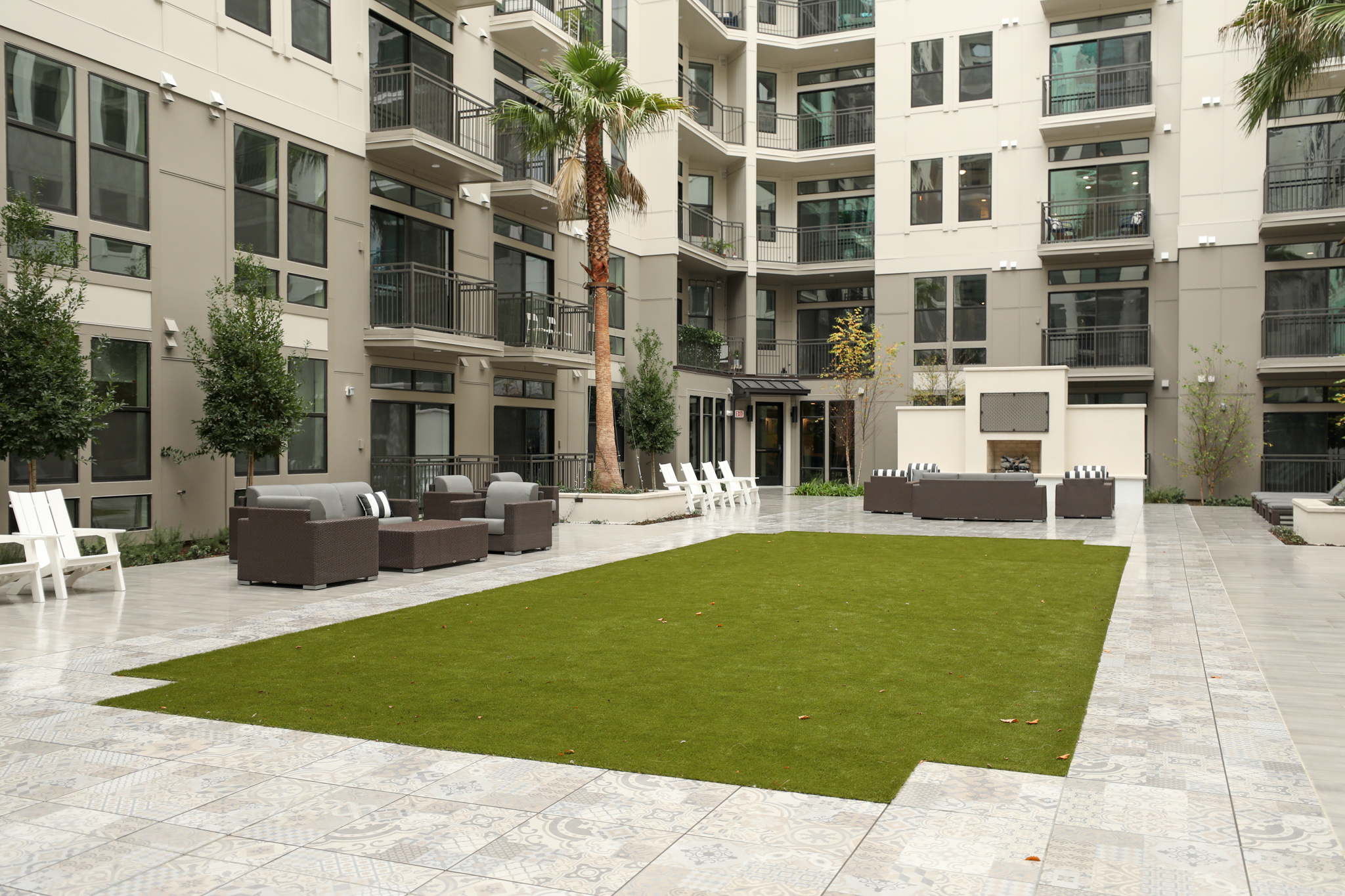
Transforming an urban rooftop or patio into a green oasis presents unique challenges. These spaces are fully exposed to the elements, from intense UV rays to dramatic temperature swings. Nylon turf is exceptionally well-suited for these environments. Its superior strength and heat resistance prevent the fibers from melting or degrading under the hot sun. Unlike other synthetics, nylon maintains its structural integrity, ensuring the surface remains beautiful and functional for years. This makes it the perfect choice for creating durable, low-maintenance amenity spaces that add significant value to commercial and residential buildings. You can see some stunning examples in our project gallery.
The Go-To for Putting Greens and Golf
For any serious golfer, the quality of the putting surface is everything. Nylon is the preferred material for professional-grade putting greens because it delivers the most realistic performance. The stiff fibers allow the golf ball to roll true and consistently, closely mimicking the feel of a natural bentgrass green. While softer plastics can cause the ball to wobble or skip, nylon provides a smooth surface that helps players accurately read their putts. This level of performance is essential for backyard putting greens, commercial courses, and indoor golf simulators where practice needs to translate to the real course, providing consistent ball speed and a true roll.
A Smart Choice for Commercial Landscapes
Think about the turf in a public park, an outdoor event venue, or the common area of a commercial complex. These spaces endure constant foot traffic that would quickly wear down less durable turf. Nylon is built for these extreme conditions. Its unmatched resilience means it can handle crowds, furniture, and frequent activity without showing signs of wear and tear. For property managers and business owners, this means a consistently green and inviting landscape with minimal maintenance. Choosing nylon for these demanding environments ensures a long-term solution that looks great and stands up to public use, protecting your client’s investment and your reputation.
Busting Common Myths About Nylon Turf
Nylon turf has a reputation for being tough, but it also comes with a few persistent myths. If you’ve heard that it looks fake, requires a lot of work, or isn’t safe, it’s time to set the record straight. Old ideas about artificial grass just don’t apply to the high-performance products available today. Let’s clear up some of the most common misconceptions so you can confidently choose the right turf for your project. Understanding the facts helps you manage client expectations and deliver results that last.
Myth #1: Nylon Turf Looks Fake
Let’s be honest, early versions of artificial grass didn’t do themselves any favors. They often looked more like a bright green carpet than a lawn. Thankfully, technology has come a long way. Today’s premium nylon turf is engineered to closely mimic the appearance and texture of natural grass. Manufacturers use multi-toned fibers, varied blade shapes, and realistic thatch layers to create a product that looks lush and authentic from any angle. When you see a quality installation, it’s often hard to tell the difference without getting up close. The best way to see the difference is to look at real-world applications in a project gallery.
Myth #2: It’s a Hassle to Maintain
One of the biggest selling points of any synthetic turf is how little maintenance it needs, and nylon is no exception. The idea that it’s a hassle to care for is completely off base. Forget mowing, watering, fertilizing, and weeding. Nylon turf eliminates all of that, saving you (or your clients) significant time, money, and water. Basic upkeep involves rinsing off dust and debris as needed and occasionally brushing the fibers with a stiff broom to keep them upright, especially in high-traffic areas. It’s a simple routine that keeps the surface looking great for years without the constant work a natural lawn demands.
Myth #3: It’s Unsafe for People and Pets
Concerns about safety are valid, but modern nylon turf is designed with people, pets, and the environment in mind. Reputable turf systems are made from non-toxic, lead-free materials, making them perfectly safe for kids and animals to play on. In fact, specialized systems like PETMAXX® are built specifically for durability and cleanliness in pet areas. From an environmental standpoint, synthetic turf conserves massive amounts of water and eliminates the need for chemical pesticides and fertilizers that can run off into local water systems. Many turf products are also recyclable at the end of their life, contributing to a more sustainable landscape solution.
What to Realistically Expect from Your Turf
While nylon turf is an incredible product, it’s important to have realistic expectations. One common point of discussion is heat. Synthetic turf will get warmer in direct sunlight than natural grass. However, modern turf systems are engineered to minimize heat buildup and ensure the surface remains comfortable. For example, our HEATMAXX® SOFT line incorporates technology specifically designed to reduce surface temperatures. It’s not about pretending heat isn’t a factor; it’s about choosing the right product for the climate and application. By understanding the material’s properties, you can select a system that delivers the performance and comfort your project requires.
How to Choose the Right Specs for Your Project
Selecting the right nylon turf goes beyond just picking a color. The specifications of the turf system, from the height of the blades to the construction of the backing, directly impact its performance, longevity, and how happy your client will be with the final result. Getting the specs right means fewer callbacks and a finished project that looks and performs exactly as promised. For homeowners, understanding these details helps you ask the right questions and ensure you’re getting a product that fits your needs.
Think of it like choosing tires for a car; you wouldn’t put racing slicks on an off-road truck. Similarly, the turf for a commercial dog park has very different requirements than the turf for a backyard putting green. Key factors like pile height, density, backing material, and even the specific yarn shape all play a role. By matching the product specs to the project’s demands, you can confidently deliver a surface built to last. We’ll walk through the most important specifications to consider so you can choose the perfect nylon turf system for any application.
Choosing the Right Pile Height and Density
Pile height, or the length of the turf blades, is one of the first things people notice. It can range from a short, neat 0.25 inches to a lush 2.5 inches. For areas with heavy foot traffic or for athletic applications like putting greens, a shorter pile height is usually best because it’s more resilient and provides a firm, stable surface. For a residential lawn where the goal is a soft, natural look, a longer pile height is a great choice.
Density refers to how closely the turf fibers are stitched together. Higher density means more fibers per square inch, which creates a more durable and cushioned surface. For pet areas or playgrounds, a high-density turf like our PETMAXX® series is ideal because it can withstand constant use and is easier to clean.
Understanding Face Weight Specifications
Face weight is simply the weight of the turf fibers, or yarn, in a square yard, not including the backing material. Think of it as a key indicator of density. A higher face weight generally means more yarn is packed into the turf, creating a fuller, more durable surface that can stand up better to foot traffic. However, face weight doesn’t tell the whole story. The type of fiber is just as important. A nylon turf with a moderate face weight can easily outperform a polyethylene turf with a much higher face weight because nylon fibers are inherently stronger and more resilient. They have superior “memory” and bounce back from pressure more effectively. When you’re comparing different turf products, consider both the face weight and the fiber material to find the best balance of performance and value for your specific application.
Why Turf Backing and Construction Matter
The backing is the unsung hero of any turf system. It’s what holds the entire product together, locking in the fibers and providing dimensional stability. A high-quality backing prevents the turf from stretching or shrinking with temperature changes, which is especially important for rooftop and patio installations where the surface is exposed to the elements. Nylon’s inherent strength and temperature resistance make it a top choice for these demanding environments.
Beyond stability, the backing also dictates drainage performance. For poolside areas or regions with heavy rainfall, a turf system with a highly permeable backing is essential. Our AQUAMAXX® products, for example, are designed to drain water quickly, preventing puddles and keeping the surface dry and usable. Always check the backing specs to ensure they align with the project’s drainage needs.
The Role of Padded Backing for Safety
For projects like indoor training facilities, gyms, or playgrounds, safety is just as important as durability. This is where padded backing becomes a critical specification to consider. Many high-performance turf systems for training include an integrated foam pad directly attached to the backing, creating a single, unified product. This built-in layer of cushioning helps absorb impact from falls, jumps, and intense workouts, which can reduce the risk of injury. The softer surface is more forgiving for athletes who are stretching or training on their hands and knees. For installers, specifying a product with padded backing is a straightforward way to deliver the safety and performance your clients expect from a professional-grade athletic surface.
Finding the Perfect Color and Texture
Modern nylon turf does an incredible job of mimicking the look and feel of natural grass. Gone are the days of single-tone, plastic-looking lawns. Today’s options feature multiple shades of green mixed with brown or tan thatch fibers to create a realistic, vibrant appearance. The texture is just as important, as it affects how the turf feels underfoot. A softer fiber is great for backyards and play areas, while a stiffer, more resilient fiber is better for high-traffic commercial spaces.
The best way to choose the right color and texture is to see it in person. We always recommend getting samples to view in the actual project location. Sunlight can dramatically change how a color looks, and feeling the texture will give you and your client confidence in the final choice. You can see a wide range of finished projects in our online gallery to get inspiration.
Match the Turf to the Local Climate
Climate plays a huge role in how synthetic turf performs over time. While nylon is known for its excellent temperature resistance, any synthetic surface can get warm in direct, intense sunlight. If you’re installing in a hot, sunny region, look for turf systems designed to stay cooler. Our HEATMAXX® SOFT line, for instance, incorporates technology to reduce surface temperatures, keeping the lawn comfortable for people and pets.
In colder climates, the concern is less about heat and more about durability. You need a product that won’t become brittle or crack during freezing temperatures. A well-constructed nylon turf with a flexible backing will hold up beautifully through freeze-thaw cycles. For wet climates, the focus returns to drainage. A permeable backing and proper base preparation are key to preventing waterlogged turf and ensuring a long-lasting, functional surface.
Evaluating Special Features and Sourcing
Once you’ve narrowed down the basic specs, it’s time to look at the finer details that separate a good turf system from a great one. Special features like antimicrobial technology can make a huge difference in the long-term cleanliness and usability of a space. At the same time, knowing where your turf comes from can give you confidence in its quality and supply chain reliability. These factors are often key selling points for installers and provide peace of mind for property owners, ensuring the final product not only meets but exceeds expectations.
Antimicrobial Technology for Cleaner Surfaces
For projects involving kids, pets, or poolside areas, cleanliness is a top priority. This is where antimicrobial technology becomes a game-changer. Some high-performance turf products have antimicrobial agents built directly into the fibers during manufacturing. This technology works around the clock to inhibit the growth of bacteria, mold, and mildew, which are common culprits behind odors and stains. For pet-specific installations, this feature is invaluable. Systems like our PETMAXX® line are designed with cleanliness in mind, and choosing a turf with antimicrobial protection can help keep the surface up to 99% fresher, making it a healthier and more pleasant space for everyone.
The Importance of Ordering Samples
Product photos and spec sheets can only tell you so much. The only way to truly understand how a turf will look and feel is to get a physical sample in your hands. A sample allows you to see the true color variations in natural sunlight, feel the texture of the blades, and inspect the quality of the backing. For installers, having samples is a crucial sales tool that helps clients make a confident decision and prevents any surprises on installation day. For homeowners, it’s your chance to compare options and ensure the product you choose is exactly what you envision for your space before making a significant investment.
Sourcing “American Made” Products
Knowing where your turf is manufactured can tell you a lot about its quality and consistency. Sourcing “American Made” products often means you’re getting turf that adheres to strict manufacturing and safety standards. This can translate to better quality control, more reliable product availability, and more predictable project timelines for installers. When you can count on your supplier to have high-performance products in stock, it helps you run your business more smoothly. Supporting domestic manufacturing also means you’re investing in a supply chain that’s closer to home, which can be a significant advantage for both contractors and their clients.
Understanding Warranties and Drainage Rates
A strong warranty is more than just a piece of paper; it’s a manufacturer’s promise that their product will perform as advertised. Before finalizing your choice, always review the warranty details. Look for comprehensive coverage against things like UV degradation, which prevents fading, and manufacturing defects. A solid warranty protects your client’s investment and gives you confidence in the product you’re installing. Equally important is the turf’s drainage rate. A system that can’t handle water efficiently will lead to puddles, mold, and a soggy mess. For pet areas or rainy climates, look for turf with excellent drainage—some high-performance systems like our AQUAMAXX® products can drain water at over 30 inches per hour, keeping the surface dry and ready for use.
How to Get a Flawless Nylon Turf Installation
Even the highest-quality nylon turf can fall short of expectations if the installation isn’t handled correctly. The difference between a pristine, long-lasting lawn and a lumpy, unconvincing surface often comes down to the details of the installation process. For dealers and installers, getting this right is the key to happy clients and fewer callbacks. For property owners, understanding these factors helps you ask the right questions and ensure your investment pays off.
From the ground up, every step matters. A solid base provides the stability and drainage needed for the turf to perform year after year. The right infill protects the fibers and creates the desired feel underfoot. And the finishing touches, especially the seams, are what separate a professional job from an amateur one. While it might be tempting to cut corners, a meticulous approach to installation is what truly brings out the best in a premium turf system. It ensures the final product not only looks flawless on day one but also holds up to years of traffic, weather, and use. Getting these elements right prevents common issues like wrinkles, poor drainage, and visible seams that can undermine an otherwise excellent product.
Start with Proper Base Prep and Drainage
Think of the base as the foundation of your entire turf system. If it fails, everything on top of it will, too. Proper base preparation is essential for creating a stable, even surface that will last. More importantly, a well-constructed base is critical for drainage. Without a clear path for water to escape, you’ll end up with puddles, mildew, and a shortened lifespan for your turf. According to the Synthetic Turf Council, a well-built base is non-negotiable for longevity and performance. Our complete installation guide provides detailed specifications for building a base that can handle anything the weather throws at it.
Choosing the Correct Infill
Infill is much more than just sand you sprinkle on top. It’s a critical component that helps the nylon fibers stand upright, provides cushioning, and adds the necessary ballast to keep the turf in place. The type of infill you choose can dramatically change the performance and feel of the surface. For example, the infill for a commercial putting green will be very different from what’s needed for a pet-friendly backyard. Options like coated sand or specialized materials each offer unique benefits for resilience and playability. You can explore a variety of infill and accessories to find the perfect match for your project’s specific demands.
Calculating Recommended Infill Amounts
Figuring out exactly how much infill you need is a critical step for ensuring the turf performs as it should. While every product has its own specifications, a good general guideline is to use about 1-2 pounds of infill per square foot for standard residential lawns. For high-traffic commercial areas or playgrounds that will see a lot of action, you’ll want to increase that to 2-3 pounds per square foot to provide extra resilience and support for the fibers. Specialized applications like putting greens also typically require 2-3 pounds per square foot to guarantee a consistent and true ball roll. The best approach is to always check the recommendations for the specific turf product you’re installing, but this simple formula will get you started: Total Square Footage x Recommended Pounds Per Square Foot = Total Infill Needed.
Why Professional Installation Matters
While a DIY approach can be tempting, professional installation is the surest way to get a flawless result. Experienced installers have the specialized tools and knowledge to handle the nuances of synthetic turf. They know how to properly excavate, build a compacted base, stretch the turf to prevent wrinkles, and cut it perfectly to fit complex shapes. As turf experts at AstroTurf note, professional work prevents costly repairs down the line. Investing in an expert ensures every step is done right, giving you a beautiful, durable surface you can be proud of. Our partner program can connect you with trusted installers who meet our high standards.
Perfecting Seams and Finishing Touches
Nothing screams “fake grass” like a visible seam. Creating invisible, durable seams is an art form that requires precision and the right materials. When done correctly, the connection between two pieces of turf should be completely unnoticeable and strong enough to withstand heavy foot traffic and temperature changes. The Synthetic Turf Council emphasizes that seam integrity is vital for both the look and the function of the turf. Properly executed seams contribute directly to the system’s overall durability. Taking the time to get this final detail right is what makes the entire project look polished and professional.
How Nylon Turf Performs in Any Climate
One of the biggest questions we get from installers and property owners is how turf will hold up to their local weather. From scorching sun to freezing winters and heavy rain, climate plays a huge role in the long-term success of any project. Nylon is an incredibly resilient fiber, but its performance is tied to the entire turf system. Choosing the right product and preparing the site correctly ensures your turf looks and performs great, no matter what the weather brings.
Keeping Cool in Hot Climates
Let’s be direct: nylon turf can get warm in direct sunlight, just like any other surface such as pavement or decking. In hot, sunny climates, surface temperature is a valid concern. The key is to manage it with smart product choices and installation techniques. Opting for lighter-colored turf can make a significant difference. We also recommend specific infills that retain less heat. For projects where heat is a top priority, our HEATMAXX® SOFT line is engineered with heat-reflective technology to keep surfaces cooler. For homeowners, a quick spray with a hose can also cool the area down quickly for comfortable use.
How It Holds Up in the Cold
While people often worry about heat, nylon turf is a fantastic performer in cold climates. Unlike natural grass, it won’t die in a freeze or turn into a muddy pit during the spring thaw. The fibers are designed to withstand freezing temperatures without becoming brittle or breaking. Snow can be shoveled or brushed off without damaging the turf, allowing for year-round use of patios, play areas, and pet spaces. This durability makes it a reliable surface that looks green and lush even when everything else is dormant for the winter, providing consistent curb appeal and functionality.
What Happens When It Rains?
Nylon fibers themselves don’t absorb water, so performance in rainy conditions comes down to two things: the turf’s backing and the sub-base preparation. A quality turf system is designed for excellent drainage. Our AQUAMAXX® products, for example, feature a highly permeable backing that allows water to pass through freely. When paired with a properly prepared aggregate base, the entire system drains much faster than natural soil, preventing puddles and mud. This creates a stable, usable surface almost immediately after a storm, which is a major advantage for everything from commercial landscapes to backyard putting greens.
Your Guide to Nylon Turf Maintenance
Nylon turf is one of the toughest products on the market, but routine care keeps it performing its best. Proper maintenance protects your client’s investment and ensures the surface remains safe, clean, and ready for action. These simple steps will help you get the most out of your installation and prevent callbacks. By educating your clients on these practices, you empower them to maintain the quality you delivered on day one.
Easy Cleaning and Care Routines
One of the best things about nylon turf is how easy it is to clean. For indoor use, its short, tight fibers allow you to vacuum away dust and debris. Outdoors, a periodic rinse with a garden hose washes away pollen and dirt. For stubborn spots or pet areas, a solution of mild soap and water with a soft-bristled brush will do the trick. A leaf blower or flexible, non-metal rake works perfectly for larger debris. Regular cleaning prevents buildup and keeps the turf looking fresh, which is vital for specialized systems like our PETMAXX® turf.
Keeping Your Infill in Top Shape
If your nylon turf system includes infill, maintaining it is key to performance and longevity. Infill provides stability, cushions the surface, and helps the fibers stand upright. Over time, heavy foot traffic can cause the infill to compact or migrate. To fix this, periodically brush the turf with a stiff, non-metal broom or a power broom. This process, called “blooming,” redistributes the infill and lifts the fibers. An infill depth of 1/2 to 3/4 inches is ideal for most applications. Regular blooming keeps the surface consistent and resilient.
How to Maximize Your Turf’s Lifespan
Nylon is designed to resist wear, scraping, and flattening better than other artificial grasses, making it a reliable choice for extreme conditions. To ensure it lasts, a few preventative measures are all you need. Advise clients to avoid placing hot items, like a grill, directly on the surface and be mindful of sharp objects that could puncture the backing. Addressing spills quickly prevents stains. Finally, a periodic inspection of high-traffic zones and seams can help you catch minor issues before they become bigger problems. This proactive approach ensures high-performance turf like SPORTMAXX® continues to deliver for years.
Find the Right Nylon Turf for Your Business
Choosing the right turf is about more than just specs on a sheet; it’s about finding a reliable product that performs for your clients and a supplier who supports your business. When you’re ready to source nylon turf for a demanding project, you need a partner who understands the nuances of different applications and can deliver consistent quality. Let’s walk through how to find the perfect nylon solution and the support you need to ensure every installation is a success.
Discover Go Green’s Nylon Turf Systems
When a project calls for exceptional strength and temperature resistance, nylon turf is often the answer. It’s an ideal choice for high-stakes commercial applications like rooftop decks, terraces, and multi-use athletic zones where surface performance is non-negotiable. We offer specialized nylon turf products designed to withstand these exact challenges. Whether you need a custom solution for a unique space or guidance on the best product for a specific environment, our team can help. We focus on providing turf systems built to perform long-term, giving you a product you can confidently stand behind.
What to Look for When Sourcing Turf
As you compare nylon turf options, look for features that promise longevity and performance. Key factors include durability, heat resistance, and how well the fibers replicate the look and feel of natural grass. Modern synthetic turf is engineered to do more than just look good; it’s designed to reduce impact, improve stability, and enhance safety for athletes and families alike. By focusing on these quality indicators, you can source a product that not only meets your client’s expectations but also minimizes callbacks. Check out our project gallery to see how premium turf performs in real-world applications.
Get Expert Support for Your Next Project
Your supplier should be more than just a name on an invoice. A true partner provides a complete solution, from helping you select the right turf to offering the accessories and guidance needed for a flawless installation. We pride ourselves on being that partner for our network of dealers and installers. Our goal is to equip you with high-performance products, clear specifications, and practical advice that helps your projects succeed. If you’re looking for consistent quality and a team that’s invested in your success, explore our dealer partner program to see how we can work together.
Related Articles
- Categories – Go Green Synthetic Turf
- PET BASIC – Go Green Synthetic Turf
- SPORTMAXX® 36 3CN – Go Green Synthetic Turf
- SPORTMAXX® 36 3CU – Go Green Synthetic Turf
- SPORTMAXX® 36 2CU – Go Green Synthetic Turf
Frequently Asked Questions
Is nylon turf really worth the higher price? That’s a great question. While nylon does have a higher upfront cost, it’s helpful to think of it as an investment in performance and longevity. For high-traffic commercial areas, sports applications, or rooftops, its incredible durability means it will hold its shape and look great for much longer than less resilient options. In these demanding situations, choosing nylon often saves money over time because you won’t have to replace it as frequently.
Will nylon turf get too hot for my kids or pets to use? It’s true that any synthetic turf will feel warmer than natural grass in direct sun, and nylon is no exception. However, there are effective ways to manage this. Modern turf systems, like our HEATMAXX® SOFT line, are engineered with technology to reduce surface temperatures. Choosing a lighter-colored turf and the right type of infill also makes a big difference. On very hot days, a quick spray with a hose can cool the surface down instantly for comfortable play.
What makes nylon the best choice for a putting green or sports area? Performance in sports is all about consistency, and that’s where nylon truly stands out. Its stiff, resilient fibers provide a firm and predictable surface. For golf, this means the ball rolls true without wobbling, just like on a professional course. For training facilities, it means athletes have stable footing for drills. Softer turf materials just can’t offer that same level of reliable, consistent performance.
How do I know which nylon turf specs are right for my project? Choosing the right specs comes down to how the space will be used. For a backyard putting green or a busy commercial patio, you’ll want a shorter pile height and high density for maximum durability. For a residential lawn that gets less traffic, a longer pile height can create a more lush, natural look. You also need to consider the backing, especially for poolside areas or rainy climates, to ensure you have proper drainage.
Does nylon turf actually look and feel like real grass? The days of fake-looking, plastic-y turf are long gone. Today’s high-quality nylon products are made with multiple colors and thatch layers to create a surprisingly realistic look. As for the feel, nylon is definitely firmer than some other synthetics. This texture is what makes it so resilient, but it might not be the soft, plush feel someone wants for a lounging lawn. It’s all about matching the material’s characteristics to your project’s goals.
Leave a Reply