


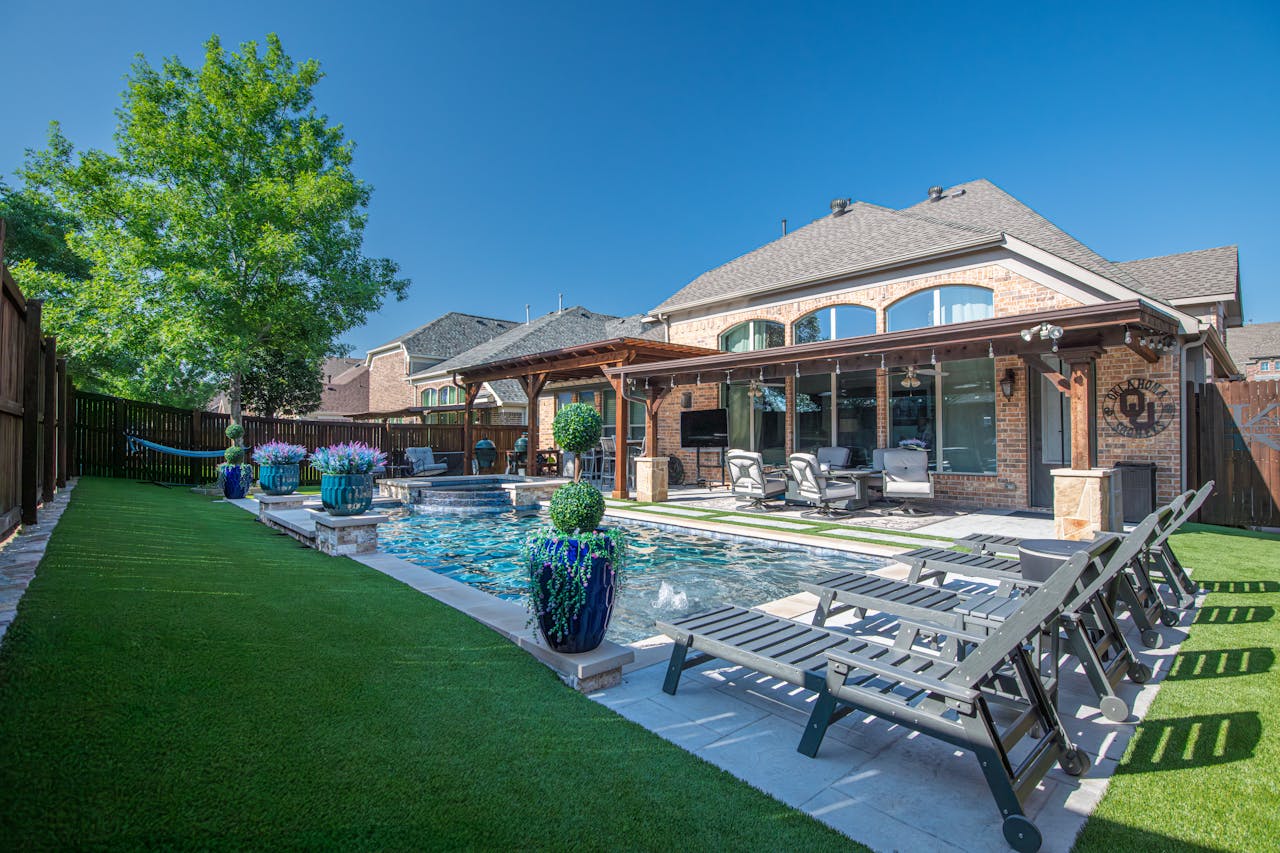
Artificial Turf vs. Grass: Which Is Right for You?
If your mental picture of artificial turf is a stiff, plastic-looking mat, it’s time for an update. Today’s turf is a highly engineered system, a world away from the products of the past. Modern innovations have solved many of the old drawbacks. We now have turf that stays cooler in the sun, drains faster than any soil, and offers specialized solutions for pets and high-traffic play areas. The choice is no longer just between real and fake; it’s between a traditional lawn and a sophisticated, durable surface designed for modern life. Let’s explore how today’s advanced artificial turf stacks up against natural grass.
Artificial Turf vs. Natural Grass: Which Is Right for You?
If you’re weighing synthetic turf against a traditional lawn, you’re not alone. Homeowners, property managers, and commercial developers across the country face this decision every year, and the answer depends on climate, budget, lifestyle, and long-term priorities.
This guide breaks down the honest pros and cons of both options so you can make a confident, informed choice.
Understanding the Components of Artificial Turf
When you look at a lush, green artificial lawn, it’s easy to think of it as just a carpet for your yard. But high-quality synthetic turf is much more than that—it’s a complete system where each component works together to deliver the look, feel, and durability you expect. Understanding these parts is key, whether you’re an installer who needs to guarantee a project’s long-term performance or a homeowner wanting a safe place for your kids and pets to play. For installers, choosing the right system means fewer callbacks and more confident clients. For property owners, it means getting a fantastic return on your investment instead of a surface that fails prematurely.
A turf system is only as strong as its weakest link, so knowing what goes into it helps you ask the right questions and choose a solution built to perform in the real world. From the individual blades of grass to the supportive backing and the crucial infill material, every piece has a purpose. The blades provide the color and texture, the backing holds it all together, and the infill gives the turf its stability, resilience, and realistic feel underfoot. Let’s break down what these components are and why they matter so much for the success of your project.
What Artificial Turf is Made Of
At its core, artificial turf is a textile product engineered for the outdoors. It starts with synthetic fibers that are tufted into a durable backing material, much like how carpet is made. But that’s where the comparison ends. Unlike indoor flooring, every element is designed to withstand UV rays, temperature swings, heavy foot traffic, and moisture. The quality of these raw materials directly impacts how long your turf will last and how good it will look years down the road. That’s why we focus on sourcing premium polymers and backing materials for our turf systems—it ensures a consistent, reliable product you can count on for any application.
Turf Blades and Backing
The “grass” blades themselves are made from resilient polymers like polyethylene, which is known for being soft and skin-friendly, making it ideal for lawns and play areas. The shape of these blades also plays a big role in their performance, affecting everything from softness to how well they spring back after being stepped on. This yarn is then stitched into a multi-layered backing. The primary backing holds the blades in place, while a secondary coating, often made of polyurethane, locks the fibers in and adds dimensional stability. This coating is critical for preventing the turf from stretching or shrinking with temperature changes, ensuring a smooth, even surface for years.
The Role of Infill
Infill is the secret hero of every artificial turf system. It’s a granular material that’s spread between the grass blades after the turf is installed, and it’s not an optional accessory. Infill serves several critical functions: it helps the turf blades stand upright for a fuller look, provides a cushioned, shock-absorbent surface that feels more like natural grass, protects the backing from direct UV exposure, and adds the necessary weight to keep the turf securely in place. Without the right infill, turf can feel flat, get uncomfortably hot, and wear out prematurely. Choosing the correct type and amount of infill is one of the most important decisions in any installation.
Common Infill Types and Potential Concerns
The world of infill has evolved significantly over the years. While older materials are still on the market, it’s important to understand their properties and the discussions surrounding them. For decades, the choice of infill was limited, and some of those traditional options come with drawbacks that modern alternatives have since solved. Being informed about these materials helps you understand why the industry is moving toward safer, higher-performance solutions. For both installers and homeowners, knowing the difference between legacy materials and modern innovations is crucial for making a responsible and effective choice for homes, parks, and sports fields.
Crumb Rubber Infill
Crumb rubber, made from recycled tires, was once the go-to infill for sports fields because it’s inexpensive and provides excellent shock absorption. However, its use has become a topic of debate, especially for residential lawns. Concerns have been raised about the chemicals found in recycled tires and the black dust that can get on skin and clothes. According to the Virginia Department of Health, studies have been ongoing for years to assess the safety of these materials. This uncertainty has led many homeowners and installers to seek out alternatives for peace of mind, particularly in spaces used by children and pets.
Silica Sand Infill
Raw silica sand is another traditional infill option that is both natural and affordable. While it doesn’t carry the same chemical concerns as crumb rubber, it has its own set of performance issues that can lead to problems down the line. Over time, raw sand compacts under foot traffic, becoming hard and dense. This compaction reduces permeability, which can hinder drainage and lead to standing water. It can also retain moisture, creating a friendlier environment for bacteria and odors. Furthermore, the fine dust associated with some types of silica sand can be a respiratory irritant, making it less than ideal for play areas.
Modern Infill Alternatives for Safety and Performance
Thankfully, the industry has developed innovative infill solutions that offer superior performance without the compromises of older materials. These modern alternatives are designed with safety, durability, and cleanliness in mind, making them the clear choice for most applications today, from backyard putting greens to pet-friendly play areas. They represent a significant step forward in creating turf systems that are not only beautiful but also genuinely functional and worry-free. Investing in a modern infill is one of the best ways to ensure your turf project succeeds and provides lasting value for years to come.
Coated Sand, Cork, and Wood Infill
Today’s best turf systems use advanced infills like coated sand. These products take durable, rounded sand granules and encapsulate them in a protective coating, often with antimicrobial properties built right in. This technology prevents compaction, improves drainage, and helps reduce bacteria and odors—a must for anyone with pets. At Go Green, we supply high-quality infill and accessories designed to maximize the safety and longevity of your turf system. Other modern options include natural materials like cork and treated wood, which offer excellent cushioning and are environmentally friendly choices for those prioritizing sustainability in their projects.
What’s the Real Cost of Artificial Turf vs. Grass?
Natural grass is cheaper to install. Seed or sod, topsoil, and basic grading typically run $1 to $3 per square foot. Artificial turf installation costs more upfront, generally $5 to $15 per square foot depending on product quality, infill, and site preparation.
However, the lifetime cost picture flips. Natural grass demands ongoing spending on water, fertilizer, weed control, mowing equipment, and labor. The average American household spends roughly $200 to $500 per year maintaining a natural lawn.
Over a 15-year span, high-quality synthetic turf often costs less per year than a natural lawn when you factor in water savings, zero fertilizer, and virtually no equipment costs. For a detailed cost breakdown, see our guide to synthetic turf cost per square foot.
Tired of Mowing? Comparing Lawn Maintenance Needs
Natural grass requires a consistent maintenance schedule:
- Weekly mowing during the growing season
- Regular watering (20,000+ gallons per year for an average lawn)
- Seasonal fertilizing and overseeding
- Weed and pest control treatments
- Aeration and dethatching
Artificial turf maintenance is minimal by comparison. Occasional brushing to keep fibers upright, rinsing off debris, and periodic infill top-ups are all that’s needed. No mowing, no irrigation systems, no chemical applications. For homeowners who value their weekends, this is often the deciding factor. Our synthetic turf maintenance guide covers everything you need to know.
Routine Cleaning and Care
One of the biggest draws of artificial turf is its low-maintenance lifestyle. While you can say goodbye to mowing, fertilizing, and watering, a little routine care will ensure your lawn looks lush and inviting for years. Think of it less like a chore and more like a quick touch-up. Regular cleaning prevents small issues from becoming bigger problems and protects your investment. It’s all about keeping the surface free of debris and the fibers standing tall, which is simple to do with just a few basic tools and a consistent, easy-to-follow schedule that keeps your outdoor space looking pristine.
Want the full breakdown? Read our year-round guide on how to maintain artificial turf — covering brushing, rinsing, deodorizing, and seasonal inspection checklists.
Removing Debris and Brushing Fibers
The most common task is simply keeping your turf clear of organic debris like leaves, twigs, and dirt. A quick pass with a leaf blower or a stiff-bristled, non-metal broom will do the trick. For high-traffic areas where the fibers might start to lay flat, regular “cross-brushing” is key. This means brushing the turf fibers against their natural grain to help them stand back up. This simple step restores the plush, full look of your lawn and ensures it wears evenly over time. Using a quality turf product with resilient fibers makes this process even easier, as they are designed to bounce back naturally with minimal effort.
How to Handle Spills and Stains
Accidents happen, but spills and stains don’t have to be a disaster on artificial turf. For most spills, like soda or pet accidents, the key is to act quickly. Blot up any liquids with a towel and scoop away solids, then rinse the area with a garden hose. For stickier messes, a simple solution of mild soap and water or a diluted mix of water and white vinegar works wonders. Gently scrub the spot and rinse thoroughly. It’s crucial to avoid harsh chemicals or bleach, which can discolor and damage the turf fibers. If you have pets, choosing a turf system like PETMAXX®, with its excellent drainage and antimicrobial properties, makes cleanup even more straightforward.
A Guide to Seasonal Maintenance
Just as your home needs different kinds of attention throughout the year, so does your artificial turf. Each season brings unique environmental factors, from spring pollen to autumn leaves and winter frost. Adjusting your maintenance routine seasonally helps you stay ahead of potential issues and keeps your turf in prime condition. A few simple, season-specific tasks will ensure your lawn remains a beautiful, functional space no matter the weather. This proactive approach guarantees your turf is always ready for backyard barbecues, kids’ playtime, or simply enjoying a perfect-looking lawn without the usual seasonal yard work headaches.
Spring: Rinsing Away Pollen and Checking Drainage
After a long winter, your turf is ready for a spring refresh. A thorough rinse with a garden hose is the perfect way to wash away the dust, dirt, and pollen that have accumulated. This not only brightens the color of your lawn but also helps reduce seasonal allergens for your family. As the spring showers arrive, it’s also a great time to do a quick visual check of your drainage. Water should disappear efficiently through the turf’s backing. If you notice any standing water, ensure no debris is blocking the surface. Systems with superior drainage, like our AQUAMAXX® line, are built to handle heavy rainfall with ease, giving you peace of mind.
Fall: Managing Fallen Leaves
As the leaves begin to turn and fall, it’s important to remove them from your turf regularly. While a colorful blanket of leaves is pretty, letting them sit on your synthetic lawn can cause problems. Piled-up leaves trap moisture, which can lead to mold or mildew, and they can clog the drainage system. More importantly, decaying organic matter can encourage weed growth on the surface of the turf. A leaf blower is the fastest way to clear your lawn, but a flexible, non-metal rake or a turf broom also works well. Keeping your turf clear in the fall ensures it stays clean, dry, and ready for winter.
Winter: Dealing with Snow and Ice Safely
If you live in a climate with snow and ice, don’t worry—your turf is built to handle it. For light, fluffy snow, it’s best to let it melt naturally. If you need to clear a path, use a plastic shovel, never a metal one, to avoid damaging the fibers. The most important rule for winter care is to never use rock salt or chemical de-icers on your artificial grass. These products can clog the drainage holes in the backing and may damage the turf system over time, potentially voiding your warranty. Frost is usually not an issue, but if you need to use the area, you can gently brush it away with a broom.
The Value of Professional Maintenance
While DIY maintenance is effective for day-to-day upkeep, scheduling a professional service once or twice a year is a smart investment in the longevity of your lawn. Professionals have specialized equipment, like power brooms, that can perform a deep clean and re-bloom the turf fibers more effectively than standard tools. They can also inspect the entire system, check seam integrity, and top up infill to ensure optimal performance, safety, and cushioning. Think of it as a deep-cleaning spa day for your turf that keeps it looking and performing its best for the long haul. For installers, offering this service can be a great way to build lasting customer relationships.
How Long Does Artificial Turf Actually Last?
A well-maintained natural lawn can last indefinitely, but it’s vulnerable to drought, heavy foot traffic, disease, and seasonal dormancy. Bare spots and uneven wear are common, especially in high-traffic areas or under shade.
Premium artificial turf products are engineered for durability. Go Green Synthetic Turf products carry 15-year prorated warranties and are built to handle heavy foot traffic, UV exposure, and extreme weather without fading or flattening. Learn more about what affects turf longevity in our article on how long synthetic turf lasts.
Is Artificial Turf a Greener Choice for Your Yard?
This is where artificial turf makes a significant environmental case. The EPA estimates that landscape irrigation accounts for nearly one-third of residential water use, totaling roughly 9 billion gallons per day in the U.S.
Switching to synthetic turf eliminates lawn watering entirely. For homeowners in drought-prone states like Arizona, Nevada, California, and Texas, this can translate to thousands of gallons saved annually and meaningful reductions in water bills.
Natural grass does offer carbon sequestration and supports soil ecosystems. However, the fertilizer runoff, pesticide use, and emissions from gas-powered mowers associated with lawn care offset some of those ecological benefits.
The Environmental Pros: Water and Chemical Reduction
The most significant environmental advantage of artificial turf is its massive reduction in water consumption. With landscape irrigation making up nearly a third of all residential water use in the U.S., switching to synthetic grass can save an average household thousands of gallons of water each year. This is especially critical in drought-prone areas where water conservation is a top priority. Beyond water savings, artificial turf eliminates the need for chemical fertilizers, pesticides, and herbicides that can contaminate local groundwater. You get a consistently green lawn without the constant cycle of chemical treatments and the environmental runoff that comes with them, creating a safer surface for kids and pets.
The Environmental Cons: A Balanced Look
While the water savings are compelling, it’s important to have an honest conversation about the environmental drawbacks of a plastic-based product. Like any manufactured material, synthetic turf has a lifecycle that includes production, use, and disposal, each with its own ecological footprint. Understanding these challenges is key to making a responsible choice and helps push the industry toward more sustainable practices. Let’s break down the main concerns so you have a complete picture of the environmental trade-offs involved when you choose turf for your project.
Microplastics and Plastic Pollution
Because artificial turf is made from plastic, it can shed tiny fibers, known as microplastics, over its lifespan due to wear and weather. According to the WWF, these particles can find their way into soil and waterways, contributing to plastic pollution. Choosing a high-quality, durable turf product and ensuring it is installed correctly with securely contained infill are the best ways to minimize fiber loss. As technology improves, manufacturers are developing more resilient products designed to stay intact for their entire warrantied life, reducing shedding and keeping materials where they belong.
Impact on Wildlife and Soil Ecosystems
A natural lawn is a living ecosystem that provides a habitat for insects, worms, and microorganisms. Installing an impermeable layer of synthetic turf covers the soil and displaces this local wildlife, effectively pausing the natural cycle of decomposition that keeps soil healthy. While a turf lawn itself doesn’t support this biodiversity, many homeowners create a balanced yard by installing turf in high-traffic areas while dedicating other parts of their landscape to native plant gardens, flower beds, and trees that provide food and shelter for pollinators and other local creatures.
Lifecycle and Carbon Footprint Considerations
The manufacturing of synthetic turf is an energy-intensive process that relies on fossil fuels, and there’s also the carbon footprint associated with transporting the finished product. A significant concern is what happens at the end of the turf’s life. While many older turf products ended up in landfills, the industry is making strides in recyclability. At Go Green, we focus on creating exceptionally durable products that last longer, reducing the frequency of replacement and waste. Furthermore, while some critics note that turf can increase water runoff, our AQUAMAXX® systems are engineered with fully permeable backings to allow water to pass through, helping to manage stormwater effectively.
Does Artificial Turf Get Too Hot in the Sun?
One common concern about artificial turf is surface heat. Standard polyethylene turf can absorb and retain heat on sunny days, making it uncomfortably warm underfoot.
This is where product selection matters. Go Green Synthetic Turf’s proprietary HEATMAXX SOFT nylon technology is specifically engineered to address heat challenges. Unlike standard polyethylene products that melt at around 165 degrees Fahrenheit, HEATMAXX nylon withstands temperatures up to 428 degrees Fahrenheit.
Even more important, HEATMAXX is the only turf in the industry warranted against Low-E window reflective burn damage. If your property has energy-efficient windows, standard polyethylene turf is at risk of melting from concentrated reflected sunlight. This is a problem that affects roughly 70% of the turf market, and Go Green is the only manufacturer offering warranty protection against it.
Understanding Surface Heat on Synthetic Lawns
It’s true that synthetic materials can get warmer than natural grass, which has a built-in cooling system through transpiration. Think of it like the difference between walking on a concrete patio versus a grassy field on a hot day. The turf’s surface, especially if it’s made from standard polyethylene with dark-colored infill, absorbs solar radiation. This can make the lawn uncomfortably warm for bare feet, kids, and pets during peak summer heat. The amount of direct sunlight, ambient air temperature, and even the angle of the sun play a role. Understanding this is the first step toward choosing a turf system that stays comfortable all year round.
How Technology and Infill Choices Reduce Heat
Thankfully, a hot lawn isn’t a given. The synthetic turf industry has made huge strides in developing products that manage heat effectively. A cooler lawn is the result of a complete system working together, and it comes down to two key components: the turf fiber technology and the type of infill you choose. By selecting advanced turf blades designed to reflect sunlight and pairing them with an infill that doesn’t absorb and store heat, you can create a surface that remains significantly cooler and more pleasant. It’s about making smart, informed choices from the ground up to ensure your investment is comfortable and usable, even on the sunniest days.
Innovations in Heat-Reflective Turf
The biggest factor in surface temperature is the turf itself. While basic polyethylene turf can struggle with heat, modern materials are engineered specifically for this challenge. For example, our HEATMAXX® SOFT line uses advanced nylon fibers that have a much higher melting point and lower heat retention compared to standard turf. The unique chemistry and shape of these blades are designed to reflect more infrared light, which is the part of the solar spectrum that generates heat. This means less energy is absorbed by the turf, resulting in a surface that feels cooler to the touch and is safer for everyone in the family to enjoy.
The Role of Cooler Infill Materials
Infill is the granular material that sits between the turf blades, providing stability and cushioning. Your choice of infill has a major impact on surface temperature. Traditional black crumb rubber, for instance, is notorious for absorbing and holding heat. Modern, cooler options include coated sands, which are often lighter in color to reflect sunlight rather than absorb it. Products like Envirofill, a type of coated sand, are designed to stay cooler and provide better performance. By pairing a heat-reflective turf with high-performance infill and accessories, you create a complete system that actively works to keep your lawn’s temperature down.
Safety and Injury Considerations
Safety is a top priority for any landscape project, and it’s a key part of the conversation around artificial turf. Whether you’re a parent planning a backyard play area or a facility manager designing a sports field, you want to feel confident in your choice. The discussion about turf safety usually covers two main areas: the materials used in the system (especially the infill) and the potential for physical injuries. Let’s look at both with a clear, fact-based perspective to understand the real risks and how modern turf technology addresses them.
Is Artificial Turf Safe for Kids and Families?
This is a valid question we hear all the time. Much of the public concern has centered on crumb rubber infill, which is made from recycled tires. While organizations like the Virginia Department of Health state that studies haven’t found a conclusive link to serious health issues, many families understandably prefer to choose other options. The good news is the industry has evolved. Today, you have a wide range of alternative infill options designed specifically for residential use, including coated sands and other non-rubber materials. Choosing the right infill is just as important as choosing the right turf to create a lawn that’s a safe space for kids and pets.
Physical Injury Risks for Athletes
The turf versus grass debate is a big one in the sports world. Some research indicates a higher rate of certain non-contact injuries, like those to the foot and ankle, on older synthetic surfaces. This is often attributed to surface traction that causes cleats to “stick.” However, mitigating this risk comes down to engineering the right system from the ground up. Modern sports turf, like our SPORTMAXX® line, is designed with player safety as a core principle. These systems integrate shock-absorbing pads and specific infill combinations to create a surface that provides cushion, proper energy return, and a safe balance between grip and release. A performance-engineered system is the key to a field that’s both durable and safer for athletes.
What Pet Owners Should Know About Artificial Turf
Both natural grass and artificial turf can work for pet owners, but synthetic turf designed for pets has distinct advantages:
- No mud or bare patches from digging and running
- Superior drainage that handles pet waste quickly
- Antimicrobial protection that prevents odor buildup
- No toxic fertilizers or pesticides that could harm your animals
Go Green’s PETMAXX line features Microban antimicrobial technology, drainage rates exceeding 1,000 inches per hour, and a 16-year odor warranty. For a deeper look at pet turf considerations, read our article on the pros and cons of artificial turf for dogs.
Choosing the Right Turf System for Pets
Durability and Odor Control
When selecting artificial turf for pets, durability and odor control are the top priorities. Natural grass often can’t stand up to the digging and running of active pets, leading to frustrating mud pits and bare spots. A specialized pet turf system is built to handle this wear and tear, keeping your yard pristine. Plus, it eliminates the need for potentially harmful fertilizers and pesticides, creating a safer play space for your animals. This means no more muddy paws being tracked inside and no more worrying about what your dog is rolling around in, giving you peace of mind.
The key to a fresh-smelling yard is a system designed for rapid drainage. Odors develop when pet waste gets trapped and isn’t washed away efficiently. That’s why our PETMAXX line is engineered with drainage rates exceeding 1,000 inches per hour and features Microban antimicrobial technology built directly into the turf. This combination flushes waste through the system quickly while actively fighting the growth of odor-causing bacteria. With a 16-year odor warranty, you can be confident you’re installing a solution that is built to perform for years to come.
How Well Does Artificial Turf Drain After Rain?
Poor drainage turns natural lawns into muddy, waterlogged messes during heavy rains. Compacted soil, clay content, and improper grading all contribute to standing water problems.
Quality artificial turf systems are designed with drainage as a core feature. Go Green’s AQUAMAXX products drain at rates exceeding 600 inches per hour, far outpacing any natural soil. This makes synthetic turf ideal for pool surrounds, play areas, and regions with heavy rainfall. For technical details, see our guide to artificial turf drainage.
How Turf Drainage Systems Work
Permeable vs. Non-Permeable Backings
The secret to great drainage lies in the turf’s backing. Older or lower-quality artificial grass often uses a non-permeable backing with small holes punched through it. While this allows some water to pass, it can be slow and lead to pooling during heavy downpours. Modern, high-performance turf, however, features a fully permeable backing. This design allows water to drain through the entire surface of the turf, not just through designated holes. For example, our AQUAMAXX® line is engineered with a 100% permeable backing that can handle massive amounts of water, making it a top choice for rainy climates and areas around pools where quick drying is essential.
Flood Risk and Proper Installation
Even the best drainage turf can’t perform without a proper foundation. While natural lawns with compacted soil can quickly turn into muddy pits, a correctly installed turf system is designed to manage water effectively from the ground up. The process involves excavating the area and laying a sub-base of compacted aggregate, typically crushed rock. This base creates a stable, porous foundation that allows water to flow through the turf, into the base, and then safely away into the underlying soil. This multi-layer system is the key to preventing standing water and ensuring your lawn remains usable immediately after a storm.
Skipping or rushing the base preparation is one of the biggest mistakes in any turf project. An improperly graded or compacted base can create low spots where water collects, defeating the purpose of a high-drainage product and potentially leading to issues down the line. For dealers and installers, getting the base right is crucial for avoiding client callbacks and building a reputation for quality work. Following a proven method ensures the entire system functions as intended, keeping the surface dry, stable, and beautiful for years. Our detailed installation guide provides clear specifications for creating a reliable and effective drainage foundation.
Which Lawn Looks Better Year-Round?
Natural grass has an undeniable appeal during peak growing season. The texture, the smell of fresh-cut grass, and the way it responds underfoot are hard to replicate entirely.
However, natural lawns go dormant in winter, turn brown during drought, and develop bare spots from shade, traffic, or disease. Artificial turf stays consistently green and uniform 365 days a year, regardless of season or weather conditions.
Modern synthetic turf has come a long way from the flat, plastic-looking products of decades past. Today’s premium products feature multi-toned blades, natural-looking thatch layers, and realistic textures that are difficult to distinguish from living grass at a casual glance.
When to Stick with a Traditional Grass Lawn
Natural grass may be the better choice when:
- You live in a climate with abundant rainfall and mild temperatures
- You genuinely enjoy lawn care as a hobby
- Budget is limited and the lawn area is small
- The area gets minimal foot traffic
- You prioritize the sensory experience of natural turf
If You Prioritize Supporting Local Wildlife
If your main goal is to create a backyard that actively supports the local ecosystem, natural grass has a clear advantage. A living lawn is more than just green blades; it’s a complex habitat. It provides essential food and shelter for a variety of insects, birds, and small animals that are vital to a healthy environment. As the World Wildlife Fund notes, replacing real plants with a synthetic surface removes these crucial homes and food sources. A natural lawn also contributes to a healthy soil ecosystem, storing carbon and allowing rainwater to soak into the ground, which helps prevent runoff and potential flooding in your yard and neighborhood.
On the other hand, covering the soil with a synthetic surface fundamentally changes that environment. While you eliminate the need for chemical fertilizers and pesticides—which have their own negative impacts on wildlife and water quality—you also lose the benefits of a living landscape. It’s also important to consider that artificial turf, as a plastic product, can release microplastics into the soil and water over its lifespan. For property owners whose primary concern is fostering a natural habitat, these factors make a traditional lawn the more direct path to achieving that specific goal.
Why Artificial Turf Might Be Your Best Bet
Artificial turf tends to be the stronger choice when:
- You live in a hot, dry climate where water conservation matters
- The area receives heavy foot traffic from kids, pets, or events
- You want a low-maintenance solution that looks great year-round
- Your property has Low-E energy-efficient windows (HEATMAXX is essential)
- You need reliable drainage for pool areas or wet climates
- You want to eliminate chemical lawn treatments around children and pets
- Long-term cost savings are a priority over short-term price
How to Make the Final Call for Your Lawn
There’s no universally right answer. The best choice depends on your specific property, climate, lifestyle, and budget. What we can say is that advances in turf technology, particularly in heat resistance, drainage, and pet safety, have made artificial turf a practical, high-performing option for far more applications than most people realize.
If you’re leaning toward synthetic turf, the single most important decision is product selection. Not all artificial turf is created equal. Choosing a manufacturer that engineers products for specific challenges (heat, drainage, pets, sports) rather than selling generic commodity turf will make the difference between a great investment and a disappointing one.
Frequently Asked Questions
Is artificial turf a safe play surface for kids?
Modern artificial turf designed for residential use meets rigorous safety standards. It eliminates exposure to lawn chemicals, pesticides, and fertilizers. Products with proper infill and cushioning provide consistent, even surfaces that reduce trip hazards from holes, roots, and uneven ground common in natural lawns.
How much water will you really save with artificial turf?
The average U.S. household uses approximately 320 gallons per day, with up to 30% going to outdoor irrigation. Replacing a 1,000-square-foot natural lawn with synthetic turf can save roughly 35,000 to 55,000 gallons of water per year, depending on your climate and irrigation habits.
Can you walk barefoot on artificial turf on a hot day?
Standard polyethylene turf can become warm on hot sunny days. However, nylon-based products like Go Green’s HEATMAXX SOFT line are engineered for heat resistance, withstanding temperatures up to 428 degrees Fahrenheit. Choosing the right product and using light-colored infill can significantly reduce surface heat.
Should you DIY your artificial turf installation?
DIY installation is possible for small areas, but professional installation ensures proper base preparation, drainage, seaming, and infill application. Improper installation is the most common cause of premature turf failure. Go Green connects homeowners with qualified installation professionals through our dealer network.
How often does artificial turf need to be replaced?
Premium artificial turf lasts 15 to 20 years with minimal maintenance. Natural grass can last indefinitely with continuous care, but it requires ongoing investment in water, fertilizer, reseeding, and labor. Over a 15-year period, most homeowners find synthetic turf delivers a stronger return on investment.
Find the Perfect Artificial Turf for Your Home
Whether you’re a homeowner, contractor, or dealer looking for premium synthetic turf products, Go Green Synthetic Turf manufactures application-specific solutions right here in Dalton, Georgia. From heat-resistant HEATMAXX nylon to fast-draining AQUAMAXX and pet-safe PETMAXX products, every turf we make is engineered to solve a real problem.
Get connected with a local installer or become a dealer partner to bring Go Green products to your market.
Professional Installation vs. DIY
Deciding between a DIY project and hiring a pro is a common crossroads for many homeowners. While tackling a small, simple area yourself might seem like a great way to save money, installing artificial turf correctly is more complex than it looks. The process involves heavy-duty site preparation, precise grading for drainage, seamless joining of turf rolls, and correct application of infill. Any one of these steps, if done incorrectly, can lead to big problems like wrinkles, poor drainage, or visible seams down the line. Think of professional installation not as an extra cost, but as insurance for your investment. A qualified installer ensures your turf performs as designed and lasts for its full lifespan, saving you from costly repairs or a complete re-do. We can help you find a trusted professional in your area to get the job done right the first time.
Key Takeaways
- Think System, Not Surface: A quality artificial lawn is a complete system. The turf fibers, backing, infill, and base preparation all work together, so choosing the right components for your specific needs (like heat, pets, or drainage) is the key to a successful project.
- Look Beyond the Upfront Price: While natural grass is cheaper to install, a quality turf system often proves more cost-effective over its lifespan by eliminating ongoing expenses for water, fertilizer, and lawn equipment.
- Product Choice Solves Problems: Today’s advanced turf is engineered to solve common issues. You can now find specific products that stay cooler, drain faster, and resist pet odors, making artificial grass a practical, high-performing choice for almost any yard.
Leave a Reply