


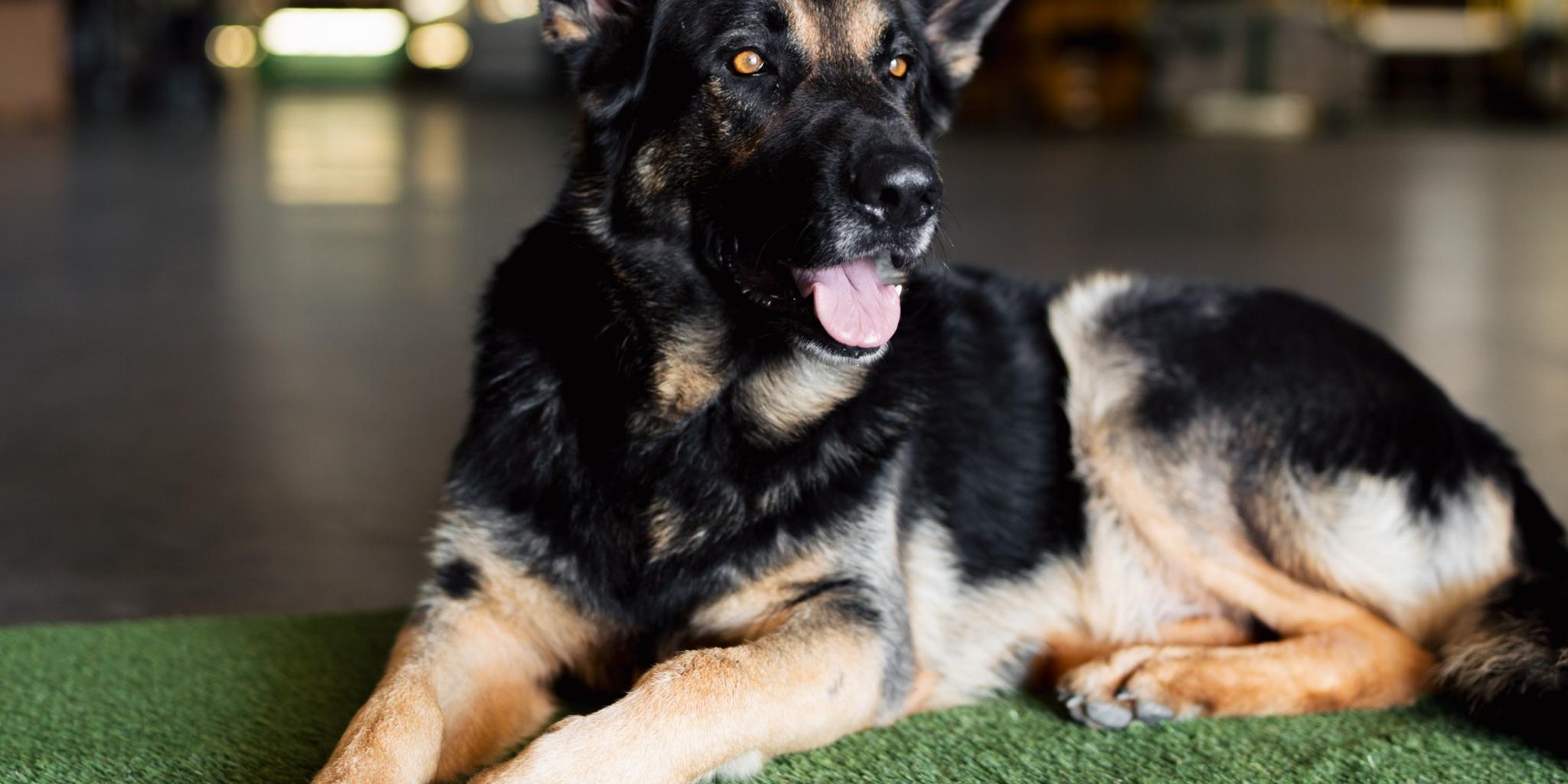
The Real Pros & Cons of Artificial Turf for Dogs
Dog owners, you know the struggle. Muddy paws tracked inside, yellow spots on the lawn, and holes dug in your favorite flowerbed. Keeping a yard beautiful can feel like a full-time job. This is where high-quality artificial turf for dogs offers a game-changing solution. It provides a clean, durable, and consistently green surface that eliminates mud and mess for good. But here’s the key: not all turf is created equal. A successful pet-friendly yard depends on choosing a complete system designed for drainage, durability, and safety, giving you a space that performs as well as it looks.
Key Takeaways
- Focus on the entire system, not just the turf: A truly dog-friendly yard relies on how the turf, infill, and base work together to manage drainage and prevent odors before they start.
- Choose turf with key pet-friendly features: Prioritize non-toxic materials for safety, antimicrobial properties to stop smells, and a shorter, denser pile height for easier cleanup and better durability.
- A professional installation makes maintenance simple: Starting with a solid, well-draining base is the most important step; it ensures your cleaning routine is as easy as scooping waste and rinsing the area regularly.
Is Artificial Turf Actually Safe for Dogs?a Safe Choice for Your Dog?
When you’re thinking about a new surface for your yard, your dog’s safety is probably the first thing on your mind. It’s a valid question, and the simple answer is yes, high-quality artificial turf is a perfectly safe choice for your four-legged family members. But not all turf is created equal. A truly dog-friendly yard depends on three key factors: the materials the turf is made of, how well it drains, and whether it’s tough enough to handle daily zoomies.
A safe turf system is designed from the ground up with pets in mind. This means using non-toxic materials that won’t harm your dog, incorporating a backing that allows liquids to pass through easily, and choosing durable fibers that can stand up to paws and claws. When these elements work together, you get a clean, resilient, and worry-free space for your dog to enjoy. Our PETMAXX® turf systems are engineered specifically to meet these standards, giving you peace of mind and giving your pet a beautiful place to play. It’s not just about the green top layer; it’s about the entire system, from the base preparation to the infill, working together to create a yard that performs as good as it looks.
Why Non-Toxic Materials Are a Must
The first checkpoint for any pet-friendly turf is its composition. You want to be absolutely sure the materials are non-toxic and completely free of harmful chemicals like lead. Reputable manufacturers prioritize safety and will clearly state that their products are safe for both pets and children. For example, our PETMAXX® turf is specifically designed to be non-toxic and lead-free, so you never have to worry about what your dog is sniffing, licking, or rolling around on. Always check the product specifications to confirm you’re choosing a turf that puts your pet’s health first.
The Role of Antimicrobial Tech in Odor Control
Let’s address the biggest concern most dog owners have: the smell. It’s a valid worry, but modern turf systems are engineered to prevent odors before they start. The key isn’t just rinsing away urine; it’s stopping the growth of the bacteria that causes the smell in the first place. This is where antimicrobial technology comes in. High-quality pet turf often has antimicrobial agents built directly into the fibers and backing. This technology works around the clock to inhibit the growth of bacteria, mold, and mildew, effectively neutralizing odors at the source. That’s why specialized pet turf systems like PETMAXX® are designed to stay cleaner and fresher, ensuring your yard remains a pleasant space for everyone.
Beyond Digging: An Unexpected Safety Benefit
While you’re probably excited about saying goodbye to muddy paws and holes in the yard, there’s another major safety benefit that often gets overlooked. A natural lawn requires a steady diet of fertilizers, pesticides, and weed killers to stay green and healthy—chemicals that can be harmful if ingested by curious pets. Artificial turf eliminates the need for these treatments entirely. This creates a worry-free zone where your dog can run and roll around without being exposed to potentially toxic substances. It also reduces their contact with common lawn allergens and pests, contributing to a healthier outdoor environment for your entire family.
How Proper Drainage Keeps Your Yard Clean
Proper drainage is non-negotiable for a clean and odor-free pet area. Quality artificial turf is designed with a permeable backing that allows liquids, especially pet urine, to drain through the surface and into the sub-base below. This prevents puddles from forming, keeps muddy paws at bay, and is your number one defense against lingering smells. A professional installation ensures the base underneath the turf, typically made of compacted crushed stone, is prepared correctly to manage waste and water effectively. This complete system is what keeps your yard fresh and usable every day.
Choosing a Turf That Stands Up to Paws and Claws
Dogs love to run, dig, and play, and their turf needs to be up for the challenge. Pet-friendly turf is engineered with durable fibers and a robust backing system that can resist the daily wear and tear from active pets. The blades are securely tufted into the backing to prevent them from being pulled out, and the material itself is tough enough to discourage digging. This durability ensures your lawn stays looking great for years, without developing holes or worn-out patches in your dog’s favorite spots. A well-built turf like PETMAXX® gives you a beautiful aesthetic without sacrificing performance.
Your Checklist for Dog-Friendly Artificial Turf
When you’re choosing artificial turf for a yard with dogs, not just any product will do. For product-level comparison, review PETMAXX 50 pet turf, PETMAXX 75 pet turf, and PETMAXX 90 for heavy-use dog areas. The right turf system is about more than just looking green; it needs to handle everything from zoomies to potty breaks without turning into a smelly, matted mess. The key is to look for features specifically designed for pets. A good pet-friendly turf focuses on four main areas: superior drainage to wash away urine, durable construction to withstand claws and digging, antimicrobial properties to stop odors before they start, and a comfortable, safe surface for your dog to enjoy.
Think of it as building a complete system. The turf itself is crucial, but so is the infill and the base preparation underneath. When all these components work together, you get a clean, resilient, and long-lasting lawn that both you and your furry friend will love. For example, our PETMAXX® turf systems are designed from the ground up with these needs in mind, combining maximum drainage, antimicrobial technology, and tough fibers to create the ideal pet-friendly environment. Choosing a specialized product line ensures you’re not just getting a patch of green plastic, but a high-performance surface built for real life with pets.
How to Keep Your Artificial Turf from Smelling
Let’s be direct: the biggest concern with pet turf is the smell. Dog urine contains ammonia, and when bacteria are allowed to thrive on the turf’s surface or in the backing, you get that persistent, unpleasant odor. The best way to handle this is to choose a turf with built-in antimicrobial protection. Look for products that incorporate antimicrobial additives directly into the yarn or backing during the manufacturing process. This technology works around the clock to inhibit the growth of bacteria, mold, and mildew, effectively stopping odors at the source. It’s a proactive solution that keeps your yard fresh and makes cleanup much simpler than just rinsing and hoping for the best.
Does Blade Height and Density Matter for Dogs?
The look and feel of your turf matter, but for pet areas, practicality is king. When it comes to blade height (or pile height), a shorter, denser construction is usually better. Turf with a pile height between 1 and 1.5 inches is typically ideal. Why? Shorter blades make it much easier to spot and clean up solid waste. They also allow for more thorough rinsing. A dense stitch rate adds to the durability, helping the turf withstand heavy paw traffic without looking worn down. While longer, plusher turf might feel luxurious, it can make cleanup more difficult and may not be as resilient against a dog’s daily antics. You can explore a variety of turf products to find the right balance of comfort and function.
Will Artificial Turf Burn Your Dog’s Paws?
We’ve all felt how hot asphalt can get in the summer, and some artificial turf can have the same problem. Dark-colored, dense turf can absorb and retain a lot of heat, making it uncomfortable and even unsafe for your dog’s paws on sunny days. To avoid this, look for turf made with heat-reflective technology. Products like our HEATMAXX® series use innovative pigments and yarn shapes to reflect infrared light, keeping the surface temperature significantly cooler than standard turf. Additionally, ensure the turf has excellent UV resistance. This protects the fibers from fading and becoming brittle over time, so your lawn stays green, soft, and safe for years to come.
How to Choose a Texture for Sensitive Paws
The texture of the turf blades can make a big difference in your dog’s comfort. Low-quality turf often has stiff, abrasive blades that can feel rough on sensitive paws. You want a surface that’s inviting for play and relaxation, not one your dog avoids. Look for turf made with soft, pliable polyethylene yarns that mimic the feel of natural grass. A quality product will have blades that are gentle to the touch but also resilient enough to spring back into place after being run on. Seeing examples in a project gallery can give you a better sense of how the finished product will look and feel, ensuring you choose a texture that’s perfect for your pet.
Artificial Turf vs. Real Grass: Which Is Better for Dogs?
When you have a dog, your yard is more than just a lawn; it’s a playground. Choosing between natural grass and artificial turf means weighing durability, cleanliness, and safety for your pet. Both have their advantages, so let’s break down how they compare on the issues that matter most to dog owners.
The Real Cost: Turf Investment vs. Grass Upkeep
Installing artificial turf has a higher upfront cost than sod, but it’s a long-term investment. A natural lawn requires constant spending on water, fertilizer, pesticides, and equipment. With quality turf, those recurring expenses disappear. You save money and get a beautiful yard without the constant financial drain. A durable system like our PETMAXX® series is built to last for years, making it a smart choice for your home and your wallet.
What to Expect for Turf Pricing
Let’s talk numbers. The cost of installing a high-quality pet turf system typically ranges from $10 to $20 per square foot, which covers everything from design and materials to professional labor. If you’re just looking at the turf material itself, you can expect prices to fall between about $2 and $4.50 per square foot for a durable, well-made product. While the initial price tag is higher than laying down sod, it’s helpful to see it as a one-time investment. You’re paying for a resilient, low-maintenance solution that eliminates the recurring costs of watering, fertilizing, and reseeding that come with a natural lawn. Over time, the convenience and savings make it a financially sound choice for many homeowners.
Factoring in the Cost of Infill and Accessories
The turf itself is only one piece of the puzzle. To create a system that performs well for pets, you also need to account for infill and other components. Infill is the granular material spread between the turf blades that provides stability, cushioning, and ballast. For pet areas, choosing the right infill is critical for managing odors and ensuring longevity. Beyond that, a properly prepared base of compacted crushed stone is essential for effective drainage, which is your best defense against smells. When you budget for your project, be sure to include these necessary infill and accessories, as they are what make the entire system work together seamlessly.
Why Ordering Samples is a Smart First Step
Before you commit to covering your yard, it’s a great idea to get your hands on some samples. A small swatch can tell you a lot about the final product. You can feel the texture to make sure it’s soft enough for sensitive paws, see the exact color in your yard’s natural light, and check the density and quality of the blades. This simple step helps you make a confident decision and ensures the turf you choose meets both your aesthetic goals and your dog’s needs. It bridges the gap between seeing a product online and knowing how it will actually look and perform at your home. You can contact us to get samples of our pet-friendly turf systems to find the perfect fit for your project.
Maintenance: Less Time Mowing, More Time Playing
A natural lawn demands a lot of time. Between mowing, weeding, and watering, your weekends can fill up with chores. Artificial turf gives you that time back for playing fetch. While it isn’t zero-maintenance, the upkeep is simple. You’ll need to rinse away urine, scoop solids, and occasionally brush the fibers. This maintenance routine is far less demanding than the constant work a natural lawn requires, giving you more time to enjoy your yard with your pet.
Enjoy a Perfect Yard, Whatever the Weather
A big frustration for dog owners is a yard that’s out of commission. Heavy rain turns grass into a mud pit, leading to messy paws inside. In extreme weather, that same lawn can become patchy and brown. Artificial turf offers a reliable surface 365 days a year. Thanks to superior drainage systems, like those in our AQUAMAXX® turf, liquids pass right through. This means no more muddy paws and a consistently green yard no matter the season.
Say Goodbye to Mud, Pests, and Allergies
A healthy pet starts with a healthy environment. Keeping natural grass green often requires fertilizers and pesticides, which can be harmful to pets. Artificial turf eliminates the need for these chemicals, creating a safer space for your dog to play. It also reduces exposure to common grass allergens and is less hospitable to pests like fleas and ticks. By switching to turf, you’re creating a cleaner and healthier outdoor space for your entire family to enjoy.
The Real Pros and Cons of Artificial Turf for Dogs
Why You’ll Love It: A Clean, Durable Yard
Let’s be honest, the biggest wins with artificial turf are a clean house and a yard that always looks great. You can say goodbye to muddy paw prints tracked through your home after it rains and frustrating holes dug in the lawn. Pet-specific turf systems are designed to solve these exact problems. They provide a durable, consistent surface that stands up to zoomies, rough play, and daily use. High-performance fibers and a robust backing system resist wear and tear from even the most active dogs. Best of all, your yard stays green and beautiful year-round, giving you and your pet a clean, safe space to enjoy without the constant upkeep of natural grass.
Let’s Clear Up Some Common Turf Myths
One of the biggest concerns I hear from dog owners is about odor. There’s a common myth that artificial turf will inevitably start to smell like a kennel, especially on hot days. The truth is, not all turf is created equal. Odor problems almost always come from a poor-quality system, specifically one with the wrong infill or inadequate drainage. Low-grade turf that uses sand or pea gravel as infill is notorious for trapping urine and creating unpleasant smells. A properly designed pet turf system, however, uses specialized infill and accessories with antimicrobial properties and a backing that allows liquids to drain through efficiently, keeping your yard fresh.
The Reality Check: Managing Heat and Upkeep
While there are many benefits, it’s important to be realistic about the downsides. Artificial turf can get hot in direct, intense sunlight, which is a valid concern for your dog’s paws. Choosing a turf with heat-reducing technology can make a significant difference in keeping the surface cooler. Also, “low-maintenance” doesn’t mean “no-maintenance.” You’ll still need a simple routine to keep things clean. This involves regularly removing solid waste and rinsing the area with a hose to wash away urine and prevent any potential odor buildup. It’s far less work than mowing, weeding, and fertilizing, but it’s a necessary step to keep your turf in top condition for years to come.
How to Choose the Perfect Turf System for Your Dog
Choosing the right artificial turf for a yard with dogs involves more than just picking something that looks green. You need a complete system that can handle everything from zoomies to potty breaks while staying clean, safe, and durable for years. The turf, backing, and infill all work together to create a space that both you and your pet will love. Let’s walk through the key components that make up a high-performing pet-friendly lawn, so you can confidently select a solution that meets your needs.
Finding the Right Turf Type for Your Needs
Not every dog needs the same kind of yard, and not every yard needs the same kind of turf. When you’re looking at different turf products, think about your dog’s size, energy level, and your climate. For most pet areas, a shorter, denser turf is the way to go. A pile height around 1 to 1.5 inches makes scooping solid waste simple and rinsing more effective. This is why specialized systems like our PETMAXX® series are so effective; they’re engineered with the right density and drainage capabilities from the start. If you live in a hot climate, you might also consider a product with cooling technology to keep paws comfortable.
What About Smaller Solutions like Pet Potty Pads?
If you don’t have a full yard to work with, or you just need a designated potty area, you’re not out of luck. Pet potty pads made with artificial turf are a fantastic solution for balconies, patios, or even for indoor use during potty training. These smaller systems offer the same key benefits as a full lawn installation: a durable surface, excellent drainage to handle liquid waste, and an easy-to-clean design that helps control odors. Just like with a full lawn, the quality of the materials is important. A well-made potty pad will use non-toxic turf and have a system that allows urine to pass through into a collection tray, keeping the surface clean and dry for your pet.
Why PETMAXX® Is Designed with Dogs in Mind
When a product is built with a specific purpose in mind, you can trust it to perform. Our PETMAXX® line was engineered from the ground up for dogs. We designed it to withstand heavy use, with high-performance fibers and a robust backing system that resists digging and daily wear. More importantly, PETMAXX® is non-toxic and lead-free, giving you peace of mind that your pets and children have a safe place to play. It’s the ideal foundation for any pet-focused project, delivering durability you can count on and a safe surface for the whole family.
Exploring Hybrid Turf: The Best of Both Worlds?
For some dog owners, the idea of completely giving up natural grass is a tough one. This is where hybrid turf comes in as an interesting alternative. It’s a unique system that combines a synthetic turf mesh with real grass, allowing natural blades to grow right through the artificial fibers. The main appeal is its incredible drainage; liquids like rain and dog urine pass directly into the soil below, which helps keep pet areas nearly odor-free and paws clean. This approach offers a blend of the soft feel of real grass with the added durability of synthetic turf. While it requires more maintenance than a fully artificial system like our PETMAXX® line, it can be a compelling middle ground for those who want to maintain a connection to a natural lawn while solving some of the biggest mud and durability issues.
What’s the Best Infill for Pet Turf?
Infill is the secret weapon for a fresh and clean pet turf system. While standard sand is an option, we highly recommend using an antimicrobial infill for any area frequented by pets. Products like Envirofill are designed to help control bacteria and prevent the ammonia odors from pet urine from building up. This simple choice makes a huge difference in long-term maintenance and keeps your yard smelling fresh. You can find a variety of infill and accessories that are perfect for creating a cleaner, healthier environment for your four-legged friends.
Finding a Great Turf Option for Your Budget
Creating a beautiful, pet-friendly yard shouldn’t have to break the bank. While specialized pet systems offer premium performance, we also have fantastic solutions for those working with a tighter budget. Our Value Series provides high-quality turf that is durable, great-looking, and perfectly suitable for light to moderate pet use. By pairing a product from this line with a good antimicrobial infill, you can still build a reliable and clean space for your dog. This approach allows you to get the benefits of artificial turf while keeping project costs in check.
How to Install and Maintain Your Pet-Friendly Turf
A great-looking, long-lasting pet turf system comes down to two things: a solid installation and a simple maintenance routine. When you get the foundation right, the upkeep is surprisingly easy. Following a few key steps will ensure your yard stays clean, safe, and beautiful for years, giving you and your furry friends a perfect outdoor space to enjoy without the mud and mess.
Step 1: Build a Solid Base with Proper Drainage
Everything starts from the ground up. For pet turf, a proper base is non-negotiable because it’s the key to drainage and odor control. The installation should include a compacted layer of crushed stone or decomposed granite. This sub-base allows liquids, especially pet urine, to drain through efficiently instead of pooling on the surface. Our PETMAXX® turf systems feature a highly permeable backing that works with this base layer, wicking moisture away quickly. This foundational work is the most important step in preventing bad smells and keeping your yard fresh.
Step 2: Secure the Edges to Keep Pups Safe
Dogs love to dig, so it’s essential to install the turf securely. During installation, the entire perimeter of the turf area must be firmly anchored. This prevents curious pets from lifting the edges and damaging the turf or the base underneath. Properly secured edges also eliminate tripping hazards. Just as important are the seams where two pieces of turf meet; they should be joined carefully to create a smooth and durable connection. A professional installation ensures every edge and seam is locked down, giving you peace of mind that your yard is safe and built to last.
Your Simple Plan for Cleaning and Maintenance
Keeping your pet turf clean is much easier than maintaining a natural lawn. Your routine is simple: first, remove any solid waste just as you would in a regular yard. Next, rinse the area regularly with a garden hose, especially in your pet’s favorite potty spots. This washes away urine residue and prevents odors from building up. For extra odor control, you can use a specialized infill for pet areas. Finally, to keep the turf blades looking perky, just brush them occasionally with a stiff, non-metal broom. No mowing or fertilizing required.
My Top Tips for Long-Lasting, Beautiful Turf
A beautiful pet-friendly yard is a long-term investment, and a little care goes a long way. The best tip is to start with the right materials. Choosing a durable, pet-specific turf system designed to handle wear and tear is your most important step. From there, consistency is key. Sticking to a simple rinsing and cleaning schedule will keep your yard looking and smelling fresh. Remember that artificial turf gives your dog a clean, mud-free place to play, which means fewer dirty paws inside. Following these practices ensures your turf looks great for years.
Related Articles
- Pet Turf Reviews: A Buyer’s Guide to the Best Lawn
- How to Choose the Best Synthetic Turf Products
- Synthetic Grass Solutions: The Ultimate Buyer’s Guide
- Does Artificial Grass Drain Well? An Expert Explains
Frequently Asked Questions
Will my yard smell bad if my dog uses the turf as a bathroom? This is the number one concern for most pet owners, and it’s a fair question. A properly designed pet turf system will not smell. Odor problems almost always happen when the wrong materials are used, particularly with poor drainage or the wrong infill. A complete system with a permeable backing that lets liquid pass through, a proper sub-base to manage drainage, and an antimicrobial infill is the key. These components work together to prevent the bacteria that cause odors from ever taking hold.
Is artificial turf too hot for my dog’s paws in the summer? Some types of turf can get warm in direct sunlight, but technology has come a long way to solve this. To keep your pet comfortable, look for turf specifically made with heat-reflective technology. These products use special pigments and yarn shapes to reflect sunlight instead of absorbing it, which can keep the surface significantly cooler than standard turf. Choosing a lighter color can also help.
What does cleaning and maintaining pet turf actually involve? The upkeep is refreshingly simple. Your main tasks are to remove solid waste just as you would with a regular lawn and to rinse the area with a hose, paying extra attention to your dog’s favorite potty spots. Rinsing regularly washes away any residue and is your best tool for keeping the yard fresh. Occasionally, you may want to use a stiff brush (not a metal one) to fluff up the fibers in high-traffic areas, but that’s about it.
What makes pet-friendly turf different from any other artificial grass? While any turf is better than mud, a true pet-friendly system is engineered with a few key differences. It features maximum drainage capabilities, often with a fully permeable backing, to handle pet urine effectively. The construction is also more durable, with strong fibers and a robust tuft bind to withstand digging, scratching, and constant running. Many pet-specific products also include antimicrobial agents built directly into the materials to help stop odors before they start.
How long will artificial turf last with an active dog? A high-quality turf system is a long-term investment built to handle years of heavy use. The lifespan depends on the quality of the turf and the installation, but a well-made product designed for pets can easily last for 15 years or more. The durable fibers and strong backing are made to resist the wear and tear from paws and claws, so you get a beautiful, functional yard that stands the test of time.
Leave a Reply