


The Essential Guide to Synthetic Turf Maintenance
Your clients love their new lawn, but will they still love it in five years? The difference often comes down to one thing: proper care. While synthetic turf is low-maintenance, it’s definitely not no-maintenance. A solid synthetic turf maintenance routine is the secret to preventing matted fibers, trapped odors, and unhappy customer callbacks. This guide gives you everything you need to educate your clients, ensuring your hard work looks pristine for years to come.
This guide covers everything from weekly upkeep to seasonal deep cleans, with product-specific tips from the people who actually manufacture the turf. Whether you have a backyard lawn, a pet area, or a commercial installation, these steps apply.
Your Go-To Weekly Turf Cleaning Routine
Most synthetic turf issues come from neglecting simple weekly tasks. Build these into a 15-minute routine and your turf will stay in top condition for years.
Immediate Post-Installation Care
The work isn’t quite done once the last blade of turf is in place. The first few days after installation are critical for ensuring your new lawn settles correctly and performs beautifully for years to come. Think of it like letting a new coat of paint dry—patience in the beginning prevents a lot of headaches later. This initial settling period allows adhesives to cure, the turf to relax, and the entire system to acclimate to its new environment. Rushing this step can lead to shifting seams or an uneven surface, which are frustrating and avoidable issues. Giving your turf the time it needs to settle is the first and most important step in its long-term care.
Beyond the seams, the infill and turf fibers also need this time. The infill, which is brushed into the turf during installation, provides ballast, protects the backing from UV rays, and helps the blades stand upright. It needs a moment to settle deep into the base of the turf system without being disturbed by foot traffic. At the same time, the turf fibers themselves have been tightly rolled for shipping and need to decompress. Leaving the area untouched allows the blades to relax and begin to stand up naturally, giving you that lush, full look. This initial hands-off period sets the stage for a stable, resilient, and great-looking surface.
The First 24 Hours: Let it Settle
The most important rule for the first day is simple: stay off the grass. We know it’s tempting to walk on your perfect new lawn, but it’s essential to give it a full 24 hours to set. During the installation process, seams are secured with specialized adhesives that need uninterrupted time to cure and form a strong, permanent bond. Walking on the turf too soon puts pressure on these seams, causing them to shift or separate before they’ve fully dried. This can compromise the look and integrity of the entire project. So, keep kids, pets, and patio furniture off the surface for at least one full day to ensure everything stays exactly where it’s supposed to.
Start with a Simple Hose-Down
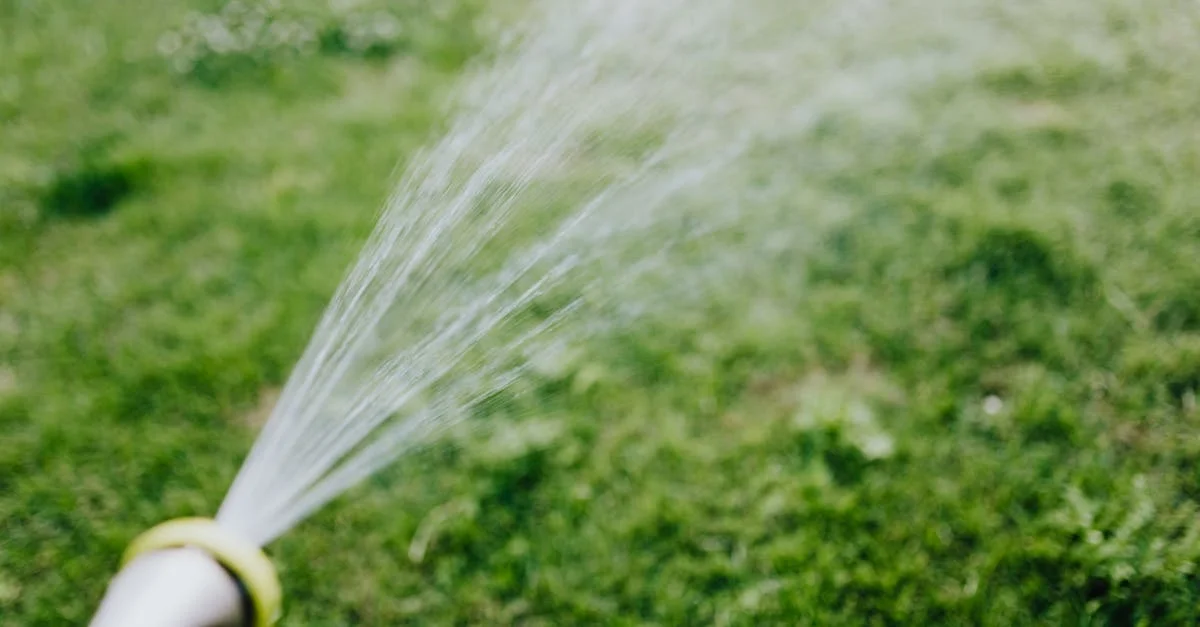
Dust, pollen, and light debris accumulate fast, especially in dry or windy climates. A weekly rinse with a garden hose flushes particles out of the fibers and through the backing. Use a fan-tip nozzle for even coverage without high pressure that could displace infill.
In hot regions, a quick rinse also cools the surface temperature, which is particularly effective on AQUAMAXX turf with drainage rates exceeding 600 inches per hour.
Brush to Keep Blades Standing Tall
Foot traffic, furniture, and play gradually flatten turf blades. A stiff-bristle push broom or a plastic-tine rake restores the upright position and distributes infill evenly.
Key rules:
- Brush against the grain (opposite the blade’s natural lean)
- Use synthetic bristles only – metal rakes can damage fibers
- Focus on high-traffic zones: walkways, play areas, pet paths
Clear Away Leaves and Debris
A leaf blower on a low setting clears organic debris without disturbing infill. For smaller areas, a plastic rake works fine. The goal is to keep organic material from decomposing on the surface, which can cause discoloration and promote weed growth along seams.
Tackling Stains on Your Artificial Turf
Spills happen. The good news: synthetic turf fibers are non-porous, so most stains sit on the surface and clean up easily if you act quickly.
The Basic Steps for Most Spills
- Blot the spill immediately with a clean cloth or paper towel. Do not rub – rubbing pushes the stain deeper into the infill.
- Mix a mild household detergent (dish soap works) in warm water – about one teaspoon per gallon.
- Apply the solution to the stained area and let it sit for 3-5 minutes.
- Rinse thoroughly with clean water.
- Blot dry and brush the fibers upright.
What About Stubborn Stains?
| Stain Type | Solution | Notes |
|---|---|---|
| Grease / Oil | Mineral spirits on a cloth, then soap rinse | Test a small area first |
| Chewing gum | Apply ice to harden, then scrape off | Use a plastic scraper only |
| Paint (water-based) | Soap and warm water while wet | Dried paint may need mineral spirits |
| Ink / Marker | Isopropyl alcohol on a cloth | Blot, do not scrub |
| Tree sap / Adhesive | Mineral spirits or citrus-based cleaner | Rinse thoroughly after |
| Mold / Mildew | 1:1 white vinegar and water | Spray, wait 10 min, rinse |
What not to use: Avoid bleach, harsh chemical cleaners, and pressure washers above 1,500 PSI. These can fade fiber color, break down backing materials, and void warranties.
Keeping Your Turf Pet-Friendly and Clean
If you have pets, turf maintenance takes on an extra layer. The key is choosing the right turf and staying consistent with cleanup.
Picking Up Solid Waste
Pick up solid waste promptly with a bag or scooper, just as you would on natural grass. Hose down the spot afterward to flush any residue through the drainage system.
How to Neutralize Urine Smells
Pet urine passes through quality turf and drains away, but residual bacteria in the infill can create odor over time. Here is a proven three-step approach:
- Rinse the area with a hose immediately when possible
- Apply a 50/50 mix of white vinegar and water to neutralize bacteria
- Rinse again after 5-10 minutes
For heavy pet-use areas, turf with built-in antimicrobial protection makes a significant difference. PETMAXX turf is engineered with Microban antimicrobial technology and carries a 16-year odor warranty. The combination of fast drainage (500-1,000+ inches per hour) and antimicrobial fiber treatment means less odor buildup between cleanings.
Why Enzymatic Cleaners Are Your Best Friend
For persistent odor in heavily used pet areas, use an enzyme-based turf cleaner rather than vinegar. Enzymatic cleaners break down the organic compounds that cause odor at the molecular level, rather than just masking the smell.
Apply monthly in high-traffic pet zones, or bi-weekly during warm months when bacteria multiply faster.
Infill Maintenance: The Step Most People Skip
Infill is the material between the turf blades that provides cushion, ballast, and (in some cases) antimicrobial protection. Neglecting infill is the number-one cause of premature turf degradation.
How to Check Your Infill Levels
Infill naturally settles and redistributes over time. Every 3-6 months, inspect your turf by parting the blades and checking that infill reaches roughly halfway up the fiber height.
Signs of low infill:
- Fibers laying flat despite brushing
- Uneven or spongy feel underfoot
- Visible backing material
- Increased heat retention
When and How to Add More Infill
When levels drop, add infill material to restore proper depth. Spread it evenly with a drop spreader, then brush the turf to work the granules down between the blades.
The Benefits of Antimicrobial Infill
Standard silica sand infill does the job for basic cushioning. But for pet areas, playgrounds, and any surface where hygiene matters, EnviroFill with Microban provides continuous antimicrobial protection that inhibits 99% of bacteria growth on the infill surface.
EnviroFill is also dust-free and rounded, which means it will not damage turf fibers over time the way angular silica can. It is the infill we recommend for any pet or child play application.
Essential Tool and Chemical Safety
Proper maintenance is as much about what you don’t do as what you do. Using the wrong tools or chemicals can cause irreversible damage to turf fibers and backing, leading to costly repairs and voided warranties. Before you tackle a tough stain or a deep clean, make sure you understand the basic safety rules that protect your investment. These guidelines are simple, but ignoring them is one of the fastest ways to degrade a high-quality turf system. Following these steps ensures your turf stays safe, functional, and looking its best for its entire lifespan.
A Warning About Power Washers and Infill
While a pressure washer seems like a quick fix for dirt and grime, it can do more harm than good on most synthetic turf systems. The high-pressure stream of water is powerful enough to displace or blow away the infill granules that sit between the turf blades. This infill is essential for keeping the fibers upright, providing cushioning, and protecting the backing from UV exposure. Once it’s gone, the turf will look flat and matted, and the fibers will wear down much faster. If your turf does not have infill, a power washer on a low setting (under 1,500 PSI) is generally okay, but for the vast majority of installations, a standard garden hose with a spray nozzle is the safest and most effective tool for rinsing.
Avoiding Heat Damage from Equipment
Synthetic turf fibers are a type of plastic, which means they can melt or warp when exposed to high heat. This is a critical safety point when using gas-powered maintenance equipment like leaf blowers or power brooms. Never let the hot exhaust from these tools point directly at the turf surface, and never set a hot tool down on the grass. The heat can easily fuse the blades together, creating shiny, matted spots that can’t be repaired. When using a leaf blower, keep the nozzle at a safe distance and at an angle to avoid both heat damage and displacing the infill. Always let equipment cool down on a hardscape surface like a driveway or patio before storing it near your turf.
Keeping Fire and Harsh Chemicals Away
This might seem obvious, but it’s worth repeating: keep all open flames and harsh chemicals far away from your synthetic turf. This includes cigarettes, fireworks, barbecue grills, and fire pits. A stray ember can melt a permanent hole in the turf in seconds. Similarly, chemicals like gasoline, motor oil, paint thinners, and strong acids will stain and degrade the turf fibers and backing. If you’re working on a project nearby, cover the turf with a protective tarp to shield it from accidental spills. For cleaning, stick to mild household detergents, vinegar solutions, or specialized turf cleaners to avoid discoloration or material breakdown.
Using Edging Tools with Caution
A clean edge between your turf and adjacent garden beds or walkways keeps your installation looking sharp. However, be extremely careful when using tools like string trimmers or mechanical edgers along the perimeter. It’s very easy to accidentally catch the edge of the turf, pulling up fibers or even tearing the backing material. This can cause the edges to fray or lift over time, creating a tripping hazard and allowing weeds to creep in. When possible, use a manual edging tool for more control, or run your string trimmer vertically and slowly to create a clean line without damaging the turf itself. A careful approach here prevents the need for future installation repairs.
Preventative Care to Minimize Cleaning
The easiest way to keep your turf clean is to stop messes before they start. A few simple preventative measures can dramatically reduce the time you spend on maintenance, especially for high-traffic commercial properties, sports fields, or active family yards. By setting some ground rules and keeping good records, you can address small issues before they become big problems. This proactive approach not only saves you time and effort but also extends the life of your turf by minimizing exposure to stains, organic debris, and other potential contaminants. It’s about working smarter, not harder, to maintain your surface.
Establishing Ground Rules for Use
For shared spaces like playgrounds, sports fields, or commercial common areas, establishing clear rules of use is the most effective preventative step you can take. Prohibit chewing gum, sunflower seeds, and chewing tobacco on the surface, as these items are difficult to remove once they get ground into the fibers and infill. Placing clearly marked trash and recycling bins in convenient locations encourages users to dispose of waste properly instead of leaving it on the turf. For residential lawns, these same principles apply—try to keep messy art projects or oily foods on the patio to avoid stubborn stains later on.
The Importance of a Maintenance Log for Your Warranty
Keeping a simple log of your maintenance activities is a crucial but often overlooked step. Documenting when you rinse, brush, and deep-clean your turf provides a valuable record of care. This log can be essential if you ever need to make a warranty claim. Manufacturers often require proof of regular maintenance to ensure that any issues aren’t due to neglect. For our dealer partners and installers, providing clients with a maintenance schedule and logbook is a professional touch that protects both the client’s investment and your reputation. It sets clear expectations and demonstrates a commitment to long-term performance.
Sanitizing and Disinfecting Your Turf
In areas with heavy use by pets or children, regular sanitizing is an important part of preventative care. While routine rinsing removes surface dirt, it doesn’t always kill bacteria or other germs. Periodically applying a turf-safe disinfectant helps maintain a hygienic surface for play. This is especially important during warm, humid months when bacteria can multiply more quickly. For the ultimate peace of mind, consider turf systems designed with hygiene in mind from the start. Products like our PETMAXX® turf with built-in antimicrobial technology inhibit germ growth on the fibers, making your cleaning routine even more effective.
A Seasonal Guide to Deep Cleaning Your Turf
Beyond weekly maintenance, a structured seasonal routine keeps your turf performing at its best year-round.
Spring Refresh
- Full debris removal: Clear accumulated leaves and organic material from winter
- Infill inspection: Check levels after freeze-thaw cycles may have shifted material
- Seam check: Inspect all seams and edges for lifting or separation
- Deep rinse: Flush the entire surface to remove pollen and allergen buildup
Summer Upkeep
- Increased rinsing: In hot climates, rinse 2-3 times per week to cool the surface and flush dust
- Pet area focus: Increase enzyme treatments to bi-weekly during peak heat
- Brush high-traffic zones: Weekly brushing in areas of heavy summer use
- UV check: Inspect for any unusual fading (should not occur with quality turf under warranty)
Fall Cleanup
- Leaf management: Stay on top of falling leaves – decomposing organic matter is the biggest fall threat
- Gutter runoff: Check that gutter drainage is not depositing sediment onto the turf
- Pre-winter brush: Give the entire surface a thorough brushing before cold weather arrives
Winter Prep
- Snow removal: Use a plastic shovel or snow blower. Never use metal blades on synthetic turf
- Avoid salt and ice melt: Chemical de-icers can damage fibers and infill. Let snow melt naturally, or use a gentle rinse with warm water
- Minimal traffic: Frozen turf fibers are more brittle – reduce heavy foot traffic when temperatures drop below freezing
Maintenance for Athletic Fields
Athletic fields are a different beast entirely. The maintenance routine for a sports field goes beyond aesthetics; it’s about ensuring player safety, consistent performance, and protecting a significant investment. While synthetic turf offers huge advantages over natural grass in terms of durability and uptime, it is absolutely not maintenance-free. A dedicated care plan is essential to keep the surface safe and playable. Regular grooming, infill management, and surface testing are non-negotiable tasks that prevent injuries, extend the field’s lifespan, and ensure it performs as designed. Neglecting these steps can lead to a hardened surface, reduced shock absorption, and premature wear on the turf system.
Focusing on Player Safety and Performance
For any athletic application, the primary goal of maintenance is to keep the field safe and predictable for athletes. This means ensuring the surface provides stable footing, proper energy restitution, and adequate shock absorption. Regular grooming with specialized equipment keeps the turf fibers upright and the infill evenly distributed, which is critical for ball roll and player stability. It also involves routine inspections for any damage, loose seams, or foreign debris that could pose a hazard. A well-maintained field, like those built with our SPORTMAXX® systems, is designed for high performance, but that performance relies on consistent upkeep to meet safety standards day in and day out.
Why Gmax Testing is Non-Negotiable
Surface hardness, or Gmax, is a critical measurement of a field’s ability to absorb impact. Think of it as a safety rating for preventing head injuries. Over time, infill can become compacted, causing the surface to harden and lose its cushioning properties. Gmax testing measures this hardness to ensure it remains within safe limits. According to safety advocates like Safe Healthy Playing Fields, this test should be performed at least once a year by a qualified professional. Failing to monitor Gmax levels not only puts athletes at risk but can also create liability issues for the facility owner. It’s a proactive step that validates the safety of your playing surface.
Replacing Lost Infill to Prevent Injury
Infill is the heart of an athletic turf system. It provides the cushioning that protects players during falls, supports the turf fibers, and gives the field its grass-like feel. High-traffic areas, like goal mouths or sidelines, naturally lose infill over time through play and weather. When infill levels drop, the field becomes harder, the risk of abrasive injuries increases, and the turf fibers lose support, causing them to wear down faster. Regularly checking infill depth and topping it off as needed is arguably the most important maintenance task for an athletic field. Neglecting infill is the number-one cause of premature turf failure and directly compromises player safety.
Troubleshooting Common Turf Issues
Even with a perfect maintenance routine, you might run into a few common issues like static, stubborn weeds, or minor damage. Most of these problems have simple fixes that don’t require a professional service call. Knowing how to handle them quickly keeps your turf looking and feeling its best. The key is to address these small issues before they become bigger problems. For example, a small weed on a seam is easy to pull, but letting it establish a root system can compromise the seam’s integrity over time. Here’s how to tackle one of the most frequent annoyances: static electricity.
How to Handle Static Electricity
In dry, low-humidity climates, static electricity can sometimes build up on synthetic turf surfaces, causing a surprising little shock when you touch it. This is completely normal and easy to resolve. You don’t need any special chemicals or equipment to fix it. A simple, effective DIY solution is to mix one part liquid fabric softener with three parts water in a standard garden sprayer. Make sure to use a fragrance-free variety to avoid attracting insects. Lightly spray the mixture across the turf surface. This will dissipate the static charge immediately and should prevent it from returning for several weeks or months, depending on your climate.
How Drainage Affects Your Maintenance Routine
Turf with poor drainage creates standing water, which leads to mold, odor, and infill compaction. Good drainage means less cleaning effort overall.
The drainage rate of your turf directly determines how much residual moisture you deal with. Standard polyethylene turf drains at 30-50 inches per hour. AQUAMAXX products drain at 600+ inches per hour, which means pet urine, rinse water, and rain pass through almost instantly.
Why this matters for maintenance:
- Faster drainage = less standing moisture = less bacterial growth
- Better drainage = infill stays drier = less compaction
- Superior drainage = fewer odor issues = reduced cleaning frequency
If you are in a high-rainfall area or have pets, drainage performance should be a primary factor in your turf selection. It is the single specification that most affects long-term maintenance effort.
DIY vs. Pro: What’s Right for Your Turf?
Most synthetic turf maintenance is DIY-friendly. Here is when each approach makes sense:
The DIY Approach (Weekly & Monthly Tasks)
- Rinsing, brushing, debris removal
- Spot stain cleaning
- Pet waste management and enzyme treatments
- Infill level checks
Estimated time: 15-30 minutes per week for a typical residential installation
When to Call in the Professionals
- Power brushing to fully rejuvenate matted fibers
- Deep infill cleaning and redistribution
- Seam repairs
- Antimicrobial treatment of the full surface
- Infill replacement when levels are critically low
When to call a pro: If your turf shows persistent odor despite regular cleaning, significant matting that manual brushing does not fix, or visible backing through depleted infill, a professional deep clean is worth the investment.
Frequently Asked Questions
How often should you clean synthetic turf?
A light rinse and debris removal once a week is sufficient for most residential installations. Pet areas benefit from daily spot-cleaning and a more thorough weekly rinse. Schedule a deep clean every 3-6 months depending on usage and climate.
Can you pressure wash synthetic turf?
You can, but keep the pressure below 1,500 PSI and use a wide fan tip. High-pressure settings can displace infill, damage fiber tufting, and compromise the backing. A standard garden hose handles most cleaning tasks without risk.
What is the best cleaner for artificial turf?
For routine cleaning, mild dish soap diluted in warm water works for most stains. For pet odor, white vinegar (50/50 with water) or an enzyme-based turf cleaner is most effective. Avoid bleach, ammonia-based cleaners, and harsh chemicals that can degrade turf fibers.
Does artificial turf get moldy?
Mold can develop on synthetic turf if organic debris (leaves, food, pet waste) is left sitting on the surface in damp conditions. Regular debris removal and adequate drainage prevent mold growth. If mold appears, a 50/50 vinegar-water spray followed by a thorough rinse removes it.
How long does synthetic turf last with proper maintenance?
Quality synthetic turf lasts 15-20 years with consistent maintenance. Go Green products carry a 15-year prorated warranty. Neglected turf can show significant wear within 5-8 years, primarily from infill loss, fiber matting, and drainage failure.
Is synthetic turf safe to clean around pets and children?
Yes. Stick to mild, non-toxic cleaning solutions: dish soap, white vinegar, or enzyme-based turf cleaners designed for pet areas. These are safe for pets and children once the area has been rinsed. Avoid chemical cleaners that leave residue.
Keep Your Turf Performing Like New
Consistent maintenance protects your investment and keeps your synthetic turf looking and performing the way it should. The routine is straightforward: rinse, brush, manage debris, and stay ahead of pet waste.
If you are choosing new turf or need to replace aging product, the turf system you select determines how much maintenance you will face long-term. Products with faster drainage, antimicrobial protection, and quality fiber construction require less effort to keep clean.
Browse Go Green’s full product line to find the right turf system for your project, or contact our team for product recommendations based on your specific application.
Key Takeaways
- Establish a weekly routine: A simple 15-minute habit of rinsing, brushing against the grain, and clearing away debris is the best way to prevent matted fibers and keep your turf looking pristine.
- Prioritize infill maintenance: Infill is critical for keeping turf blades upright, providing cushion, and ensuring safety. Check the depth every few months and add more when needed to prevent premature wear.
- Clean safely and effectively: Stick to simple solutions like mild soap or vinegar for most issues. Avoid high-pressure washers, hot equipment, and harsh chemicals that can cause permanent damage and void your warranty.
Leave a Reply