


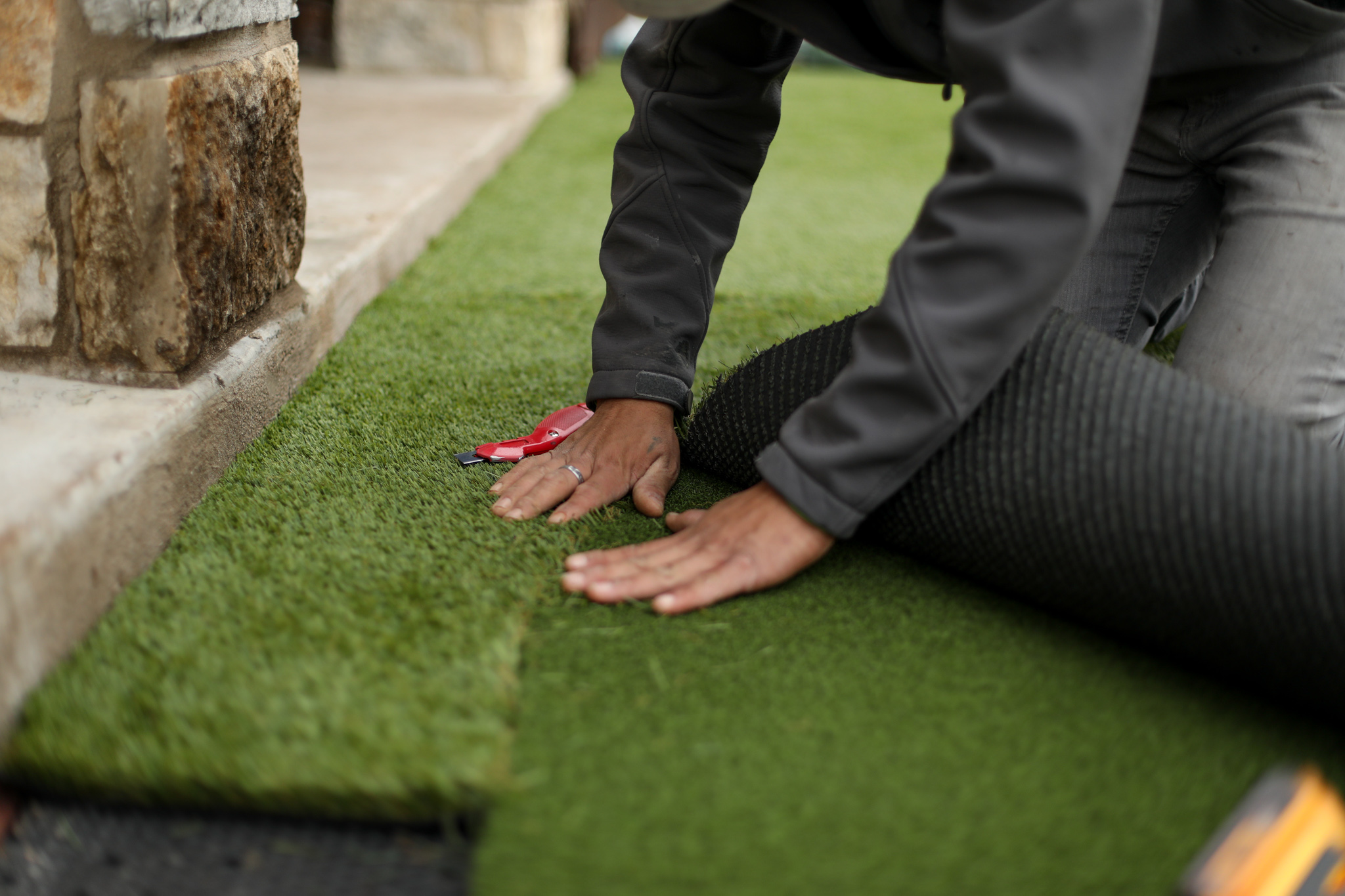
Synthetic Turf Installation: A Step-by-Step Guide
A successful synthetic turf installation comes down to the details. Get them wrong, and you’re left with problems that are difficult and costly to fix. We’re talking about an uneven base that creates puddles or mismatched grain direction that makes seams stick out—small mistakes with a big impact. This isn’t about scaring you; it’s about getting it right the first time. We’ve seen it all, and we want to help you avoid those common pitfalls. This guide walks through the most frequent installation errors and provides clear, simple solutions to ensure your project is a success.
Key Takeaways
- Build your turf on a solid foundation: The most critical step for a long-lasting lawn is preparing the base correctly. This involves creating a slight slope for drainage and compacting permeable materials to prevent future dips and puddles.
- Keep your turf looking new with simple, consistent care: Although you can forget the mower, a routine of rinsing away dust and brushing high-traffic areas is essential to prevent matting and preserve the look of your lawn.
- The details determine a professional finish: For a flawless look, always make sure the grain direction is consistent across all turf pieces and select the right infill for your project’s specific needs, like heat reduction or pet use.
Is Synthetic Turf Better Than Real Grass?
Choosing between synthetic turf and natural grass involves more than just looks. It’s a decision about maintenance, long-term costs, and how you want to use your space. While a lush, green lawn is the goal for both, the path to getting there is completely different. Natural grass requires a constant cycle of watering, mowing, and fertilizing. Synthetic turf, on the other hand, is an upfront investment that provides a consistent, low-maintenance surface for years. Let’s break down exactly what sets them apart.
What Is Synthetic Turf Actually Made Of?
If you’re picturing the stiff, plastic-looking turf of the 1970s, it’s time for an update. Many of the old myths about artificial grass come from a time when it was made very differently. Today’s synthetic turf is engineered with soft, pliable fibers, often made from polyethylene or polypropylene, that look and feel remarkably like real grass. These fibers are stitched into a durable, permeable backing that allows for excellent drainage. The result is a wide range of turf products designed for everything from pristine lawns to heavy-duty pet areas, offering a realistic and comfortable surface.
Which Holds Up Better: Turf or Grass?
While synthetic turf requires far less work than a natural lawn, it isn’t completely maintenance-free. You’ll still need to rinse it occasionally to clear away dust and pollen and use a stiff brush to keep the fibers upright in high-traffic areas. However, you can say goodbye to mowing, weeding, and fertilizing. One common concern is heat. Turf can get warmer than natural grass in direct sun, but modern turf technology includes solutions like our HEATMAXX® SOFT line, which is designed to stay cooler. Plus, a quick spray with a hose can cool the surface down instantly on hot days.
How Long Will Your Turf Last?
A professionally installed synthetic lawn is a long-term solution. With proper care, you can expect your turf to last 15 to 20 years or even longer. Over its lifespan, artificial turf is often two to three times more economical than natural grass when you factor in the costs of water, fertilizer, and lawn equipment. The key to longevity is a quality product and a flawless installation, which ensures the base is stable and the drainage is effective. Think of it as an investment that pays you back with years of beautiful, hassle-free green space.
Why You’ll Love Having a Synthetic Lawn
Choosing between natural grass and synthetic turf often comes down to a simple question: How do you want to spend your time and money? While a natural lawn has its charm, it demands constant work, from mowing and watering to weeding and fertilizing. Synthetic turf offers a practical, beautiful alternative that solves many of the headaches associated with traditional landscaping. For installers, this means offering clients a reliable, long-term solution that leads to fewer callbacks and more referrals. For homeowners, it means gaining a consistently gorgeous lawn without the endless weekend chores.
The real value of artificial grass lies in its blend of performance, aesthetics, and convenience. It’s an investment that pays off by giving you a functional, attractive space that stands up to real-world use, from kids’ soccer games to pets running around. Modern turf systems are engineered to handle everything from intense sun and heavy rain to high foot traffic, all while maintaining a lush, green appearance. When you choose a quality synthetic turf system, you’re not just buying a product; you’re investing in a better-looking, lower-maintenance lifestyle that adds value to your property and gives you back your free time.
Save Water and Get Your Weekends Back
One of the most immediate benefits of switching to synthetic turf is the end of constant yard work. Imagine a weekend without mowing, weeding, or fertilizing. Artificial grass doesn’t need to be watered to stay green, which can lead to significant savings on your water bill, especially in dry climates. This also makes it a more environmentally friendly choice for water conservation. Instead of spending your Saturdays behind a lawnmower, you can enjoy your yard. For installers, this is a powerful selling point that resonates with busy homeowners who value their free time and want a simple, beautiful outdoor space.
Count on Durability, Rain or Shine
A natural lawn can be unpredictable. A heavy downpour can turn it into a mud pit, while a dry spell can leave it brown and patchy. Synthetic turf is built for consistency and resilience. It can withstand heavy foot traffic and harsh weather without showing wear and tear. High-quality turf systems, like our PETMAXX® line designed for pets, can last for 15 years or more with proper care. This durability makes it an excellent long-term solution for everything from residential backyards to commercial common areas and sports fields, ensuring your investment looks great for years to come.
Enjoy a Picture-Perfect Lawn Year-Round
With synthetic turf, your lawn looks lush, green, and perfectly manicured every single day, regardless of the season. You can say goodbye to brown spots, uneven patches, and pest problems. The consistent beauty enhances your home’s curb appeal and creates an inviting space for family and friends. Modern artificial grass is also designed with safety in mind, providing a clean and allergen-free surface for kids and pets to play on. Take a look at our project gallery to see how a flawless green lawn can transform any property, providing a beautiful backdrop for daily life all year long.
DIY vs. Professional Installation: Understanding the Costs
One of the biggest questions for any turf project is whether to hire a professional or tackle the installation yourself. The answer often comes down to balancing your budget with your timeline and comfort level. A DIY installation can offer significant upfront savings, but it requires time, physical labor, and careful attention to detail. A professional installation costs more initially but provides peace of mind, expertise, and a guarantee that the job is done right. There’s no single right answer, but understanding the financial breakdown of each path will help you decide which is the best fit for your project and your wallet.
Installation Costs and Savings
When you look at the numbers, it’s important to consider both the immediate cost of installation and the long-term financial benefits. The initial price tag for a professional job can seem high, but it includes materials, labor, and the assurance of a flawless finish. On the other hand, a DIY project trades that higher cost for your own time and effort. Let’s break down how these costs compare and where the real savings come from over the life of your lawn.
Comparing DIY and Professional Quotes
The most significant advantage of a DIY installation is the potential for upfront savings. By handling the labor yourself, you can cut the total project cost by more than half. For example, one homeowner documented receiving a professional quote of $11,000 for a 700-square-foot area. By doing the work themselves, their total cost came to about $4,000—a savings of $7,000. While this is a compelling difference, it’s important to remember that this path requires renting equipment, managing material delivery, and committing to a physically demanding process. Before you decide, it’s a good idea to review a detailed installation guide to understand exactly what the job entails.
Long-Term Maintenance Savings
Regardless of whether you choose DIY or professional installation, the long-term savings are where synthetic turf truly shines. The initial investment pays for itself over time through the elimination of recurring lawn care expenses. When you factor in the costs of watering, fertilizing, and maintaining lawn equipment, artificial turf can be two to three times more economical than a natural grass lawn over its lifespan. You’re not just buying a beautiful lawn; you’re investing in a low-maintenance solution that saves you money year after year. For homeowners who decide a professional installation is the right path, our partner program can connect you with trusted installers in your area.
What You Need for a DIY Synthetic Turf Installation
A professional-grade turf installation starts long before you roll out the green. Gathering the right tools and materials ahead of time is the secret to a smooth process and a flawless, long-lasting result. Whether you’re a seasoned installer or a DIY-savvy homeowner, having everything on hand prevents delays and ensures each step, from the base layer to the final brushing, is done correctly. This checklist covers the essentials you’ll need to build a beautiful, durable synthetic lawn that performs as good as it looks.
Must-Have Materials for Laying Turf
Your turf is only as good as the foundation it sits on. Start with a solid base of 3/4-inch base rock, compacted to about three inches deep. On top of that, add a layer of decomposed granite for a smooth, firm surface. To prevent unwanted growth, lay a high-quality weed fabric between the rock and granite layers. If you live in an area with gophers or other burrowing pests, installing gopher wire is a smart move to prevent bumps and tunnels from forming later. Finally, you’ll need the right infill and accessories to weigh down the turf, help the blades stand upright, and keep the surface cool.
Choosing the Right Infill
Think of infill as the essential finishing touch that brings your turf system to life. It’s more than just a filler; it’s a crucial component that adds weight to hold the turf in place, helps the grass blades stand tall and look natural, and provides a soft, cushioned feel underfoot. The type of infill you choose depends entirely on how you’ll use the space. For general landscape applications, silica sand is a common choice. However, for areas with pets or kids, an antimicrobial infill like Envirofill is a fantastic option because it helps reduce odors and keeps the surface cleaner. For athletic fields or play areas, a rubber infill can provide extra shock absorption. Selecting the right infill ensures your turf performs exactly as you need it to.
Securing Your Turf: Nails and Staples
The final step to lock everything in place is securing the perimeter and seams of your turf. This prevents the edges from lifting and keeps the entire installation stable and secure. You can use either 6-inch non-galvanized nails or landscape staples for this job. Drive them in every 3 to 6 inches around the entire perimeter, placing them about a half-inch in from the edge. Along the seams, you’ll want to do the same to ensure they remain tight and invisible. A pro tip is to carefully separate the turf blades before hammering in each nail or staple. This allows the fastener head to sit below the blades, hiding it from view and preventing any divots or dimples on the surface.
Tools That Make Turf Installation Easier
The right tools make every part of the job easier and more precise. You’ll need a turf knife or a sharp utility knife to trim the turf edges and cut pieces to size. To secure the perimeter and any seams, have plenty of 5- to 6-inch, non-galvanized nails on hand. A vibrating plate compactor is essential for creating a firm, level base that won’t shift over time. For the final step, a power broom is the best way to work the infill into the turf fibers and give the lawn a uniform, manicured appearance. Following a proper installation guide will help you use these tools effectively.
Specialty Tools for a Professional Finish
While the basics will get you far, a few specialty tools are what separate a good installation from a great one. To create nearly invisible seams, a turf stretcher or carpet kicker is invaluable for pulling the turf panels together tightly before you secure them. For those clean, crisp edges against patios or walkways, a wonder bar helps you tuck the turf perfectly for a professional look. And when it’s time for infill, using a drop spreader ensures an even application across the entire lawn, which is key for consistent footing and blade support. Investing in or renting these tools can save you headaches and deliver a finish that you—and your clients—will be proud of. Getting the right infill and accessories is just as important as the tools you use to apply them.
Getting the Base and Drainage Right
A stable base is critical for the longevity and performance of your synthetic turf. The key is to ensure proper drainage from the very beginning. Your prepared base should have a slight slope, around a 2% grade, to direct water away from structures and prevent pooling. Using permeable base materials like crushed rock allows water to pass through efficiently. For areas with heavy rainfall or poor soil drainage, consider turf systems specifically designed for permeability, like our AQUAMAXX® line. Getting the foundation right means your turf will stay level, dry, and beautiful for years to come, avoiding costly repairs down the road.
How to Install Synthetic Turf: A Step-by-Step Guide
A successful synthetic turf installation is all about what’s underneath. While the process is straightforward, taking the time to get each step right ensures your new lawn will look great and perform well for years to come. From preparing the ground to applying the final touches, precision is your best friend. This guide breaks down the core steps for a professional-grade installation. For more detailed specifications and advanced techniques, you can always find guidance on our main installation page. Let’s walk through the process together, so you can build a beautiful, durable turf surface you can be proud of.
Step 1: Clear and Prep Your Space
First things first, you need a clean slate. Start by clearing the entire installation area of any existing grass, weeds, rocks, or roots. Once the ground is clear, measure the space carefully to determine exactly how much turf you’ll need. Our turf typically comes in 15-foot-wide rolls, so planning your layout ahead of time can help minimize waste and the number of seams. Mark the perimeter of your project and be sure to cap or remove any sprinklers you won’t be using. This initial prep work is the foundation for everything that follows, so don’t rush it.
Plan Your Project and Choose Your Turf
Before you dig, you need a plan. Start by measuring your yard and sketching a simple map, noting any trees, patios, or other obstacles. This will help you visualize the layout and calculate how much material you need. As you plan, think about drainage. If the area is flat, you’ll want to create a slight slope—about 1-2%—that directs water away from any buildings. This is also the perfect time to think about how you’ll use the space. Will it be a play area for kids, a spot for pets, or a pristine green for curb appeal? Your answer will help you choose the right turf for the job.
Handle Sprinklers and Wires
Now is the time to address any underground surprises. Locate any sprinkler heads, pipes, or low-voltage lighting wires within your project area. You’ll want to move them about six to eight inches in from the planned turf edge. This simple step prevents you from accidentally puncturing them when you secure the perimeter with nails later on. If you have sprinklers you no longer need, don’t just turn them off—cap them directly at the pipe. This ensures you won’t have to deal with slow leaks or soggy spots under your new lawn down the road.
Install a Border
A border is one of those details that makes a huge difference in the final look and longevity of your turf. Installing a hardscape border, like bender board, pavers, or a concrete curb, does two important things. First, it creates a clean, defined edge that gives your installation a professional, finished appearance. Second, it acts as a retaining wall for your base materials, preventing them from washing out or shifting over time. This helps keep your turf secure and level, ensuring your investment looks great for years to come.
Step 2: Lay and Compact Your Base Layer
With your area cleared, it’s time to build the base. Excavate about three to four inches of soil from the entire area. As you dig, create a gentle slope, around a 2% grade, leading away from buildings to ensure proper drainage. Next, lay down a 2.5 to 3-inch layer of a 3/4-inch base rock. Lightly wet the rock and use a plate compactor to pack it down until it’s firm and stable, aiming for 90% compaction. Finish by adding a 1 to 1.5-inch layer of decomposed granite on top, then wet and compact it just like the base rock. This solid, permeable foundation is what gives your turf its stability and drainage capabilities, which is especially important for systems like our AQUAMAXX® line.
Add a Leveling Sand Layer
Think of this next step as the final polish on your foundation. After compacting the base rock and granite, you might still have some minor imperfections. A thin layer of sand, about one inch deep, is the secret to creating a perfectly smooth surface for your turf to lie on. Spread it evenly across the entire area, using a level or screed board to ensure it’s completely flat while maintaining that slight drainage slope. This meticulous attention to proper base preparation prevents bumps and low spots, ensuring your lawn looks flawless and drains correctly from day one.
Step 3: Add the Weed Barrier
To keep your turf looking pristine and low-maintenance, a weed barrier is a must. This geotextile fabric prevents pesky weeds from growing up through your turf’s drainage holes. Roll out the weed fabric over your compacted base, making sure to overlap the edges by at least six inches. This overlap is key to creating a solid barrier with no gaps for weeds to sneak through. Secure the fabric with a few landscape staples to keep it in place as you work on the next steps. You can lay the barrier directly on top of the compacted granite for the best results.
Step 4: Unroll and Position Your Turf
Now for the green part. Roll out your synthetic turf over the prepared base and let it relax in the sun for an hour or two. This helps the material flatten out and makes it easier to work with. Once it’s settled, use a turf knife to carefully trim the un-tufted manufacturing edge off each piece. This step is essential for creating invisible seams later. Align your first piece and secure one edge with 5- or 6-inch nails spaced every three to four inches. This holds the turf steady while you stretch and position the rest of the installation.
Step 5: Create Invisible Seams
If your project requires more than one piece of turf, creating clean seams is what separates an amateur job from a professional one. Lay your two turf pieces side-by-side, ensuring the blade direction is the same for both. You want a tiny gap between them, about 1/8 of an inch, so the backing touches but doesn’t overlap. Fold back the edges and place seaming tape on the base material, shiny side down. Apply a thin, even layer of turf adhesive to the tape, then carefully press the turf edges back down onto the glue. Be careful not to get any adhesive on the turf fibers.
Tips for Cutting and Joining Turf Pieces
When you need to join two pieces of turf, precision is everything. Always cut from the back of the turf for the cleanest line. To make your seams disappear, trim about an inch off the edge of each piece, cutting between the stitch rows. This removes the un-tufted manufacturing edge and allows the two pieces to fit together perfectly. For a more natural look, some installers prefer cutting seams in a subtle S-shape, which can help break up any straight lines that might catch the eye. The goal is to have the backings of both pieces touch without overlapping, creating a connection that’s virtually invisible once the infill is applied.
Step 6: Secure the Turf
Once your turf is perfectly positioned and all the seams are glued and set, it’s time to lock it all in place. Securing the perimeter is a critical step that prevents the edges from lifting or shifting over time due to foot traffic or changing weather. This ensures your lawn remains smooth, stable, and safe for years to come. Start by stretching the turf slightly to remove any wrinkles, then begin fastening the outer edges. A properly secured perimeter gives the entire installation a clean, professional finish and is essential for the long-term durability of your new lawn. This is where your attention to detail really pays off.
Proper Nailing Techniques
To secure the turf, use 5- to 6-inch non-galvanized landscape nails or staples. Place them every three to six inches around the entire perimeter, and about one to two inches in from the edge. The key to making the nails disappear is to part the grass fibers before you hammer. This allows the nail head to sink down into the base of the turf, hidden beneath the blades. Once the nail is in, fluff the fibers back over the top to conceal it completely. For seams, you can add a few nails on either side for extra reinforcement, ensuring the connection remains strong and flat.
Step 7: Power Brush the Turf
Before you add the infill, you need to wake up the turf fibers. Since the turf has been rolled up for shipping, the blades will be lying flat. Using a power broom, brush against the grain of the turf across the entire surface. This process, often called “blooming,” lifts the fibers and makes them stand upright. It also helps open up the space between the blades, which allows the infill to settle down evenly to the base of the turf. This step is what gives your new lawn that lush, full look and prepares it for the final, stabilizing layer of infill.
Step 6: Brush in the Infill
The final step is applying infill. Infill is a granular material that helps the turf blades stand upright, adds weight to keep the turf in place, and provides a soft, cushioned feel underfoot. Use a drop spreader to distribute the infill evenly across the entire surface, aiming for about 1.5 to 2 pounds per square foot. Once it’s spread, use a stiff push broom or a power broom to work the granules down into the base of the fibers. You can find the right infill and accessories for your specific turf system on our site.
Step 9: Give It a Final Rinse
You’re almost at the finish line. The final step is to give your new lawn a thorough rinse with a garden hose. This simple action accomplishes two important things: it washes away any dust or fine debris left over from the installation process, and it helps the infill settle deep into the base of the turf fibers. This is a critical finishing touch that ensures the blades stand upright and gives the lawn a uniform, professional look. A good rinse helps lock everything into place, completing the installation process and preparing your beautiful new lawn for immediate use. It’s a small step that makes a big difference in the final result.
Get Drainage Right the First Time
Nothing undermines a beautiful turf installation faster than poor drainage. When water has nowhere to go, you end up with puddles, odors, and a squishy surface that can lead to premature wear and unhappy clients. Getting the drainage right from the start is one of the most critical parts of the job. It’s the unseen foundation that ensures your turf performs beautifully for years, preventing frustrating callbacks and protecting your reputation. A well-drained turf system looks better, feels better underfoot, and lasts longer, which is exactly what your customers are paying for. By focusing on a proper slope, the right base materials, and any site-specific needs, you can build a system that handles everything from a light drizzle to a downpour with ease. This isn’t just about avoiding problems; it’s about delivering a high-quality, professional result that stands the test of time and weather. It’s the difference between a one-time job and a referral that builds your business.
How to Create the Right Slope
The first rule of water management is simple: give it a clear path to exit. Creating a slight, consistent slope is the key to making this happen. For most landscape applications, a 2% grade is the industry standard. This means creating a drop of about one-quarter inch for every foot of distance. This gentle angle is usually unnoticeable to the eye but is more than enough to guide water off the turf surface and toward designated drainage areas, like flower beds or drain grates. Taking the time to properly grade the sub-base before you lay any other materials ensures gravity does the heavy lifting for you.
Choosing the Best Base for Drainage
Your turf’s backing is permeable, but it needs a drainage layer underneath to function correctly. This is where your sub-base comes in. A solid foundation of permeable materials creates a stable, porous layer that allows water to pass through and drain into the ground below. We recommend a base of about four inches of crushed rock or a similar aggregate. This layer not only provides excellent drainage but also gives the entire installation its structural integrity. For projects where drainage is a top priority, pairing a well-built base with a high-performance turf like our AQUAMAXX® series creates a system that can handle significant amounts of water.
Know When to Add Extra Drainage
Sometimes, a standard slope and permeable base aren’t enough. It’s important to assess each site for unique challenges that might require additional drainage solutions. For example, if the native soil is heavy clay, water won’t absorb into the ground quickly. In these cases, you might need to install a French drain system beneath the turf area to actively channel water away. You should also consider local wildlife. In areas with gophers or moles, installing gopher wire beneath the base is a smart move to prevent them from burrowing and creating bumps. If you’re ever unsure about a challenging site, our team is here to help you find the right installation solution.
Common Installation Mistakes (and How to Avoid Them)
A beautiful, long-lasting synthetic turf installation comes down to getting the details right. While the process is straightforward, a few common missteps can turn a dream lawn into a frustrating project with a short lifespan. Think of it this way: the turf itself is only as good as the installation it’s built on. Avoiding these pitfalls is the key to fewer callbacks, happier clients, and a finished product you can be proud of for years to come.
Whether you’re a seasoned installer or a homeowner tackling a DIY project, knowing what to watch for can make all the difference. From the ground up, every step matters. Rushing the prep work, ignoring the subtle details of the turf itself, or failing to plan for your climate can lead to issues with drainage, appearance, and usability. We’ll walk through the most frequent mistakes we see and give you clear, actionable steps to sidestep them completely. Let’s get your project started on the right foot.
Why You Can’t Skimp on Base Prep
The base is the unsung hero of every successful turf project. It provides stability, ensures proper drainage, and creates that perfectly smooth, natural-looking surface. A common mistake is cutting corners on this foundational step. Proper base preparation involves excavating about three to four inches of the existing soil and creating a slight, consistent slope of around 2% to guide water away from the surface. Skipping this or not compacting the new base material thoroughly can lead to dips, puddles, and an uneven lawn that only gets worse over time. Taking the time to build a solid foundation is the single best thing you can do to guarantee a lasting, professional result. For a complete breakdown, check out our installation guide.
Ignoring Seams and Grain Direction
Have you ever seen an artificial lawn that just looks… off? The culprit is often mismatched seams and grain direction. Every piece of synthetic turf has a grain, a slight directional lean in the blades of grass. For a seamless, uniform appearance, every single piece of turf you lay must have its grain running in the same direction. Before you make a single cut, roll out your turf pieces and check that they are all aligned. Failing to do this will create a jarring, patchy look that’s impossible to fix once the turf is secured. Paying close attention to this detail is what separates an amateur job from a flawless, professional one that looks like a perfectly manicured natural lawn.
Not Planning for Heat Expansion
Synthetic turf can get warm in direct, intense sunlight, just like pavement or sand. Forgetting to account for this is a mistake, especially if the area is for kids or pets. The good news is that planning for heat is simple. First, consider a turf product designed for better temperature performance, like our HEATMAXX® SOFT line, which uses technology to reduce heat buildup. Second, using a light-colored infill can help. Finally, on the hottest days, a quick spray with a garden hose is all it takes to cool the surface down instantly, making it comfortable for bare feet and paws. It’s a small step that makes a huge difference in how much you can enjoy your lawn.
Allowing Wrinkles and Creases
When synthetic turf is delivered, it’s been tightly rolled for shipping, which can cause the backing to be stiff and remember its coiled shape. A common mistake is to unroll it and immediately start cutting and securing it. This often leads to wrinkles and creases that are nearly impossible to remove later. The solution is simple: patience. Before you do anything else, roll your turf out over the prepared base and let it relax in the sun for at least an hour. This warms up the material, allowing it to flatten out naturally. When you’re ready to secure it, stretch the turf taut as you nail it down to remove any remaining slack for a perfectly smooth finish.
Using the Wrong Amount of Infill
Infill isn’t just a top dressing; it’s a critical component of the turf system. It supports the grass fibers, helps them stand upright, adds weight to keep the turf in place, and provides a soft, cushioned feel. Using too little infill is a frequent error that leads to premature matting and a lawn that looks worn out long before its time. On the other hand, using too much can bury the blades and make the surface feel hard. For most landscape projects, you should aim for about 1.5 to 2 pounds of infill per square foot. Always check the specifications for your particular turf and choose the right infill and accessories for the job, as a pet-friendly system will have different needs than a putting green.
Assuming There’s Zero Maintenance
While synthetic turf is incredibly low-maintenance compared to natural grass, it’s not “no-maintenance.” Assuming you can install it and forget it is a recipe for a tired-looking lawn. To keep your turf looking pristine, you need a simple care routine. This includes regularly brushing the fibers with a stiff broom to keep them standing tall, especially in high-traffic areas. It also means rinsing away dust and pollen periodically and cleaning up spills or pet waste promptly. Consistent care prevents matting, removes debris, and ensures your lawn looks as good in year five as it did on day one. Setting these clear expectations from the start helps everyone appreciate the long-term value of their investment.
How to Keep Your Synthetic Turf Looking New
One of the best things about synthetic turf is how little work it takes to keep it looking fantastic. But low-maintenance doesn’t mean no-maintenance. A little bit of care goes a long way in protecting your investment and ensuring your lawn stays green, clean, and inviting for years to come. For installers, teaching clients these simple steps can lead to greater satisfaction and fewer callbacks. For homeowners, this routine is all it takes to get the most out of your beautiful new space.
Consistent upkeep is what keeps your lawn looking as good as the day it was installed. Think of it less like a chore and more like a quick touch-up. Regular brushing, rinsing, and prompt cleaning of any spills are the keys to success. For homes with furry friends, choosing the right turf from the start, like our specialized PETMAXX® turf systems, makes cleanup even easier. By staying on top of a few simple tasks, you’ll prevent matting, keep the fibers standing tall, and ensure your turf performs beautifully season after season. This proactive approach not only preserves the look of your lawn but also its feel and function, making sure it remains a safe and comfortable surface for kids, pets, and guests. It’s the small, consistent actions that make the biggest difference in the long run.
Simple Steps for Routine Cleaning
The most effective maintenance plan is one you can stick to, and routine cleaning is as simple as it gets. Once a week or so, walk your lawn to remove any organic debris like leaves, twigs, or seeds using a leaf blower, plastic rake, or a stiff-bristled broom. This prevents organic matter from breaking down and settling into your turf. A quick rinse with a hose can wash away dust, pollen, and other fine particles. If you have pets, be sure to remove solid waste right away and rinse the area to keep it fresh and sanitary. For high-traffic spots, use a brush to fluff the fibers and keep them from laying flat, ensuring you maintain a beautiful, durable lawn.
When and How to Top Off Infill
Infill is the secret hero of your turf system. It’s the granular material that sits between the turf blades, helping them stand upright, providing a soft cushion underfoot, and protecting the backing from the sun. Over time, foot traffic and weather can cause the infill to shift or compact. You can easily redistribute it by cross-brushing the turf with a stiff, non-metal broom. We recommend checking your infill levels annually, especially in well-loved areas. If the blades seem to be laying flat or the lawn feels less springy, it might be time to add a fresh layer. You can find everything you need in our shop for infill and accessories.
Perform Regular Inspections
Think of a regular inspection as a quick health check for your lawn. Once a month, take a walk around your turf and look for any changes. Pay close attention to high-traffic areas, like the path from the back door to the patio, to see if the fibers are starting to lay flat. Check for any accumulated leaves or debris that might need clearing. It’s also a good idea to glance at the edges and seams to make sure everything is still secure and tight. This simple walkthrough helps you spot small issues, like a patch of compacted infill or a lifting corner, before they become bigger headaches. For installers, teaching clients this quick routine is a great way to ensure their beautiful installation stays that way, leading to happier customers in the long run.
A Quick Seasonal Maintenance Checklist
A few times a year, it’s a good idea to give your turf a more thorough check-up. This is a great time to perform a deep cleaning by brushing the entire lawn against the grain to lift the fibers and then giving it a complete rinse. This helps remove any accumulated dust or debris that routine cleaning might have missed. While you’re at it, take a walk around the perimeter to inspect the seams and edges. Make sure everything is still secure and pull any stubborn weeds that may have tried to creep in along the borders. For installers, offering seasonal maintenance can be a great value-add for your clients and is a key part of our dealer partner program.
Frequently Asked Questions
Is synthetic turf safe for children and pets? Absolutely. Modern synthetic turf is made from non-toxic materials and provides a clean, consistent surface free from the pollen and pesticides often found in natural lawns. It also creates a soft, cushioned ground cover that can help reduce scrapes from falls. For pets, a quality turf system means no more muddy paws being tracked into the house.
How hot does artificial grass get in the summer? Synthetic turf can get warmer than natural grass in direct sunlight, similar to how sand or concrete heats up. However, the technology has improved significantly. We offer products like our HEATMAXX® SOFT line specifically designed to stay cooler. On very hot days, a quick spray with a garden hose will cool the surface down immediately, making it comfortable for everyone.
What’s the most critical part of the installation process? Without a doubt, the most important step is preparing the base. A solid, well-compacted base with the correct slope is what ensures your turf will drain properly, remain level, and last for years. Rushing this foundational work is the number one cause of future problems like puddles or an uneven surface, so it’s worth taking the time to get it right.
How do I clean up pet messes on the turf? Cleaning up after pets is simple. You should remove any solid waste just as you would on a regular lawn. Afterward, rinse the area with a hose to wash away any residue. For persistent odors, a quick spray with a mixture of water and white vinegar can help. Our PETMAXX® turf systems are designed with maximum drainage to make this process even easier and more effective.
Can I really install this myself, or should I hire a professional? A DIY installation is definitely possible for smaller, straightforward projects if you’re comfortable with the work and can get the right tools, like a plate compactor. However, for larger areas or projects with tricky seams and grading, hiring an experienced installer is a great investment. Professionals have the expertise to create invisible seams and ensure the base is perfect, which guarantees a flawless look and a longer lifespan for your lawn.
Leave a Reply