


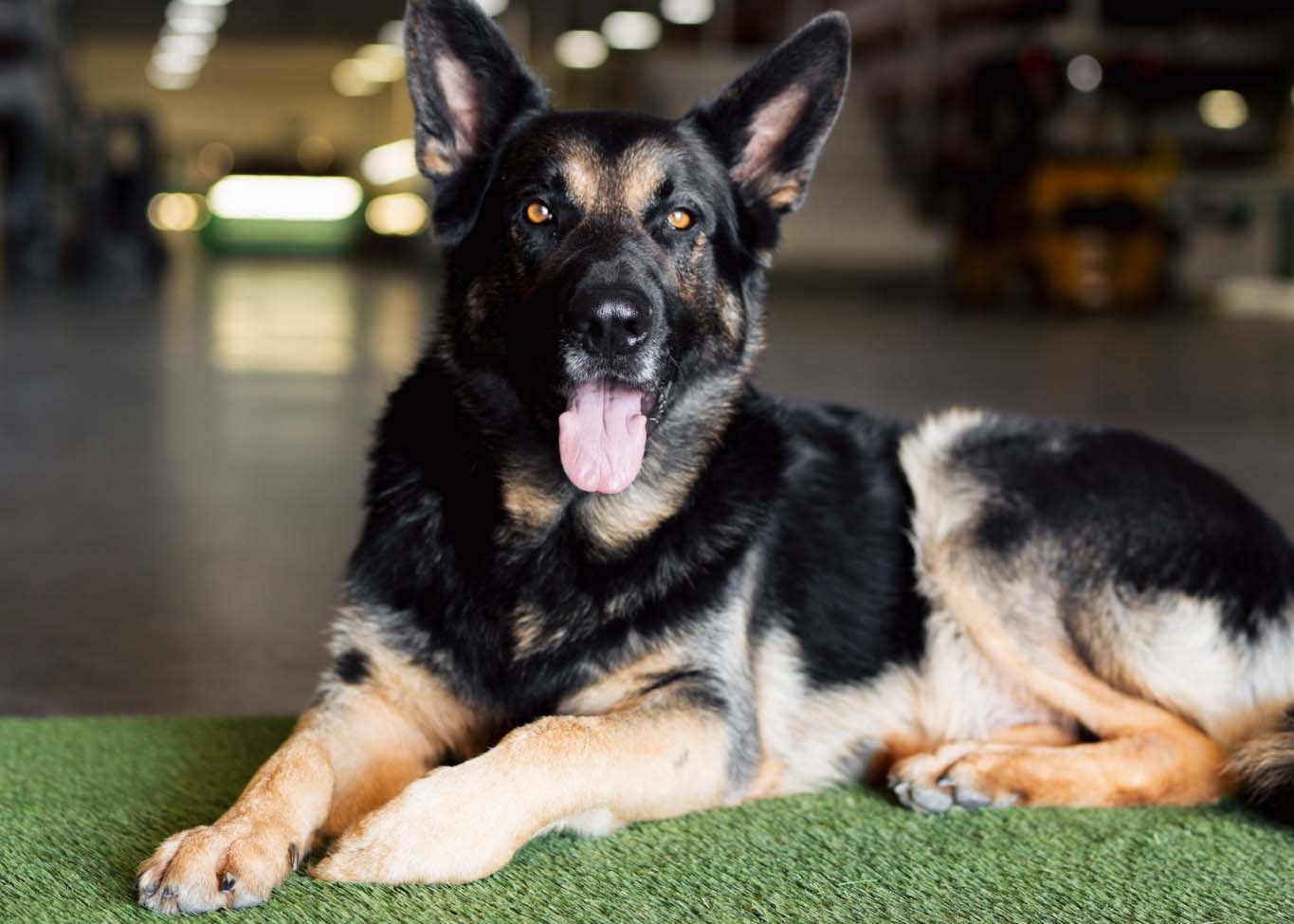
How to Choose Pet Turf That Actually Lasts
Creating a safe environment for our pets is a top priority. Natural lawns often require a steady stream of fertilizers and pesticides, exposing our furry family members to potentially harmful chemicals. High-quality pet turf offers a clean, non-toxic alternative, eliminating the need for harsh treatments and reducing exposure to common allergens found in grass and soil. It’s more than just a convenient landscaping choice; it’s a decision that supports a healthier lifestyle. This guide will show you how to select a pet turf system that provides a safe, durable surface for worry-free playtime.
If you’re a pet owner with a natural lawn, you know the struggle is real. Between the muddy paws, patchy yellow spots, and the endless battle to keep things clean, your yard can feel more like a chore than a retreat. This frustration is often what leads people to start searching for a better way, scrolling through countless pet turf reviews to see if it’s the magic solution they’ve been hoping for. The truth is, it can be. But a great outcome isn’t about just picking the prettiest turf; it’s about understanding the complete system. This guide will walk you through what truly matters, from drainage and durability to heat control, so you can move beyond reviews and confidently choose a solution that gives you a beautiful, low-maintenance yard and your pet a safe place to play.
Key Takeaways
- Success Lies in the System: Remember that you’re investing in a complete system, not just a roll of turf. The backing, infill, and base preparation are just as critical as the grass blades for ensuring proper drainage and long-term durability.
- Focus on Pet-Centric Features: The best pet turf offers superior drainage to control odors, a strong tuft bind to handle digging and play, and safe, non-toxic materials to keep paws comfortable and protected.
- Professional Installation is Key: Proper ground preparation is non-negotiable for preventing future headaches like pooling water and bad smells. A professional installation ensures the foundation is built correctly, protecting your investment and guaranteeing performance.
What is Pet Turf? (And Why You’ll Love It)
If you’re tired of muddy paws, patchy grass, and a yard that smells less than fresh, you’ve probably considered artificial turf. But pet turf isn’t just any artificial grass. It’s a complete system engineered specifically to handle the daily demands of our four-legged family members. Think of it as a purpose-built playground that stays green, clean, and comfortable all year long, no matter how much your pets run, dig, or do their business.
Unlike standard turf, a high-quality pet turf system is designed from the ground up for superior drainage, durability, and odor control. It provides a safe, consistent surface that eliminates the need for harmful pesticides and fertilizers, creating a healthier environment for everyone. For pet owners, it means less time spent on yard work and cleanup and more time enjoying the outdoors with your furry companions. It’s a practical solution that solves the biggest headaches of pet ownership while giving you a beautiful, low-maintenance lawn.
The Perks for You and Your Furry Friends
The most obvious benefit is saying goodbye to mud and dead grass for good. A pet-friendly turf system means no more dirty paws tracked through the house after it rains and no more yellow spots from pet urine. The surface is incredibly durable and built to withstand energetic play, so you can let your dogs run freely without worrying about them tearing up the lawn.
Beyond aesthetics, pet turf offers a cleaner, safer space. Cleanup is simple, usually just requiring a quick rinse with a hose. Plus, you can stop using chemical fertilizers and pesticides that can be harmful to pets. A properly installed system also features advanced drainage and specialized infill options that help manage moisture and neutralize odors before they start, keeping your yard smelling fresh.
Health and Allergy Benefits
One of the biggest advantages of a dedicated pet turf system is the immediate improvement in your pet’s health and comfort. Natural grass is a common source of allergens, holding onto pollen and mold that can trigger reactions in sensitive pets. High-quality artificial turf, on the other hand, is hypoallergenic, creating a clean surface that helps reduce sneezing, itching, and irritation. It also eliminates the need for the chemical fertilizers, pesticides, and weed killers required to maintain a natural lawn. This means your pets can roll around and play without being exposed to potentially harmful substances, giving you peace of mind.
Environmental Advantages
Choosing a synthetic turf system is also a smart move for the environment. The most significant benefit is massive water conservation, as you’ll no longer need to run sprinklers to keep your lawn green. This not only lowers your utility bills but also helps preserve a vital natural resource. You can also say goodbye to gas-powered lawnmowers and the emissions they produce. Because you won’t need fertilizers or pesticides, you’ll prevent chemical runoff from entering local waterways. A professionally installed system with advanced drainage capabilities also helps manage stormwater effectively, making it a responsible and sustainable landscaping choice.
What to Know Before You Choose Your Turf
Before choosing a pet turf, take a moment to think about your specific needs. Homeowners comparing product tiers can also review PETMAXX 50 for budget-conscious pet projects and PETMAXX 75 pet turf. First, consider your pet’s behavior. Do you have a high-energy dog that loves to sprint and dig, or a more relaxed pup who prefers to sunbathe? An active dog will require a more durable turf with a resilient backing system. For heavy-use dog areas, PETMAXX® 90 pet turf pairs a dense 90 oz face weight with rapid drainage for cleaner, longer-lasting performance.
Next, think about your climate. If you live in a hot, sunny area, the surface temperature of the turf is a key factor. Look for products with heat-reduction technology, like our HEATMAXX® SOFT line, to keep paws comfortable. Finally, remember that you’re not just buying a roll of turf; you’re investing in a complete system. The backing, drainage layer, and infill are just as important as the grass blades themselves for ensuring longevity and performance.
Where is Pet Turf Used?
Pet turf is incredibly versatile, showing up in more places than just the typical backyard. Its combination of durability, easy maintenance, and safety makes it a go-to solution for any space frequented by pets. From private homes creating the perfect play area to commercial facilities needing a reliable, clean surface, the applications are broad. Understanding where it works best can help you see the full potential for your own project, whether you’re overhauling your lawn or designing a space for a pet-focused business.
Residential Lawns and Dog Runs
For homeowners, the most common application is transforming a patchy, muddy backyard into a consistently green and clean lawn. It’s an ideal solution for creating a dedicated dog run where your pet can play without destroying the landscape. This keeps the rest of your yard pristine while giving your dog a safe, contained area. Pet turf also works wonders for smaller spaces like patios, balconies, or side yards, turning unused concrete or dirt patches into functional, comfortable spots for your pets to relax. The result is a beautiful, low-maintenance outdoor space that the whole family—including the furry members—can enjoy year-round.
Commercial Applications
Beyond the home, pet turf is a workhorse in commercial settings where durability and hygiene are top priorities. Think about high-traffic areas like doggy daycares, boarding kennels, and veterinary clinics. These businesses need a surface that can withstand constant use from countless paws, is easy to sanitize, and provides a safe environment for the animals in their care. You’ll also find it in public dog parks, pet relief areas at airports, and common spaces in pet-friendly apartment complexes. For these businesses, investing in a high-performance turf system isn’t just about aesthetics; it’s a practical decision that reduces maintenance costs and ensures a clean, professional appearance for clients.
What Makes a Great Pet Turf System?
When you start looking at artificial grass for pets, you’ll quickly realize that not all turf is created equal. The options can feel endless, and the marketing claims can be confusing. So, how do you tell the difference between a turf that just looks good on day one and a high-performance system that will stand up to years of play and potty breaks? It comes down to understanding what makes a true pet-friendly turf system. It’s about more than just the green blades; it’s about the science behind the backing, the infill, and the durability that keeps it all together.
Why the Whole System Matters, Not Just the Complete System Matters (Not Just the Turf)
Thinking of pet turf as just a roll of green carpet is one of the biggest mistakes you can make. A successful, long-lasting pet area relies on a complete system where every component works together. This includes the turf itself, the type of infill used, the base preparation, and the drainage capacity. When one part fails, the whole system suffers. That’s why it’s so important to work with a supplier who provides not just a product, but a proven solution and the guidance to install it correctly. A great partner program gives you the knowledge and confidence to build pet-friendly spaces that perform flawlessly, leading to happier clients and fewer callbacks.
A Closer Look at the PETMAXX® System
When a product is designed specifically for pets, you can feel the difference. The PETMAXX® system was engineered from the ground up to handle the unique challenges our furry friends present. We know pets can be rough, so this turf features an incredibly strong tuft bind that resists even the most determined digging and scratching. It’s built to withstand constant traffic from paws of all sizes without showing wear and tear. This isn’t just a landscape turf with a “pet-friendly” label; it’s a complete, resilient solution that gives you and your clients total peace of mind, knowing the yard will stay beautiful and intact no matter how much fun is had on it.
Must-Have Features for the Best Pet Turf
As you evaluate your options, keep an eye out for a few non-negotiable features that define a premium pet turf. First is superior drainage. The turf backing must be highly permeable to allow liquids to pass through quickly, preventing odors and bacteria from building up. Next, look for exceptional durability in the fibers and the backing to ensure the turf can handle years of active use. Finally, consider the materials. The best turf is made from non-toxic components and often incorporates heat-reduction technology, like our HEATMAXX® SOFT line, to keep the surface temperature cooler and safer for sensitive paws on sunny days.
Antimicrobial Technology
Even with great drainage, bacteria from pet waste can linger and cause unpleasant smells. This is where antimicrobial technology comes in as a powerful, built-in line of defense. High-quality pet turf often has antimicrobial agents integrated directly into the yarn or backing during the manufacturing process. This isn’t a spray-on treatment that wears off; it’s a permanent feature that works around the clock to inhibit the growth of odor-causing bacteria, mold, and mildew. Think of it as an invisible shield that helps keep your turf cleaner and fresher between rinses. For installers, recommending a turf with this feature adds significant value and helps prevent odor-related callbacks down the road.
Odor-Controlling Infill
The infill you choose is just as important as the turf itself when it comes to fighting odors. While standard sand infill can trap moisture and bacteria, specialized pet-friendly options are designed to do the opposite. Odor-controlling infill is typically made from non-absorbent, rounded granules with a coating that actively neutralizes ammonia in pet urine on contact. This stops smells before they can even start. Because it doesn’t absorb liquid, it helps the system dry out faster and prevents the buildup of smelly bacteria. Pairing a highly permeable turf with an odor-controlling infill creates a powerful combination that ensures the entire system stays fresh and clean for years to come.
How to Choose Pet Turf That Actually Lasts
When you’re choosing turf for a yard with pets, you need more than just a pretty green lawn. You need a complete system that can handle everything from energetic zoomies to daily potty breaks. The true test of quality isn’t how the turf looks on day one, but how it performs year after year under the paws of your furry family members. The best pet turf is designed with durability at its core, focusing on a few key features that make all the difference. A tough-as-nails backing, safe and resilient materials, and rapid drainage are the three pillars of a high-performance pet turf system. Let’s look at why each of these components is so critical for creating a lawn that both you and your pets will love for years to come.
Why the Turf’s Backing is So Important
Think of the backing as the foundation of your entire turf system. It’s what holds every single blade of grass in place. For pet owners, a strong backing with a high tuft-bind rating is essential. This feature ensures the grass fibers are securely locked in, so they won’t pull out when your dog is digging, scratching, or skidding to a stop after chasing a ball. A weak backing can lead to shedding, bald spots, and a lawn that wears out far too quickly. A durable, dimensionally stable backing, like the one found in our PETMAXX® system, provides the strength needed to withstand constant activity, keeping your lawn looking full and intact for the long haul.
Look for Multi-Layer Backing
A single layer of backing just won’t cut it for a pet-friendly yard. The best systems use a multi-layer backing that combines different materials to create a turf that’s both incredibly strong and highly permeable. This layered construction provides superior dimensional stability, which means the turf won’t stretch or shrink over time, preventing wrinkles and keeping seams tight. More importantly for pet owners, it creates an exceptional tuft bind, locking the grass fibers securely in place to resist even the most enthusiastic digging. When you choose a system like PETMAXX®, you’re getting a backing engineered to let liquids pass through quickly while providing the structural integrity needed for years of rough-and-tumble play.
Is Your Turf Safe for Paws and Kids?
Your pet will be rolling, playing, and lounging on this surface, so safety is paramount. Always choose turf made from 100% lead-free and non-toxic materials to ensure a healthy environment for your family and pets. Beyond initial safety, the quality of the materials determines the turf’s lifespan. Look for products with built-in UV inhibitors. The sun’s rays can cause low-quality turf to fade, dry out, and become brittle over time. Premium fibers are engineered to resist UV degradation, keeping your lawn vibrant green, soft, and resilient for years. This focus on quality is central to all our turf products, giving you peace of mind that you’ve made a safe and lasting investment.
Checking for Lead-Free Materials
When it comes to safety, you shouldn’t have to guess. Verifying that your turf is lead-free is a simple but crucial step. Don’t just take a company’s word for it—ask for the proof. A reputable supplier will have no problem providing a spec sheet or documentation confirming their products are made from 100% lead-free and non-toxic materials. This transparency is a huge indicator of a quality product and a trustworthy company. It’s a standard we take seriously, which is why every one of our turf systems, including the entire PETMAXX® line, is manufactured to be completely safe for the whole family. This simple check gives you the confidence that your new lawn is a healthy space for everyone to enjoy, paws and all.
Why Superior Drainage is Non-Negotiable
If pet turf doesn’t drain well, you’ll quickly end up with a smelly, unhygienic mess. This is why excellent drainage is absolutely non-negotiable for any pet-friendly installation. The best pet turf features a highly permeable backing that allows liquids, especially pet urine, to pass through quickly and efficiently. This rapid drainage prevents moisture and bacteria from getting trapped, which is the primary cause of persistent odors. When combined with a proper sub-base during installation, a high-flow backing ensures your yard stays fresh, clean, and ready for play, even after a rainstorm or a potty break. It’s the key to a low-maintenance lawn that actually stays pleasant to be around.
How Much Should You Budget for What Does Pet Turf Cost?
Thinking about installing pet turf is exciting, but it’s natural to wonder about the budget. It’s helpful to view pet turf not as a simple purchase, but as a long-term investment that increases your home value, your pet’s happiness, and your own peace of mind. The final price tag covers more than just the green turf you see on top; it includes a complete system designed for durability, drainage, and cleanliness. Let’s break down what goes into the cost so you can plan your project with confidence.
What Goes Into the Final Price?
When you get a quote for pet turf, the price is typically calculated per square foot. You can generally expect professionally installed pet turf systems to range from $15 to $20 per square foot. For a 500-square-foot yard, that puts the total investment between $7,500 and $10,000. This estimate includes everything needed for a successful, long-lasting installation: site preparation, the base materials, the turf itself, specialized infill, and all the labor involved. High-quality systems like PETMAXX® are designed with specific components that work together, ensuring the final result can handle everything your pets throw at it.
Cost of Turf Material
The turf itself is one of the most significant factors in your budget. While standard landscape turf can be more affordable, pet-specific turf typically costs more for good reason. You can expect the material for a quality pet turf to range from about $2 to over $5 per square foot. This higher price reflects the advanced engineering that goes into it, such as a highly permeable backing for superior drainage and a stronger tuft bind to resist digging. Investing in a purpose-built product like our PETMAXX® line ensures you get the durability and performance needed to handle daily pet use without premature wear and tear.
Cost of Infill and Accessories
Beyond the turf, the cost includes essential components that make the system work. Infill is the most critical accessory, as it helps keep the grass blades upright, provides cushioning, and, most importantly for pet owners, helps control odors. Specialized pet-friendly infills are designed to neutralize ammonia from urine. Other necessary infill and accessories include things like seam tape, staples, and sometimes a weed barrier or an additional drainage layer. These items are not optional add-ons; they are fundamental to the longevity and functionality of your pet turf system and are factored into the total project cost.
Should You DIY or Hire a Pro?
While a DIY project might seem like a way to save money, pet turf installation is a job best left to the pros. The success of a pet turf system hinges on proper ground preparation and, most importantly, a flawless drainage system. An improper installation can lead to odors, pooling, and a shorter lifespan for your turf, which costs more to fix down the road. Professionals have the specialized equipment and experience to ensure a compact base, secure seams, and optimal drainage from day one. This gives you a beautiful, functional lawn without the headaches.
Is Pet Turf a Good Long-Term Investment?
The upfront cost is just one part of the equation. A natural lawn requires constant spending on water, fertilizer, pesticides, and equipment, not to mention the time you spend on upkeep. Pet turf eliminates those recurring expenses. Over its typical lifespan of 10 to 20 years, the savings on water bills and lawn care products add up significantly, offsetting the initial investment. More than that, you get a consistently clean and safe space for your family and pets to enjoy year-round. You’re not just buying a lawn; you’re buying back your weekends and getting a reliable solution that lasts.
Common Pet Turf Problems (And How to Avoid Them)
Even the best products can run into trouble without the right planning. When it comes to pet turf, a few common issues can pop up, but the good news is they are almost always preventable. Getting ahead of these potential problems from the start ensures you (or your client) will have a beautiful, functional lawn that stands the test of time and paws. It’s all about choosing the right system and installing it correctly from day one, which is the foundation for long-term success.
For professional installers, avoiding these common pitfalls is crucial for your reputation. A project plagued by odors or poor drainage leads to frustrating callbacks and unhappy customers, which can hurt your business. For homeowners, a proper installation protects your investment and delivers the worry-free outdoor space you envisioned for your family and pets. A failed pet turf system isn’t just an eyesore; it’s a source of ongoing stress and unexpected costs. By understanding what causes these issues, you can make informed decisions that lead to a better outcome for everyone involved. Let’s walk through the most frequent concerns and the straightforward solutions to keep your pet-friendly turf in top shape.
Keeping Your Turf Fresh and Cool
Nothing ruins a backyard oasis faster than a lingering pet odor, especially when the sun is beating down. Heat can intensify smells from pet urine that haven’t been properly cleaned or drained away. While regular rinsing is important, the real solution starts with the turf system itself. Some turf products simply aren’t built to handle the combination of pets and high temperatures.
To avoid this, choose a turf specifically engineered for pets, like a dedicated PETMAXX® system. These systems feature highly permeable backings that flush liquids away quickly. Pairing it with an antimicrobial infill is also key, as it helps prevent the growth of odor-causing bacteria. This combination tackles odors at the source instead of just masking them.
How to Avoid Bad Installation and Drainage
Have you ever seen artificial turf with puddles after it rains? That’s a classic sign of a poor installation. When it comes to pet turf, proper drainage is non-negotiable. Standing water not only looks bad but also creates a breeding ground for bacteria and odors from pet waste. The problem isn’t the turf itself; it’s almost always an issue with the sub-base prepared beneath it.
A solid installation process is the key to preventing this. The ground needs to be excavated and graded correctly, followed by a compacted base of permeable materials. This creates a stable, fast-draining foundation that allows liquids to pass through efficiently. Skipping these steps to save time or money will only lead to bigger, more expensive problems later.
Choosing Quality Turf That’s Easy to Maintain
When you’re investing in a turf system, you expect consistency. Yet, some suppliers have issues with quality control, leading to mismatched colors or varying pile heights between different rolls of turf. This can turn a dream lawn into a patchwork mess. The best way to avoid this is to work with a reputable supplier that prioritizes consistent manufacturing and reliable inventory.
A high-quality turf system also simplifies your maintenance routine. While all pet turf requires some upkeep, a well-draining, durable product won’t demand constant cleaning with special enzyme treatments. By choosing premium turf products from the start, you get a lawn that not only looks great on day one but is also easier to care for in the long run.
Let’s Talk About Heat: Does Turf Get Too Hot for Paws?
It’s one of the most common questions we hear, and for good reason. You want your furry friend to be safe and comfortable. The short answer is yes, synthetic turf can get warmer than natural grass in direct sunlight, just like patio pavers or decking. But the story doesn’t end there. The right turf system and a few simple habits can make all the difference, ensuring your yard is a comfortable oasis for everyone, paws included. Let’s break down what you need to know about managing heat.
How Hot Does Turf Actually Get?
Any surface left in the sun is going to absorb heat. Think about the difference between walking barefoot on grass versus asphalt on a summer day. Artificial turf falls somewhere in between. In intense, direct sunlight, the surface temperature can rise, which is a valid concern for sensitive paws. The key is to understand that not all turf is created equal. The color, material, and type of infill all play a role in how much heat the surface retains. Knowing this helps you make an informed choice and plan for those extra hot days, ensuring your pet has a safe place to play.
Cooling Tech for a Paw-Friendly Yard
Thankfully, you don’t have to choose between a beautiful lawn and your pet’s comfort. Modern turf technology has come a long way, with innovative products designed specifically to combat heat. Our HEATMAXX® SOFT series, for example, features advanced yarn technology that reflects infrared rays from the sun. Instead of absorbing all that heat, it reflects a portion of it away, keeping the surface significantly cooler than traditional turf products. This means your pets can enjoy the yard even when the sun is out. Choosing a turf with built-in cooling tech is one of the most effective ways to create a more comfortable play area from the ground up.
Turf with Built-In Cooling Properties
When you’re shopping for turf, actively look for options designed with heat in mind. This isn’t just a marketing gimmick; it’s a tangible feature that makes a real difference on hot days. The science behind it is pretty straightforward: specially shaped fibers and advanced yarn technology are engineered to reflect a portion of the sun’s infrared rays instead of absorbing them. This simple change in how the turf interacts with sunlight can significantly lower the surface temperature. For example, our HEATMAXX® SOFT line was developed specifically for this purpose, ensuring the ground stays more comfortable for paws. Choosing a turf with this built-in technology is the most effective first step you can take to create a cooler, more enjoyable yard.
Easy Tips for a Cooler Lawn
Beyond choosing the right product, there are several easy ways to manage surface temperatures. A quick spray with the garden hose can cool the turf down in seconds, providing instant relief on hot afternoons. This is especially effective with turf systems built for excellent drainage, like our PETMAXX® line, which prevents water from pooling. Strategic shade from trees, umbrellas, or a pergola can also make a huge difference. And don’t forget about infill. Lighter-colored, rounded silica sand or specialized cooling infill products can help regulate temperature more effectively than standard black crumb rubber. A little planning goes a long way in keeping your turf cool and comfortable.
Pet Turf Maintenance Made Easy
One of the best things about pet turf is how little work it takes to keep it looking fantastic. While it’s incredibly low-maintenance compared to a natural lawn, a little bit of care goes a long way in keeping it clean, fresh, and ready for playtime. Think of it less as a chore and more as a simple routine to protect your investment. A quality system designed for pets, like our PETMAXX® turf, is built with materials that resist stains and odors, making cleanup even easier. With just a few minutes each week, you can ensure your yard stays a beautiful and hygienic space for your entire family, furry members included.
Your Daily, Weekly, and Monthly Checklist
Keeping your pet turf in top shape is easy when you break it down into a simple schedule. For daily care, just do a quick scan for solid waste and remove it as you would from any lawn. A quick rinse with the hose on any potty spots helps, too. On a weekly basis, give the entire turf area a more thorough rinse to wash away urine residue and dust. You can also use a stiff, non-metal brush to fluff up the fibers in high-traffic areas, keeping them upright and looking natural. Once a month, it’s a good idea to do a deeper clean with a turf-safe enzyme cleaner to tackle any lingering bacteria and prevent odors before they start.
How to Clean Your Turf and Banish Odors
The number one question from pet owners is about odor control. The key is consistency. For solid waste, simply scoop it up. For urine, a turf system with excellent drainage is your first line of defense, as it allows liquid to pass through quickly. If you notice a smell starting to develop, you can spray the area with a mix of equal parts water and white vinegar and let it air dry. For a more powerful solution, regular use of an enzyme cleaner is the best way to break down the organic compounds that cause odors. These cleaners are specifically designed to be safe for your pets and your turf, unlike harsh chemicals that can cause damage.
Recommended Cleaners for Pet Turf
When it comes to cleaning products, always choose solutions that are specifically designed for synthetic turf and are safe for pets. While a simple water and vinegar mix can work for light odors, enzyme cleaners are your best bet for deep cleaning. These products contain beneficial bacteria that break down the ammonia and proteins in pet urine, eliminating the source of the smell rather than just covering it up. It’s crucial to avoid harsh chemicals like bleach or strong detergents, as they can damage the turf’s backing, discolor the grass fibers, and be harmful to your pets. Sticking with recommended, non-toxic cleaners ensures your lawn stays beautiful and your furry friends stay safe.
The Role of Infill in Odor Prevention
Effective odor control is about more than just cleaning; it’s built directly into the turf system. The infill you choose plays a massive role in preventing smells before they even start. While standard sand infill can trap moisture and bacteria, specialized pet-friendly options are designed to do the opposite. Antimicrobial infill products are coated to inhibit the growth of bacteria from pet waste, which stops odors at the source. This proactive approach is far more effective than constantly reacting to smells after they’ve developed. By investing in the right infill from the beginning, you create a cleaner, fresher, and more hygienic environment for everyone.
How to Make Your Turf Last for Years
High-quality artificial turf is built to withstand years of enthusiastic play. It can handle pets running, digging, and chewing without getting ruined. With proper care, you can expect your pet turf to last anywhere from 10 to 20 years, depending on usage and the quality of the initial installation. The foundation of a long-lasting lawn is a proper sub-base that ensures stability and drainage. Periodically checking your infill levels and brushing the fibers will also extend its life, ensuring it remains a safe and beautiful surface for years. By following these simple maintenance steps, you’re not just cleaning your lawn; you’re preserving a long-term solution for a pet-friendly yard.
How to Choose the Right Pet Turf for You
Choosing the right turf is about creating a space that works for your entire family, including the four-legged members. By thinking through a few key questions, you can select a turf system that looks great and stands up to daily pet life.
How Many Paws Will Be Playing?
Before you choose your turf, take a quick headcount of your furry family members. The number, size, and energy level of your pets play a big role in finding the right fit. For most dogs, a shorter pile height (think 1.6 inches or less) is the way to go. Why? It makes cleanup a breeze. Scooping solid waste is much simpler on shorter blades, and it helps keep lingering odors from settling in. A turf system designed specifically for pets, like our PETMAXX® series, is built to handle daily zoomies and potty breaks while making your life easier. It’s all about creating a space that’s fun for them and low-stress for you.
Matching Your Turf to Your Climate and Lifestyle
We all love a sunny day, but a yard that gets direct sun for hours can turn artificial grass into a hot spot for sensitive paws. Before you buy, take note of how much sun your lawn gets. If it’s a full-sun area, you’ll want to look for turf with built-in cooling technology. Products like our HEATMAXX® SOFT are designed with heat-reflective fibers that keep the surface temperature more comfortable. Also, think about traffic patterns. Do your dogs have a favorite path they race along the fence? High-traffic areas need a durable turf that can stand up to constant use without looking worn down. Choosing the right product for your specific conditions ensures your lawn stays beautiful and safe for years.
Planning for Drainage and Installation
This might be the most important part of a successful pet turf project: drainage. Without a proper system to whisk away urine and liquids, you’ll end up with unpleasant smells and a soggy mess. Great drainage starts from the ground up. A properly prepared, porous base is the foundation, allowing liquids to pass through instead of pooling on the surface. The turf itself should have a highly permeable backing to complete the system. This combination is far more effective than natural grass at handling pet waste. A professional installation ensures every layer is built correctly, giving you a clean, fresh-smelling yard that you and your pets can enjoy without worry.
Planning Your Purchase
Once you’ve narrowed down the features that matter most for your project, it’s time to move from planning to purchasing. This is where you get hands-on with the materials and finalize the details to ensure a perfect fit for your space. Taking a couple of extra steps here can save you from costly mistakes and guarantee the final result matches your vision. It’s all about making sure what you see online is exactly what you get in your yard.
Ordering Samples First
Seeing a picture online is one thing, but feeling the turf in your hands is another. Before you commit to a full order, I always recommend getting samples. This is your chance to assess the color in your own yard’s natural light, feel the texture of the blades, and check the durability of the backing. A sample lets you confirm that the quality meets your standards and helps you visualize how it will look and feel once installed. It’s a simple, crucial step that gives you complete confidence in your decision, ensuring there are no surprises on installation day. You can contact us to get started with samples for your project.
Custom Sizing and Product Types
Artificial turf isn’t a one-size-fits-all product, and you shouldn’t have to settle for “close enough.” One of the biggest advantages of working with a quality supplier is the ability to get turf cut to the specific length you need. This customization is a game-changer, as it minimizes waste and reduces the number of seams in your final installation—which is especially important for pet areas where seams can be a weak point. Beyond standard rolls, we also offer make-to-order solutions for unique projects, ensuring you get the perfect system for your specific requirements without compromise.
Related Articles
- How to Choose the Best Synthetic Turf Products
- DIY Synthetic Turf Installation: A 6-Step Guide
- Best Quality Artificial Turf: A Buyer’s Guide
- Top 8 Artificial Turf Manufacturers USA (Buyer’s Guide)
Frequently Asked Questions
Is pet turf really worth the investment compared to a natural lawn? While the upfront cost is higher, it’s helpful to think about the long-term value. A natural lawn comes with recurring costs for water, fertilizer, pesticides, and lawn equipment, not to mention the hours you spend on upkeep. A quality pet turf system eliminates those expenses. Over its 10 to 20-year lifespan, the savings often offset the initial investment, and you gain a consistently clean, beautiful, and safe space for your family and pets without the weekend work.
Will my yard smell bad if I have pet turf? This is a common concern, but a properly installed pet turf system is designed specifically to prevent odors. Smells happen when urine gets trapped and bacteria grows. A true pet-friendly system uses a highly permeable backing and a prepared base that allows liquids to drain through quickly. When you pair this with a quality antimicrobial infill, you have a setup that actively fights odor at the source, keeping your yard fresh.
My dog loves to dig and run. Will they be able to tear up the turf? High-quality pet turf is engineered to handle exactly that kind of energetic behavior. The key is a feature called “tuft bind,” which refers to how strongly the grass fibers are secured to the backing. A system like PETMAXX® has an exceptionally strong tuft bind, meaning the blades are locked in place and won’t pull out, even with determined digging, scratching, or skidding.
Does pet turf get too hot for my dog’s paws in the summer? Any surface will get warm in direct sun, but modern turf has great solutions for this. Look for products with built-in cooling technology, like our HEATMAXX® SOFT line, which uses special yarns to reflect sunlight and stay cooler than traditional turf. On very hot days, a quick spray with a garden hose can cool the surface instantly. Providing some shade with an umbrella or tree also makes a big difference.
Can I install pet turf myself to save money? While it might seem tempting, installing pet turf is a job best left to professionals. The success of the entire system, especially its ability to drain properly and prevent odors, depends entirely on the base preparation beneath the turf. Professionals have the right equipment and expertise to ensure this foundation is perfectly graded and compacted. A DIY installation can lead to costly problems like pooling water and persistent smells down the road.
Leave a Reply