


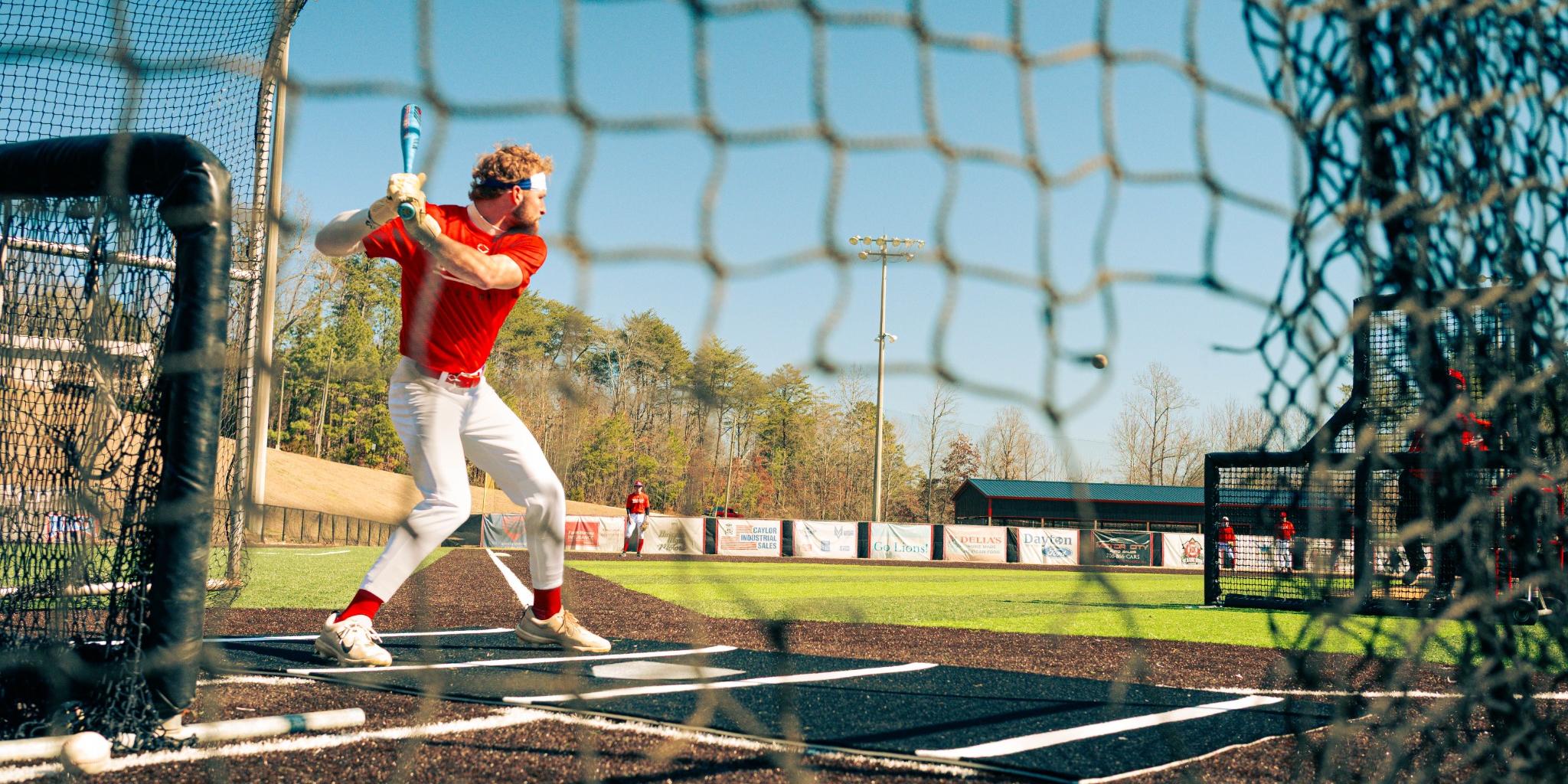
The Ultimate Baseball Batting Mat Buyer’s Guide
For any hitter, consistency is everything. But building muscle memory for a powerful, accurate swing is nearly impossible when the ground under your feet is always changing. A worn-out, rut-filled batter’s box creates an unstable surface that can throw off your stance and balance. A durable baseball batting mat solves this problem by providing a perfectly flat, stable surface every single time you step up to the plate. This lets you focus entirely on your mechanics—not on adjusting to holes or uneven ground—leading to more productive practice that translates to real in-game success.
Key Takeaways
- Protect players and your field: A quality mat provides a stable, non-slip surface for safety, offers a consistent foundation for effective practice, and absorbs the wear and tear that would otherwise damage your turf or floors.
- Invest in quality construction: Look for key features that signal longevity, such as high-performance turf fibers, a heavy non-slip backing, and permanent markings that are tufted in rather than painted on.
- Choose the right mat for your space: Consider where you’ll practice (indoors vs. outdoors), the player’s skill level, and your training goals to select a mat that fits your specific needs and budget.
What is a Baseball Batting Mat (and Why You Need One)?
At its core, a batting mat is a portable, heavy-duty piece of artificial turf designed to handle the intense wear and tear of batting practice. Think of it as a shield for your field and a consistent foundation for your players. Whether you’re managing a high-traffic training facility, coaching a team on a shared field, or setting up a cage in the backyard, a quality batting mat is an essential piece of equipment. It’s not just about keeping the grass green; it’s about creating a better, safer environment for players to develop their skills.
The right mat solves three major problems that every coach and facility manager faces. First, it protects your expensive natural grass or synthetic turf from the constant digging and twisting of cleats in the batter’s box. Second, it gives hitters a perfectly uniform surface to practice on, eliminating the ruts and holes that can mess with their stance and timing. Finally, it provides stable, reliable footing to help prevent slips and injuries. Investing in good sports mats and training aids means less field maintenance, more effective training sessions, and a safer space for everyone. It’s a straightforward solution that pays for itself by preserving your field and improving player performance, making it one of the smartest additions to any baseball or softball program.
Save Your Grass and Turf
Constant batting practice can destroy a field. The repetitive motion of hitters digging in at the plate quickly wears down natural grass, creating holes and uneven ground. Even durable synthetic turf can show signs of stress in high-use areas like the batter’s box. A batting mat is designed to take this abuse, acting as a protective barrier that absorbs all the impact. It’s built to “eliminate the wear that would normally occur in the batters’ boxes or the front of the mound,” preserving the integrity of your field underneath. This saves you significant time and money on repairs and keeps your entire playing surface in top condition for longer.
Create a Consistent Practice Surface
For a hitter, consistency is everything. Developing muscle memory for a powerful, accurate swing is nearly impossible when the ground under their feet is always changing. A worn-out, rut-filled batter’s box creates an unstable and unpredictable surface that can throw off a player’s stance and balance. A durable home plate mat is essential for “maintaining a consistent training environment.” It provides a perfectly flat, stable surface every single time a player steps up to the plate. This allows hitters to focus entirely on their mechanics without having to adjust to holes or uneven ground, leading to more productive and effective practice sessions.
Improve Safety and Prevent Injuries
Player safety should always be the top priority, and the ground they stand on plays a huge role. Worn-out turf or low-quality mats can become slick, especially when damp, creating a serious hazard. The problem is, many standard mats “weren’t designed for the specific stresses that batting practice creates,” so they can bunch up or slide under a player’s feet. A high-quality batting mat is engineered with a non-slip backing that keeps it securely in place. This stable footing drastically reduces the risk of slips, falls, and twisted ankles, allowing players to swing with confidence. It’s a simple change that makes any training space significantly safer.
What Are the Different Types of Batting Mats?
Once you start looking, you’ll find that batting mats come in several shapes and sizes, each designed for a specific job. Understanding the differences will help you choose a mat that fits your training needs and protects your field or facility. From basic practice mats to specialized options for pitchers, let’s break down the main types you’ll encounter.
Standard Mats for Batting Practice
Think of these as the entry-level option. Standard batting mats look fine when they’re new, but they often aren’t designed for the specific stresses that batting practice creates. They are typically simple turf rectangles that offer a basic layer of protection for the ground. While they can work for very light, occasional use in a backyard, they usually lack the heavy-duty construction needed for serious training. The turf fibers may wear down quickly, and the backing might not be robust enough to prevent slipping, which can become a problem over time.
Perfect Your Stance with Batter’s Box Mats
These mats are a significant step up and are designed specifically for hitting practice. They often feature inlaid or painted home plates and batter’s box lines to simulate a real at-bat. The best ones are made from high-quality turf that can handle countless swings and cleated feet. Cheaper imitation mats often use thin, low-grade materials that wear out quickly and can become a safety hazard. Investing in a quality stance mat provides a stable, consistent surface that protects your players and the ground underneath, making them essential for cages and training facilities.
Mats for the Mound and Bullpen
Just as hitters need a solid surface, so do pitchers. Pitcher’s mound and bullpen mats are built to withstand the repetitive, powerful motions of a pitching delivery. These mats eliminate the wear that would normally occur in front of the mound or in the bullpen during practice. They provide a durable, consistent surface that helps pitchers work on their mechanics without digging a hole in the clay or natural grass. This not only preserves your field but also ensures pitchers have a safe and reliable area to warm up and train.
Specialty Mats for On-Deck and Training
On-deck circle mats protect the area where the next batter warms up, preventing wear and tear from practice swings. Beyond that, a durable home plate mat is essential for protecting batting cage surfaces and maintaining a consistent training environment. Many of these versatile sports mats and training aids can also be used for general conditioning drills, agility work, or as portable hitting stations. Their heavy-duty construction ensures they can handle high traffic while keeping your turf or facility floor in great shape.
Mats for Softball Pitchers
Softball pitchers have a unique, explosive delivery that puts a ton of stress on the ground in front of the pitching rubber. Without protection, this area quickly turns into a rutted mess. Softball pitching mats are specifically engineered to handle this wear, providing a tough, stable surface that stands up to countless pitches. They are built to eliminate the wear that would normally occur in the bullpen or on the field, saving your clay or grass. More importantly, this consistent foundation allows pitchers to focus entirely on their mechanics—from their drive to their follow-through—without worrying about their landing foot slipping or catching in a hole. It’s an essential tool for developing repeatable, powerful mechanics safely.
Catcher’s Mats and Extensions
Catchers put the ground through a unique kind of punishment, constantly shifting, blocking, and exploding from a crouch. A catcher’s mat is designed to protect the high-wear area directly behind home plate, ensuring a stable surface that can handle the impact of repeated drills. This gives catchers a solid, reliable base to practice their skills without tearing up the turf or creating dangerous holes. Some mats even come with extensions that provide a wider surface area, accommodating the specific stances and movements required for blocking drills and throwing to bases. It’s a smart investment that protects both your players and your field from the intense demands of the position.
How to Spot a High-Quality Baseball Batting Mat
Not all batting mats are created equal. When you’re looking for a solution that will last season after season, you need to know what separates a great mat from one that will wear out in a year. The best mats combine durable materials with thoughtful design features that improve player safety and performance. Here’s a closer look at the essential features to look for.
Choose Materials That Last
A quality batting mat starts with high-grade artificial turf. Look for materials specifically engineered to handle the wear and tear of cleats, repetitive drills, and constant foot traffic. The turf should be tough enough to resist spikes without tearing or fraying. This level of durability ensures the mat provides a consistent, reliable surface for practice in any weather. Investing in a mat made from high-performance sports turf means you get a product built for longevity, saving you the cost and hassle of frequent replacements.
Common Materials: Turf and Rubber
Most high-quality batting mats are made from either durable artificial turf, heavy-duty rubber, or a combination of both. Artificial turf is the top choice for the hitting surface because it mimics the feel of real grass while offering far greater resilience. The best mats use turf fibers made from materials like nylon and polypropylene, which are engineered to withstand heavy foot traffic and the twisting motion of cleats, ensuring the mat won’t break down after a few seasons of intense practice. Rubber is also crucial, often used as a thick, heavy backing that keeps the mat from sliding and absorbs impact, protecting both the player and the floor underneath. The combination of a tough turf surface and a stable rubber base creates a mat that is safe, durable, and built to perform.
Insist on Lines That Won’t Fade
Painted lines on a batting mat will eventually chip, fade, or peel away, especially with heavy use and exposure to the elements. A top-tier mat will have permanent home plate and batter’s box lines that are tufted directly into the turf. These inlaid markings stay crisp and visible for the life of the mat, ensuring players always have a clear reference for their stance and positioning. This feature eliminates the need for repainting and keeps your training area looking professional and ready for practice at all times.
Choosing the Right Size and Thickness
Batting mats come in various sizes and thicknesses, and choosing the right one depends on your space and needs. A larger mat provides more room for a natural stance and swing, while smaller stance mats are great for targeted drills or compact spaces. The thickness is just as important. A thicker mat, typically with a 5mm foam backing, offers better cushioning and stability underfoot. This added padding absorbs shock, reduces player fatigue, and helps the mat lay flat on any surface. You can explore a variety of sports mats and training aids to find the perfect fit.
Common Mat Dimensions
When you’re looking at different mat sizes, you’ll find options tailored for everyone from Little Leaguers to seasoned pros. For younger players or smaller backyard setups, a mat around 3 feet by 10 feet is a popular choice, offering enough room to practice fundamentals without taking over the whole yard. For more serious training environments like batting cages or school facilities, larger mats are the standard. You’ll often see sizes like 12 feet by 6 feet or even regulation 11-by-5-foot options that provide ample space for a hitter to get into a comfortable stance and follow through completely. The key is to match the mat size to the player’s age and the available practice space to ensure it’s both safe and effective for their training goals.
Why a Non-Slip Backing is a Must-Have
Safety should always be a top priority, and a non-slip backing is a non-negotiable feature. Standard mats can slide on concrete, dirt, or gym floors during a powerful swing, creating a serious risk of injury. A high-quality mat is designed with a durable, textured backing that grips the surface underneath, keeping it securely in place. This stability allows players to swing with confidence, knowing their footing is secure. It’s a critical design element that prevents accidents and ensures the mat performs reliably under the specific stresses of batting practice.
Look for Quality Indicators
“Made in the USA” and Other Marks of Quality
When you’re investing in a piece of equipment that needs to perform day in and day out, you want to see clear signs of quality craftsmanship. A great batting mat starts with high-grade artificial turf specifically engineered to withstand the intense wear from cleats and repetitive drills. This level of durability ensures the mat provides a consistent, reliable surface that makes it a worthwhile investment. Also, check the markings. While painted lines might look fine at first, they will inevitably chip and fade. Look for mats with permanent markings tufted directly into the turf. These inlaid lines remain crisp and clear for the life of the mat, so you never have to worry about repainting.
Beyond the surface, a non-slip backing is one of the most critical features for player safety. A high-quality mat will have a durable, textured backing that grips the ground, preventing it from sliding during a powerful swing. This stability is essential, allowing hitters to practice with confidence and reducing the risk of slips or injuries. Finally, consider where the mat is made. Products that are “Made in the USA” often adhere to higher manufacturing standards and quality control, ensuring you get a piece of equipment that’s built to last. These indicators separate the best sports mats and training aids from the ones that will need replacing after just one season.
Common Batting Mat Buying Mistakes to Avoid
Choosing the right batting mat can feel straightforward, but a few common missteps can lead to a purchase you’ll regret. A low-quality mat won’t just wear out quickly; it can also be a safety risk and hinder player development. Let’s walk through the biggest mistakes people make when buying a batting mat, so you can invest in a solution that truly performs for years to come. By avoiding these pitfalls, you can ensure you get a durable, safe, and effective training tool that protects your players and your turf.
Mistake #1: Assuming All Mats Are the Same
It’s easy to look at a few batting mats and think they’re all basically the same, but that couldn’t be further from the truth. Many imitation mats look great right out of the box but are made with thin, low-grade materials that simply weren’t designed for the stress of batting practice. They break down quickly under repeated use from cleats, creating an uneven and unsafe surface. A quality mat is built from high-performance turf designed to withstand intense friction and traffic. When you’re shopping, look for sports mats and training aids made from durable materials that won’t tear or wear thin after just one season.
Mistake #2: Letting Price Be Your Only Guide
Everyone loves a good deal, but letting price be your only deciding factor is a recipe for disappointment. The cheapest mats on the market often cut corners on materials, backing, and overall construction. While the initial cost of a professional-grade mat might be higher, it saves you money in the long run by lasting for years instead of needing constant replacement. Think of it as an investment in your facility or backyard. A well-made mat provides a stable, consistent surface that supports proper training, while a cheap one can become a liability. Focus on value and performance, not just the price tag.
Mistake #3: Ignoring Indoor vs. Outdoor Use
Not all batting mats are built to handle the elements. A common mistake is buying a mat without considering where it will be used. Outdoor mats need to be UV-stabilized to prevent fading and degradation from the sun, and they must be able to handle rain and temperature changes without falling apart. An indoor mat, on the other hand, might prioritize a non-slip backing that grips a gym floor. Using an indoor-only mat outside will cause it to break down prematurely. Always check the product specifications to ensure you’re getting a mat designed for your specific environment, whether it’s for a cage or an open field.
How Much Do Batting Mats Cost?
When you start shopping for a batting mat, you’ll notice prices can range from under a hundred dollars to nearly two thousand. This wide spectrum isn’t random; it reflects significant differences in size, material quality, durability, and features. A small, portable stance mat for backyard practice with your kids will naturally have a different price tag than a full-size, professional-grade system designed for a commercial training facility.
Understanding what you get at each price point is key to choosing the right mat for your needs and budget. You don’t want to overspend on features you won’t use, but you also don’t want to buy a cheap mat that wears out after one season. Think of it as an investment in player safety, performance, and the protection of your underlying turf or flooring. Let’s break down the typical cost tiers so you can find the perfect balance of quality and value.
What to Expect from Entry-Level Mats
In the entry-level category, you’ll find mats priced roughly from $75 to $250. These are typically smaller stance mats or basic home plate mats perfect for casual backyard use or for young athletes just starting out. They provide a designated spot to practice footing and protect your lawn from getting torn up. While they are a great, affordable way to get started, it’s important to manage expectations. These mats often use thinner turf and a lighter backing, so they may not stand up to heavy, daily use or the wear and tear from metal cleats.
The Investment for Pro-Quality Mats
For most serious players, high schools, and training facilities, the pro-quality tier is the sweet spot. Ranging from about $250 to $700, these mats offer a major upgrade in construction and longevity. They are made with durable, high-performance turf fibers designed to withstand constant footwork and repetitive drills. Many of these mats feature heavy-duty, non-slip backing that keeps them securely in place. The home plate and batter’s box lines are often tufted directly into the turf, ensuring they won’t fade or chip away like painted lines. These are the workhorse mats built for consistent, reliable training day after day.
Understanding Premium Mat Systems
At the top end of the market, you’ll find premium training systems that can cost anywhere from $700 to over $1,800. These are more than just mats; they are comprehensive solutions for elite training environments. You can expect extra-large sizes that cover the entire home plate area, extremely dense turf that mimics a real field, and thick foam backing for superior shock absorption and comfort. These systems are engineered for the highest levels of performance and are what you’d typically find in collegiate and professional facilities. They represent a long-term investment in a top-tier product built to endure years of intense, daily use.
What Are You Paying For?
So, what really separates a $100 mat from a $600 one? The price difference comes down to materials, construction, and safety. Cheaper mats often use low-grade turf that can quickly become matted and worn, creating an uneven and unsafe surface. When you invest in a higher-quality mat, you’re paying for dense, resilient turf fibers, a heavy-duty backing that prevents slipping, and permanent markings that last. Ultimately, you’re paying for a product that performs better and lasts longer. Quality sports mats and training aids are an investment in consistent practice and player safety.
How to Find the Best Batting Mat Brands
Once you know what features to look for, the next step is finding a brand you can trust. The market is full of options, but not all of them are built to handle the demands of serious training. A reliable manufacturer will offer durable products backed by clear specifications and real-world performance. It’s about finding a partner who understands the difference between a mat that just looks good on day one and one that’s engineered to last season after season. This is especially important for dealers and installers who need products they can confidently recommend to their clients.
Understanding the Market Landscape
The best batting mat brands are built on a foundation of turf expertise. They focus on creating products that solve real-world problems for players, coaches, and facility managers. Look for companies that are transparent about their materials and construction methods, providing clear specifications that help you understand exactly what you’re buying. A reputable brand won’t just sell you a mat; they’ll offer guidance on choosing the right system for your specific application, whether it’s for an indoor cage or an outdoor field. For dealers and installers, finding a supplier who offers consistent quality and reliable availability is critical. A strong partner program ensures you have access to high-performance products you can stand behind, helping you avoid project delays and client callbacks.
Examples of Popular Brands
As you research, you’ll come across several established names in the sports turf industry. Brands like ProMounds and On Deck Sports are well-known for offering a wide range of baseball and softball equipment, including various types of batting mats. They cater to everyone from little leagues to professional facilities. At Go Green, we offer our own line of sports mats and training aids through All Turf Mats. We designed these products with the same commitment to performance and durability that defines our turf systems. Built with high-grade turf fibers, heavy-duty backing, and permanent, tufted-in lines, our mats are engineered to provide a safe, consistent training surface that lasts season after season.
What Sets Top Brands Like Go Green Apart?
The best training solutions are designed to simulate real-game conditions while protecting your equipment and practice surfaces. That’s where we come in. At Go Green, we specialize in high-performance turf systems built for specific applications, including athletics. Our sports mats and training aids are crafted with the same attention to detail and durability as our professional-grade sports turf. We focus on creating products that provide a stable, realistic feel underfoot, allowing players to train confidently without damaging the ground below. It’s about turning any space, from a backyard to a commercial cage, into a professional-level training ground.
What to Look for in Any Manufacturer
When you’re comparing brands, be wary of imitation mats made from thin, low-grade materials that wear out quickly and can become a safety hazard. A reputable manufacturer will be transparent about what goes into their products. Look for companies that provide detailed product specs, stand behind their turf with a solid warranty, and offer practical guidance. You want a partner who is focused on performance, not just a quick sale. Learning about a company’s history and mission can tell you a lot about their commitment to quality and customer support.
Accessible Customer and Dealer Support
A great product is only part of the package; the support behind it is what truly matters, especially when you have questions about a specific project. Top brands in the industry make it easy to get help, whether it’s through expert advice on their website or dedicated support for purchase orders. This is crucial for both homeowners trying to choose the right mat and for dealers who need reliable information for their clients. At Go Green, we understand that our job doesn’t end when the product ships. We support our nationwide network of dealers and installers with practical guidance and clear answers. If you have a question about which mat is right for a high-traffic facility or need help with a custom order, our team is here to provide straightforward advice. Having a partner you can easily contact for support makes all the difference in getting a project done right.
How to Compare Quality and Performance
Many standard batting mats look great right out of the box, but they often aren’t designed for the specific stresses of repeated batting practice. The key difference lies in the materials and construction. A high-quality mat uses turf fibers and backing specifically engineered for high-impact athletic use, similar to what you’d find in our SPORTMAXX® turf systems. When comparing options, check for features like high-density turf, a thick, non-slip backing, and inlaid turf lines instead of painted ones. These details ensure the mat can withstand countless swings and cleated foot traffic while protecting the field or floor underneath.
How to Choose the Right Mat for You
Finding the perfect batting mat comes down to matching the product to your specific situation. It’s not about finding the single “best” mat on the market, but the best one for your space, your players, and your budget. Before you add anything to your cart, take a moment to think through three key areas: your training goals, your practice space, and your long-term expectations. Answering these questions will help you filter out the noise and select a mat that will serve you well for seasons to come.
Match the Mat to Your Skill Level and Goals
The right mat should support a player’s development, not hinder it. A young player just learning the fundamentals has different needs than a college athlete fine-tuning their swing. Some mats are designed as simple, durable surfaces for tee work, while others are indispensable training aids with inlaid batter’s box lines and stride guides to refine a player’s stance. Think about what you want to achieve. Are you focused on building muscle memory for proper foot placement? Or do you just need a durable surface to protect your lawn during soft toss drills? Aligning the mat’s features with your goals ensures you’re investing in a tool that will actually help you improve.
Measure Your Indoor or Outdoor Space
Where will you be practicing? A mat destined for a basement or garage needs a non-slip backing to keep it securely in place on a smooth floor. If you’re setting up in the backyard, you’ll want a heavier, more durable mat made with all-weather materials that can handle rain, sun, and cleats. Measure your available area before you start shopping. You need enough room for a full swing without hitting walls or furniture. Remember that a good mat protects your surfaces, whether it’s preventing scuffs on a gym floor or saving your lawn from getting torn up during practice.
Think About Maintenance and Long-Term Care
A batting mat is an investment in your training, so it pays to think about its lifespan. While a low price tag can be tempting, cheaper mats are often made with thin, low-grade materials that wear out quickly, creating uneven surfaces and potential safety hazards. A quality mat is designed to withstand the specific stresses of batting practice, from the twisting of cleats to thousands of bat impacts. Look for high-performance products made from heavy-duty turf with a thick, resilient backing. Spending a bit more upfront on a mat built for durability will save you the cost and hassle of replacing it after just one season.
Frequently Asked Questions
How long can I expect a quality batting mat to last? A well-made mat is a long-term investment in your training space. With proper care, a pro-quality mat built from durable turf can easily last for many seasons of heavy use. Cheaper, imitation mats might only make it through a single season before they start to tear or wear down, which is why focusing on material quality from the start is so important for getting the best value.
Is a professional-quality mat really worth the extra cost compared to a cheaper one? It absolutely is, especially when you consider player safety and long-term performance. The higher price reflects superior materials, like dense turf fibers and a heavy-duty non-slip backing, that prevent injuries and last for years. A cheaper mat might save you money initially, but it will likely need to be replaced much sooner and may not provide the stable, consistent surface needed for effective training.
Can I wear metal cleats on these batting mats? Yes, you absolutely can, provided you choose a high-quality mat. Professional-grade mats are constructed with dense, resilient turf fibers specifically engineered to withstand the twisting and pressure of metal cleats without shredding or tearing. This is a major difference from cheaper mats, which often use low-grade materials that can be easily damaged by spikes.
Will a good batting mat stay in place on its own, or do I need to secure it? A high-quality mat is designed with a heavy, non-slip backing that provides enough grip to stay put on most surfaces during regular use. This stability is a key safety feature that prevents the mat from sliding under a player’s feet during a swing. A well-constructed mat generally holds its ground without needing to be staked or secured.
What’s the best way to clean and maintain my batting mat? Maintenance is pretty simple. For general dirt and debris, you can use a leaf blower or a stiff brush. If it gets muddy, you can hose it down with water and let it air dry completely. The key is to keep it clean and store it flat or rolled up (never folded) in a dry place when not in use to preserve the integrity of the backing and turf.
Leave a Reply