


Synthetic Turf Products: The Ultimate Guide
If you’re picturing the stiff, plastic-looking turf of the past, it’s time for an update. Today’s synthetic turf is a highly engineered system, designed to solve specific landscaping challenges with impressive technology. Modern fibers can reflect heat to stay cooler, specialized backings can drain water almost instantly, and the overall look and feel are more realistic than ever. But this innovation means that choosing the right product is more important than ever. This guide explains the science behind the green, breaking down the features that matter so you can understand how different synthetic turf products are built to perform for specific needs like pets, sports, or hot climates.
Key Takeaways
- Choose turf designed for the job: The best results come from selecting a turf system engineered for a specific purpose. Whether you need a cooler surface for hot climates, superior drainage for pets, or durability for sports, picking a specialized product prevents common problems and ensures long-term satisfaction.
- Prioritize real-world performance: To find the right fit, think about how the turf will handle your specific conditions. Consider foot traffic, climate, and maintenance needs to select a product that offers true long-term value, not just a low initial price.
- Invest in a professional installation: The performance and lifespan of your turf depend entirely on the quality of the installation. Proper groundwork, including site prep and a stable base, is essential for preventing drainage issues and ensuring your lawn looks great for years to come.
What Is Synthetic Turf?
Let’s start with the basics. At its core, synthetic turf is a surface made from man-made fibers that look and feel like natural grass. Think of it as a complete system, not just a green carpet. This system includes the turf fibers (the “blades”), a durable backing that holds them in place, and an infill material spread between the fibers. The infill is key; it helps the blades stand upright, provides cushioning, and adds stability to the entire surface.
If you’re picturing the stiff, scratchy turf of the past, it’s time for an update. Today’s synthetic turf has come a long way, thanks to major advancements in materials and manufacturing. Modern turf is softer, more realistic, and engineered for specific purposes, from a lush backyard lawn to a high-performance athletic field. It’s designed to solve common landscaping problems like high water bills, constant mowing, muddy patches, and grass that just won’t grow in shady or high-traffic areas. It’s a practical, beautiful, and low-maintenance alternative to a traditional lawn.
The Materials Behind the Green (Why Fiber Type Matters)
Synthetic turf fibers are typically made from polyethylene, polypropylene, or nylon—and the fiber you choose has a major impact on how the turf looks, feels, and holds up over time.
- Polyethylene (PE) is widely used for residential landscapes because it’s soft and natural-looking.
- Polypropylene (PP) is often used in lower-traffic or budget-focused applications.
- Nylon is the performance leader—known for strength, resilience, and long-term shape retention, especially in demanding environments like high heat, heavy use, and high-sun exposure. Nylon also holds up exceptionally well over time because it resists matting and recovers its shape better than many standard turf fibers.
That’s why HEATMAXX® SOFT is made with nylon. It’s engineered for homeowners and properties that want a lawn that stays beautiful under real conditions—not just something that looks good on day one.
Common Uses and Applications
One of the best things about synthetic turf is its versatility. It’s a problem-solver for a huge range of residential and commercial projects. Homeowners love it for creating perfect, low-maintenance lawns, clean and safe play areas for kids, and durable pet-friendly spaces that won’t turn into mud pits. You’ll also find it around swimming pools, on patios, and even on rooftops. Commercially, turf is used everywhere from hotel landscapes and office courtyards to playgrounds and public parks. And of course, it’s a go-to for athletics. Our SPORTMAXX® line is engineered for everything from football and soccer fields to batting cages and agility training zones. No matter the challenge, there’s a turf system designed to meet the need.
Finding Your Perfect Match: Our Product Lines
Choosing the right synthetic turf isn’t a one-size-fits-all decision. The best product for a pro-level sports field is completely different from what you’d want for a dog run or a poolside lounge area. That’s why we’ve developed specialized product lines, each engineered to solve a specific problem and deliver outstanding performance for its intended use. For installers, picking the right system means fewer callbacks and more confident clients. For property owners, it means getting a beautiful, functional space that meets your exact needs. Think of this as your guide to matching the project to the perfect product, ensuring success from the ground up.
HEATMAXX® SOFT: Premium Nylon Turf Built for High-Use + High-Exposure Spaces
HEATMAXX® SOFT is built around a 100% proprietary nylon yarn system—chosen for performance where typical turf struggles: high use, high exposure, and applications that demand durability without sacrificing comfort.
What makes it different:
- No infill required — the fiber/turf design helps keep fibers upright even in heavy-use areas.
- Class A fire rating and roof-deck testing
- Warranted against reflective burns from Low-E windows
- Indoor + rooftop certified and ADA wheelchair compliant
- High drainage
Heat is a common concern with turf in direct sun. HEATMAXX® SOFT was engineered for high-exposure environments and includes protection against Low-E reflective window burns—one of the toughest real-world heat-related issues homeowners face.
PETMAXX®: Built for Paws and Play
Pets are family, but they can be tough on lawns. From digging and rough play to daily potty breaks, they demand a lot from a surface. Our PETMAXX® line is built specifically for four-legged friends. It features an ultra-durable, fully permeable backing for fast drainage, which makes cleanup simple and helps prevent odors from setting in. The fibers are tough enough to withstand paws and claws without breaking down. Modern artificial grass is designed to be completely pet-safe and durable, and our PETMAXX® series delivers on that promise, giving you a clean, resilient lawn that both you and your pets will love for years.
SPORTMAXX®: Game-Ready Performance
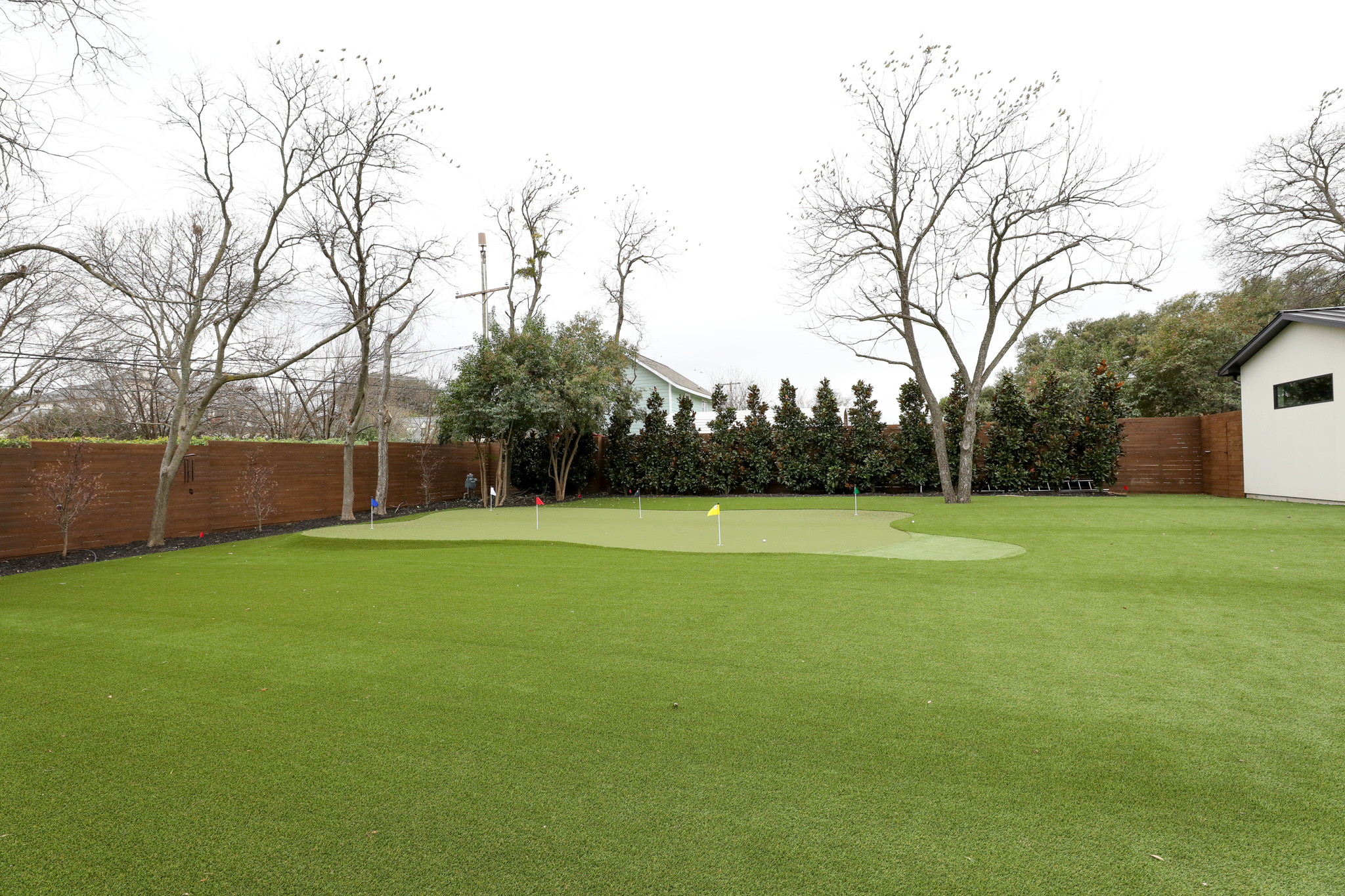
Athletes need a surface they can count on. Whether it’s for a backyard putting green, a commercial sports facility, or a school playground, our SPORTMAXX® turf is engineered for consistent performance and extreme durability. This turf is designed to be resilient to wear and tear, providing a stable and predictable surface for every play. It stands up to the constant traffic and high impact of athletic use while maintaining its look and feel. For installers, this means fewer callbacks and happier clients. For athletes, it means a professional-grade surface that’s always ready for the next game.
AQUAMAXX®: Superior Drainage, No Puddles
Water and lawns don’t always mix well, leading to mud, puddles, and pests. Our AQUAMAXX® line is the ultimate solution for any area where drainage is a top priority. Built with a 100% permeable backing, it allows water to pass through at an incredibly high rate, making it perfect for poolside areas, patios, and regions with heavy rainfall. This superior drainage means no more standing water, faster drying times after a storm, and a cleaner, more usable space year-round. It’s the go-to choice for projects that demand a clean, dry surface, no matter what the weather brings.
VALUE SERIES: Quality on a Budget
A beautiful, low-maintenance lawn shouldn’t be out of reach. Our VALUE SERIES is designed for projects where budget is a key consideration, but quality can’t be compromised. This line offers a fantastic balance of durability, aesthetics, and affordability. It’s a practical choice for large residential projects, commercial properties, and anyone looking to get the benefits of synthetic turf at a more accessible price point. As the artificial turf market continues to grow, we believe everyone should have access to high-quality options. The Value Series makes that possible, providing a reliable and attractive solution that delivers long-term satisfaction.
How to Compare Synthetic Turf Products
When you start looking at synthetic turf, the options can feel overwhelming. You’ll see terms like face weight, pile height, and thatch, and while those specs are important, they don’t tell the whole story. The best way to find the right turf is to think about how it will perform in the real world, not just on a sample sheet. A product that looks great on day one might not hold up to your dog’s daily zoomies or the intense summer sun.
To make a smart choice, you need to compare products based on four key factors: durability, maintenance, long-term value, and climate suitability. These are the things that will determine whether you’re happy with your investment for years to come. Think of it less like picking a carpet and more like choosing a core component of your landscape. By focusing on these practical considerations, you can confidently select a turf system that meets your specific needs and gives you the performance you expect. We’ll walk through each of these points to help you understand what really matters when you’re comparing different synthetic turf products.
Understanding Durability and Lifespan
A beautiful lawn is only great if it stays that way. Durability is all about how well the turf fibers stand up to foot traffic, sunlight, and daily wear. High-quality turf uses UV-stabilized fibers to prevent fading and breaking down from sun exposure, ensuring the grass keeps its color and strength. The backing is also critical; a well-constructed, permeable backing holds the fibers securely and allows for proper drainage, preventing issues down the line. When you’re comparing options, think about how you’ll use the space. A decorative front yard has different needs than a backyard that doubles as a soccer field for the kids. Look for products built to handle your specific level of activity, like our PETMAXX® line, which is designed for exceptional resilience.
Breaking Down Maintenance Needs
One of the biggest draws of synthetic turf is waving goodbye to weekend lawn chores. But “low maintenance” can mean different things depending on the product. All quality turf eliminates the need for mowing, watering, and fertilizing. However, you’ll still want to rinse it periodically to clear away dust and debris. For pet owners, choosing a turf with excellent drainage and antimicrobial properties is key to keeping things clean and fresh. Products with superior permeability, like our AQUAMAXX® systems, make rinsing away pet messes simple and effective. Consider how much time you want to spend on upkeep and choose a system that aligns with your lifestyle.
Weighing Cost Against Long-Term Value
It’s easy to focus on the initial price tag, but synthetic turf is a long-term investment. While the upfront cost is higher than seeding a natural lawn, it pays for itself over time. Think about the money you’ll save on water bills, fertilizer, lawn equipment, and landscaping services year after year. A cheaper, lower-quality turf might save you money at first, but it could lead to premature fading, shedding, or tearing, resulting in costly repairs or a full replacement sooner than you’d like. Investing in a durable, well-made product from the start ensures you get the most value and enjoyment from your new lawn for a decade or more. Our VALUE SERIES offers a great balance of quality and affordability for budget-conscious projects.
Factoring in Your Local Climate
Your climate plays a huge role in how your turf will perform, especially when it comes to heat. Standard synthetic turf can get uncomfortably hot in direct sunlight, particularly in southern and western states. Some materials, like crumb rubber infill, can absorb and retain a significant amount of heat, making the surface too hot for bare feet or paws. If you live in a warm climate, look for turf specifically engineered to stay cooler. Our HEATMAXX® SOFT products feature advanced fiber technology that reflects infrared light, reducing surface temperatures and keeping your lawn comfortable and usable even on the sunniest days. Don’t let a hot lawn keep you from enjoying your outdoor space.
How to Choose the Right Synthetic Turf
Selecting the right synthetic turf is about more than just picking a shade of green. The best choice for a project depends entirely on how the space will be used, the local climate, and the specific challenges of the installation site. A turf that works perfectly for a decorative front yard might fail completely in a high-traffic dog park. Understanding the key variables from the start is the best way to ensure a beautiful, long-lasting result that performs as expected, leading to happier clients and fewer callbacks.
Think of it as building a complete system. The turf itself is just one component. You also need to consider the base preparation, the right kind of infill, and the drainage plan. When all these elements work together, you get a surface that not only looks great on day one but holds up for years to come. This guide will walk you through the essential factors to consider, helping you confidently select from our synthetic turf products and build a system that’s perfectly matched to your project’s needs.
Consider Your Traffic and Use
First, think about who and what will be on the turf. A quiet, ornamental lawn has very different needs than a backyard that hosts neighborhood soccer games or a commercial space with constant foot traffic. For high-use areas, you’ll want a product with a durable backing and dense, resilient fibers that can stand up to wear and tear without looking matted or worn. For pet owners, a turf like our PETMAXX® series is ideal, as it’s built to handle digging and playing while offering excellent drainage. For athletic applications, a specialized SPORTMAXX® turf provides the specific performance and safety characteristics athletes need. Always match the product’s durability to the expected traffic level.
Match the Turf to Your Climate
Your local weather plays a huge role in how turf performs over time. If you’re in a hot, sunny climate, you need a product with excellent UV stabilization to prevent the color from fading. Intense sun can also heat the surface, which is why we developed our HEATMAXX® SOFT line with fibers designed to stay cooler in direct sunlight. In regions with heavy rainfall, drainage becomes the top priority. For areas with cold winters, you’ll want a turf system that can handle freeze-thaw cycles without becoming brittle or damaged. Choosing a product engineered for your specific climate ensures better performance and a longer lifespan for your investment.
Plan for Proper Drainage
Water has to go somewhere, and a soggy lawn is a recipe for problems like mold, mildew, and odors. Proper drainage starts with the base layer but is supported by the turf’s backing. All quality turf is permeable, but some products are designed for maximum flow. Our AQUAMAXX® line, for example, features a highly porous backing that allows water to pass through quickly, making it perfect for poolside areas, rainy climates, or pet-friendly spaces. A successful turf installation depends on a well-prepared base that allows water to drain away from the surface efficiently, preventing puddles and protecting the entire system.
Think About Safety and Comfort
How the turf feels is just as important as how it looks, especially in residential yards and playgrounds. For areas where kids will be playing, look for turf systems with good impact absorption to cushion falls. The right infill and accessories play a critical role here, adding softness and stability to the surface. You’ll also want fibers that are soft to the touch, not stiff or abrasive, so the lawn is comfortable for bare feet. A safe and comfortable turf installation creates a welcoming space that invites people to get outside and enjoy it, whether it’s for a family barbecue or a relaxing afternoon.
Evaluate Your Installation Site
Before you finalize your product choice, take a close look at the installation site. Is the ground sloped or perfectly flat? Are there large trees that will drop leaves and debris? What is the underlying soil like? A thorough site evaluation helps you anticipate challenges and plan accordingly. For example, a sloped yard may require extra attention to securing the turf edges, while a site with clay soil will need a more robust base to ensure proper drainage. Understanding the unique conditions of your site is the first step to a smooth installation and a result that lasts. If you need help, our dealer partners are experts at assessing sites and recommending the perfect solution.
What to Expect During Installation
A high-quality synthetic turf is a fantastic investment, but its performance and lifespan depend entirely on a proper installation. Even the best turf can fail if the groundwork isn’t right. Understanding the process helps you know what to look for, whether you’re hiring a professional or tackling a small project yourself. A successful installation ensures your new lawn is stable, drains correctly, and looks seamless for years to come. Let’s walk through the key steps so you can feel confident about your project from start to finish.
The Importance of Site Prep
Before any turf is unrolled, the existing area needs to be completely cleared and graded. This is the most critical phase of the entire project. Your installer will remove all grass, weeds, rocks, and roots to create a clean slate. Then, they’ll grade the soil to establish the right slope, guiding water away from buildings and preventing puddles. Think of it as creating the foundation for a house; if it isn’t solid and level, everything built on top will have problems. Proper site preparation is what prevents lumps, dips, and drainage issues later on, ensuring a smooth, beautiful surface that lasts.
Building the Right Base
Once the site is prepped, the next step is to build a stable sub-base. This layer, typically about four inches deep, is usually made from a mix of crushed drain rock. This specific material is key because it compacts tightly to create a firm, durable foundation that won’t shift or sink over time. It also allows for excellent drainage, letting water pass through freely. Some materials, like pea gravel, should be avoided because they don’t lock together well. This base layer is essential for supporting the turf, ensuring proper drainage, and keeping your lawn even and comfortable underfoot for years of activity.
Deciding Between Pro and DIY Installation
While a small, simple area might seem like a manageable DIY project, professional installation is almost always the best choice. Experienced installers have the specialized tools and knowledge to handle challenges like creating invisible seams, cutting turf perfectly around curves, and ensuring the infill is spread evenly. A poor installation can lead to visible seams, wrinkles, and tripping hazards, which are costly to fix. Professionals get the job done efficiently and correctly the first time, saving you headaches and protecting your investment. If you’re ready to move forward, we can help you find a trusted installer in your area who can bring your project to life.
Is Synthetic Turf a Safe, Responsible Choice?
When you’re considering a significant upgrade for a property, it’s natural to have questions about safety and environmental impact. These are important conversations, whether you’re an installer advising a client or a homeowner making a decision for your family. Let’s walk through the key considerations so you can feel confident about your choice.
A Closer Look at Material Safety and Heat
It’s completely normal to wonder about the safety of a product you’ll be installing for your clients or letting your own family play on. Let’s start with the materials. High-quality synthetic turf is made from stable, non-toxic polymers like polyethylene and polypropylene, the same plastics used for things like milk jugs and food containers. The real safety conversation today centers on two things: additives and heat. While some older or low-quality turf products raised concerns, modern turf is engineered for safety. Heat is another valid point of discussion. Synthetic turf can get warmer than natural grass in direct sun, but technology has come a long way. Our HEATMAXX® SOFT line, for example, is specifically designed with fibers that reflect infrared light, keeping the surface significantly cooler and more comfortable for everyone.
Why We Offer PFAS-Free Turf
You may have heard about PFAS, often called “forever chemicals,” and the health concerns surrounding them. We take this very seriously. That’s why we ensure our synthetic turf products are manufactured without any added PFAS. For us, safety isn’t just a buzzword; it’s a commitment. We work with suppliers who share this value and subject our products to independent, third-party testing to verify they are free from lead, heavy metals, and other harmful substances. When you choose our turf, you’re choosing a product you can confidently stand behind. This gives both you and your customers peace of mind, knowing the lawn is a safe place for kids, pets, and the whole family to enjoy for years to come.
Understanding the Environmental Impact
Let’s have an honest conversation about turf and the environment. Synthetic turf is a plastic product, and it’s important to acknowledge that. However, when you look at the bigger picture, it often presents a more sustainable option than a traditional grass lawn. Think about the resources a natural lawn consumes year after year: millions of gallons of water for irrigation, fertilizers and pesticides that can run off into waterways, and the carbon emissions from weekly mowing. A synthetic turf lawn eliminates all of that. With a lifespan of 15-20 years or more, a single installation provides a long-term solution that conserves water and cuts out the need for chemical treatments, making it a responsible choice for many homes and businesses.
Debunking Common Turf Myths
A few persistent myths about synthetic turf just don’t hold up against modern products. One of the biggest is that it isn’t safe for pets. The truth is, today’s turf is designed with furry friends in mind. Our PETMAXX® line features a fully permeable backing for excellent drainage, which makes cleanup easy and prevents odors. Another myth is that all turf looks fake. Technology has advanced dramatically, and our products use multiple colors, blade shapes, and thatch layers to create a look that’s incredibly realistic. You can see for yourself in our project gallery. Choosing a high-quality turf means you get a beautiful, low-maintenance lawn without compromising on aesthetics or pet-friendliness.
How to Get Started on Your Turf Project
Ready to bring your vision to life? Getting started on a synthetic turf project is exciting, and a little planning goes a long way. Breaking the process down into a few key steps helps ensure everything runs smoothly, from choosing your team to signing off on the final quote. Let’s walk through how to kick off your project with confidence.
Finding a Trusted Dealer or Installer
The best turf in the world won’t perform well without a great installation. Finding a professional you can trust is the most important first step. Start by looking for local installers with a strong portfolio and positive online reviews. Don’t be shy about asking for references; a confident installer will be happy to connect you with past clients. If possible, visit a few of their previous projects to see their work firsthand. This gives you a real-world look at the quality you can expect. Our dealer network is a great place to find experienced professionals familiar with our products.
Understanding Specs and Warranties
Once you have a potential installer, it’s time to talk product. Look beyond the color and feel of a turf sample and dig into the technical specifications. Key details like face weight, pile height, and backing material tell you a lot about a product’s durability. A reputable supplier will also provide a clear, straightforward warranty. Make sure you understand what’s covered, like UV degradation or manufacturing defects, and for how long. You can compare the specs for all our synthetic turf products to find the right fit for your project’s demands.
Getting an Accurate Project Quote
A thorough project quote should be more than just a single number. It needs to be an itemized list covering the turf, site preparation, base materials, infill, and labor. This transparency helps you avoid surprise costs. When you’re ready for a quote, be prepared to discuss your site’s conditions, as factors like drainage can affect the final price. For the smoothest installation, try to schedule your project when the weather is warm and dry. If you have questions or need help finding the right turf, contact our team for guidance.
Related Articles
- 4 Myths About Synthetic Turf for Sports Fields
- Myths About Artificial Grass
- Artificial Turf Market Report
Frequently Asked Questions
How long does synthetic turf actually last? A high-quality synthetic turf system is a long-term investment, typically lasting 15 to 20 years or even more. The exact lifespan depends on the quality of the materials, the amount of foot traffic it receives, and how well it was installed. A professionally installed lawn in a residential backyard will often last longer than turf in a high-use commercial area. Proper care, like rinsing it occasionally, also helps it look its best for years.
Is synthetic turf really okay for dogs, and what about the smell? Yes, modern synthetic turf is a fantastic solution for pet owners. Our PETMAXX® line is specifically designed for dogs with a highly durable, fully permeable backing. This allows urine to drain through quickly instead of pooling on the surface. Regular rinsing with a hose and using a quality infill is usually all you need to keep the area clean and prevent odors from building up.
My yard gets intense sun. Will the turf get too hot to walk on? This is a common and valid concern, especially in warmer climates. While all turf can warm up in direct sunlight, technology has provided great solutions. Our HEATMAXX® SOFT products are made with special fibers that reflect infrared light, which helps keep the surface temperature noticeably cooler than traditional turf. This makes the lawn much more comfortable for bare feet and paws on a hot day.
What does “low-maintenance” really mean? What do I have to do? Low maintenance means you can say goodbye to mowing, watering, and fertilizing forever. The upkeep is simple: you’ll want to periodically rinse the turf with a hose to wash away dust, pollen, and pet residue. In the fall, you may need to use a leaf blower to clear away leaves. For high-traffic spots, you can use a stiff-bristled broom (not metal) to fluff the fibers back up if they get matted.
Why is the base preparation so important for installation? The base is the foundation of your entire turf system, and it’s what ensures your lawn stays smooth, stable, and drains properly for its entire life. A proper base of compacted crushed rock creates a solid platform that won’t shift or sink, preventing lumps and dips from forming. It also allows water to drain through efficiently, which is key to avoiding puddles, mold, and odors. Skipping this step is the number one cause of turf system failure.
Leave a Reply