


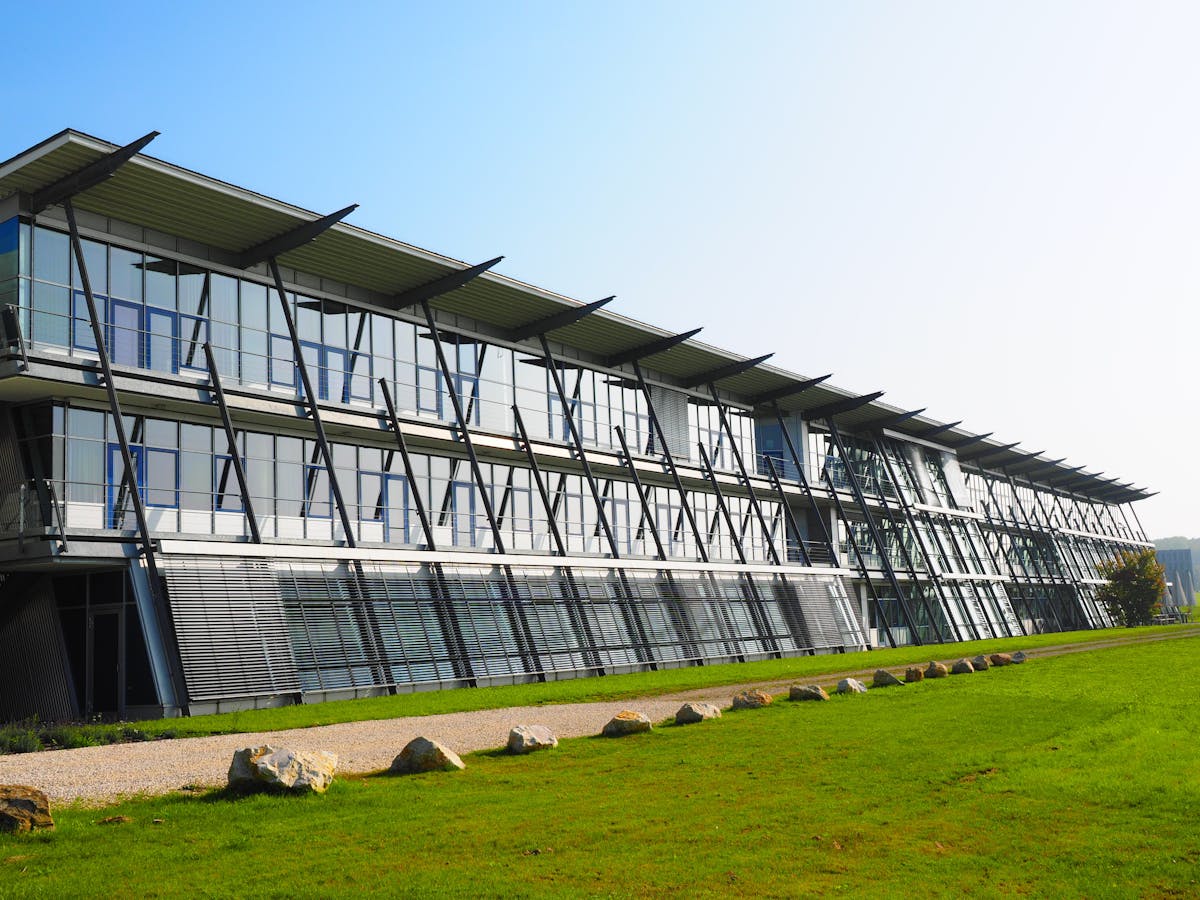
Lush green artificial turf landscaping surrounding a modern commercial building

Commercial Artificial Turf: The Ultimate Guide

Why more businesses are replacing natural grass with synthetic turf, and what the numbers look like over 5 to 10 years.

As a commercial property manager, you’re constantly balancing attractive outdoor spaces with tight operating costs. Natural grass can feel like a constant drain, demanding year-round watering, mowing, and fertilizing. That’s why so many are turning to commercial artificial turf. It’s a smart investment, and you can see a full price breakdown in our synthetic turf cost per square foot guide. For office parks, retail centers, and HOA common areas, those recurring lawn care costs add up fast, making the switch a financially savvy move.

That’s why commercial artificial turf has become one of the fastest-growing segments in the landscaping industry. Synthetic turf eliminates the maintenance treadmill and delivers a consistently green, professional appearance regardless of season, drought conditions, or foot traffic.

This guide breaks down the real benefits, costs, and return on investment so you can make an informed decision for your commercial property.

Why Switch to Commercial Artificial Turf?

1. Eliminate Mowing and Maintenance

Natural grass on a commercial property typically requires weekly mowing, edging, and blowing during growing season, plus aeration, overseeding, and fertilization multiple times per year. For a mid-sized office park, landscaping service contracts can run $2,000 to $5,000 per month depending on the region.

Artificial turf eliminates all of it. There is no mowing, no fertilizing, no irrigation system maintenance, and no seasonal replanting. The only upkeep is occasional brushing to keep fibers upright and rinsing to remove debris, which takes a fraction of the time and cost.

2. Cut Down Your Water Bill

Water is one of the largest hidden costs of natural grass, especially in drought-prone states like California, Texas, Arizona, and Nevada. Commercial turf installations save approximately 55 gallons of water per square foot per year. For a 10,000-square-foot commercial lawn, that’s 550,000 gallons of water saved annually.

In areas with tiered water rates or drought surcharges, those savings translate directly to lower utility bills. Many municipalities also offer rebates or incentives for replacing natural grass with water-efficient alternatives, which can offset a portion of the installation cost.

3. Get Perfect Green Grass All Year

First impressions matter for commercial properties. Brown patches, bare spots, and seasonal die-off can make even a well-maintained property look neglected. Commercial artificial turf maintains a uniform, vibrant green appearance 365 days a year, regardless of weather, shade patterns, or heavy foot traffic.

This consistent curb appeal supports higher property values, stronger tenant retention, and a more professional image for businesses operating on the property.

4. Withstand Constant Foot Traffic

Commercial properties face foot traffic levels that natural grass simply cannot sustain without significant damage. Walkways, common areas, event spaces, and pet relief zones take a beating. High-quality commercial turf products, like nylon-blend and polyolefin systems, are engineered for exactly this kind of use.

Premium turf systems designed for commercial applications feature reinforced backing, high tuft bind strength, and advanced drainage technology. For example, Go Green Synthetic Turf’s HEATMAXX Soft uses a polyurethane and polyolefin blend for softness without sacrificing durability, while the AQUAMAXX line provides the fastest drainage rates available for areas prone to heavy rain or irrigation runoff.

5. Create a Chemical-Free Landscape

Maintaining natural grass on commercial properties often requires herbicides, pesticides, and synthetic fertilizers. These chemicals create liability concerns, especially near playgrounds, pet areas, or outdoor dining spaces. Artificial turf requires zero chemical treatments, creating a safer environment for tenants, employees, customers, and pets.

How Much Does Commercial Artificial Turf Cost?

Understanding the true cost of commercial artificial turf requires looking at both upfront investment and long-term savings.

Understanding Material Costs

The upfront investment in commercial turf is largely driven by two factors: the materials you choose and the complexity of the installation. The turf itself is a system, but the face fibers—the individual blades of grass—are what determine the look, feel, and durability. When you’re comparing products, you’ll primarily see two material options for these fibers: polyethylene and nylon. Each has distinct advantages that make it better suited for certain applications, and understanding the difference is key to selecting a product that performs for the long haul.

Polyethylene vs. Nylon Turf

Polyethylene is the most popular material used in artificial grass today, and for good reason. It offers the most realistic appearance and a soft, pliable feel that closely mimics natural grass. This makes it an excellent choice for general landscape areas on commercial properties where curb appeal is a top priority. While it’s more budget-friendly than nylon, its primary trade-off is a lower melting point. However, modern turf technology has addressed this. For example, advanced products like our HEATMAXX® SOFT line are engineered with special additives and unique fiber shapes that help dissipate heat, keeping the surface cooler and more comfortable without sacrificing that lush look.

Nylon, on the other hand, is the workhorse of the turf world. It is the most resilient and durable fiber available, with an exceptionally high melting point and incredible wear resistance. This makes it the ideal choice for extreme high-traffic zones, commercial putting greens, and sports applications where the turf will be subjected to constant activity. The trade-off for this durability is a higher price point and a stiffer texture compared to polyethylene. For many commercial property managers, the best solution is often a hybrid approach—using a durable nylon product for heavy-use areas and a cost-effective polyethylene turf for surrounding landscapes. Exploring different product categories can help you find the right balance for your property’s specific needs.

What to Expect for Installation Costs

Commercial artificial turf installation typically ranges from $8 to $25 per square foot, depending on several factors:

Factor Impact on Cost
Turf quality and material (polypropylene, polyethylene, nylon) Higher-performance materials cost more but last longer
Base preparation (excavation, grading, compacted aggregate) Sites with poor drainage or uneven terrain require more prep
Square footage Larger projects benefit from economies of scale
Infill type (silica sand, crumb rubber, organic alternatives) Premium infill adds $1-3/sq ft but improves performance
Drainage systems Commercial-grade drainage adds cost but prevents long-term problems
Access and logistics Urban sites with limited access cost more for delivery and equipment

For a mid-range commercial installation on a 10,000-square-foot area, expect a total project cost between $120,000 and $180,000.

The Role of Labor Costs

When you get a quote for a commercial turf project, it’s important to know that labor is a major component of the final price. In fact, professional labor can account for 50% to 60% of the total project cost. This isn’t just for rolling out the turf; it covers the skilled work required for a lasting installation. This includes site excavation, precise grading to ensure proper drainage, compacting the sub-base for stability, carefully seaming turf rolls together for an invisible finish, and evenly distributing and working in the infill. A professional crew has the experience and equipment to handle these steps efficiently, preventing costly issues like poor drainage or seam separation down the road.

Factoring in Project Size and Shape

While larger projects have a higher total cost, the price per square foot often decreases due to economies of scale. However, the shape and complexity of the installation area play a huge role. A simple, large rectangle is the most straightforward and cost-effective to install. In contrast, a property with lots of curves, landscape islands, trees, or steep slopes requires significantly more cutting, shaping, and seaming. These intricate designs increase labor time and material waste, which can drive up the cost. For example, a yard with many curves can be 15% to 20% more expensive to install than a rectangular one of the same size.

Additional Site Preparation Costs

The foundation of any successful turf installation is the site preparation, and this is not an area to cut corners. Proper base preparation involves excavating the existing soil, grading the land for optimal drainage, and installing and compacting an aggregate base. Properties with poor drainage, uneven terrain, or significant slopes will require more extensive prep work, which adds to the cost. This step is critical because it ensures your turf will perform as expected for years to come. A solid base prevents sinking, puddling, and wrinkles, delivering the reliable, low-maintenance surface you’re investing in. For a closer look at what goes into a professional job, you can review our installation guidelines.

Artificial Turf vs. Natural Grass: The Real Maintenance Costs

To evaluate the ROI of artificial turf, compare it against the recurring costs of natural grass on a commercial property:

Expense Category Annual Cost Estimate (10,000 sq ft)
Lawn care service (mowing, edging, blowing) $6,000 – $18,000
Irrigation water $2,400 – $6,000
Fertilizer and weed control $1,200 – $3,000
Aeration and overseeding $800 – $2,000
Irrigation system maintenance and repairs $500 – $1,500
Pest control $400 – $1,200
Total Annual Maintenance $11,300 – $31,700

Over five years, natural grass maintenance for a 10,000-square-foot area can total $56,500 to $158,500. Over ten years, that number doubles.

How to Calculate Your Commercial Turf ROI

Here’s a straightforward framework for estimating your return on investment:

Step 1: Add Up Your Natural Grass Expenses

Add up all current maintenance expenses: lawn service, water, fertilizer, pest control, irrigation repairs, and seasonal work. For most commercial properties, this falls between $1.13 and $3.17 per square foot per year.

Step 2: Estimate Your Artificial Turf Investment

Get quotes for your specific project. A reasonable midpoint for quality commercial turf is $12 to $18 per square foot installed with proper base work.

Step 3: Find Your Break-Even Point

Payback Period = Total Turf Investment / Annual Natural Grass Savings

Example Scenario:

  • 10,000 sq ft commercial property
  • Turf installation cost: $140,000 ($14/sq ft)
  • Current annual grass maintenance: $22,000 ($2.20/sq ft/year)
  • Annual turf maintenance (brushing, rinsing): $1,500
  • Net annual savings: $20,500
  • Payback period: 6.8 years

Step 4: Project Your 10-Year Savings

  • Total 10-year natural grass cost: $220,000
  • Total 10-year turf cost (installation + minimal maintenance): $155,000
  • 10-year net savings: $65,000
  • ROI: 42%

For properties with higher water costs or more intensive maintenance requirements, the payback period shortens to as little as 3 to 5 years, and the 10-year ROI can exceed 80%.

Don’t Forget These ROI Considerations

These numbers don’t account for several additional financial benefits:

  • Water rebates and municipal incentives that reduce upfront costs
  • Increased property value from consistently maintained appearance
  • Reduced liability from eliminating chemical applications and irrigation-related slip hazards
  • Tenant satisfaction and retention from upgraded common areas

Using Online Planning Tools

Manually calculating these figures can feel overwhelming, but you don’t have to build a complex spreadsheet from scratch. Online ROI calculators are a great resource for getting a clear financial snapshot. These tools let you plug in your property’s square footage, current water rates, and annual landscaping expenses. Based on regional averages for installation—which typically fall between $8 and $25 per square foot—the calculator can project your break-even point and long-term savings. While these tools provide an excellent starting point for your budget, the next step is to get a detailed quote. A professional assessment will account for site-specific factors like drainage, grading, and the best turf system for your needs. When you’re ready for a precise project estimate, you can contact our team for guidance.

Where Does Commercial Artificial Turf Work Best?

Commercial artificial turf performs exceptionally well in these applications:

  • Office parks and corporate campuses — Low-maintenance green spaces for employees and visitors
  • Retail centers and shopping plazas — Attractive storefronts and common areas without irrigation infrastructure
  • HOA and condominium common areas — Consistent appearance that eliminates resident complaints about brown grass
  • Multi-family housing complexes — Durable pet areas and recreation spaces
  • Hospitality properties — Hotels, resorts, and event venues with year-round outdoor appeal
  • Municipal and government buildings — Water-conscious landscaping that meets sustainability mandates
  • Sports and recreation facilities — High-performance turf for athletic fields and practice areas using products like Go Green’s SPORTMAXX line

How to Choose the Right Commercial Turf

Not all artificial turf is created equal. For commercial applications, prioritize these specifications:

  • Pile height: 1.5 to 2 inches for landscaping; shorter for high-traffic walkways
  • Face weight: 40 oz/sq yd or higher for durability under commercial foot traffic
  • Backing system: Polyurethane-coated for maximum tuft bind and dimensional stability
  • Drainage rate: 30+ inches per hour to handle storm events without ponding
  • UV stabilization: Essential for maintaining color in full-sun commercial applications
  • Warranty: Look for 8 to 15-year manufacturer warranties on commercial installations

Go Green Synthetic Turf manufactures a full line of commercial-grade turf products right here in the USA. From the high-drainage AQUAMAXX system to the durable SPORTMAXX athletic turf, every product is engineered for performance and longevity. As a manufacturer with over 15 years of experience, Go Green provides direct support to dealer partners and contractors nationwide.
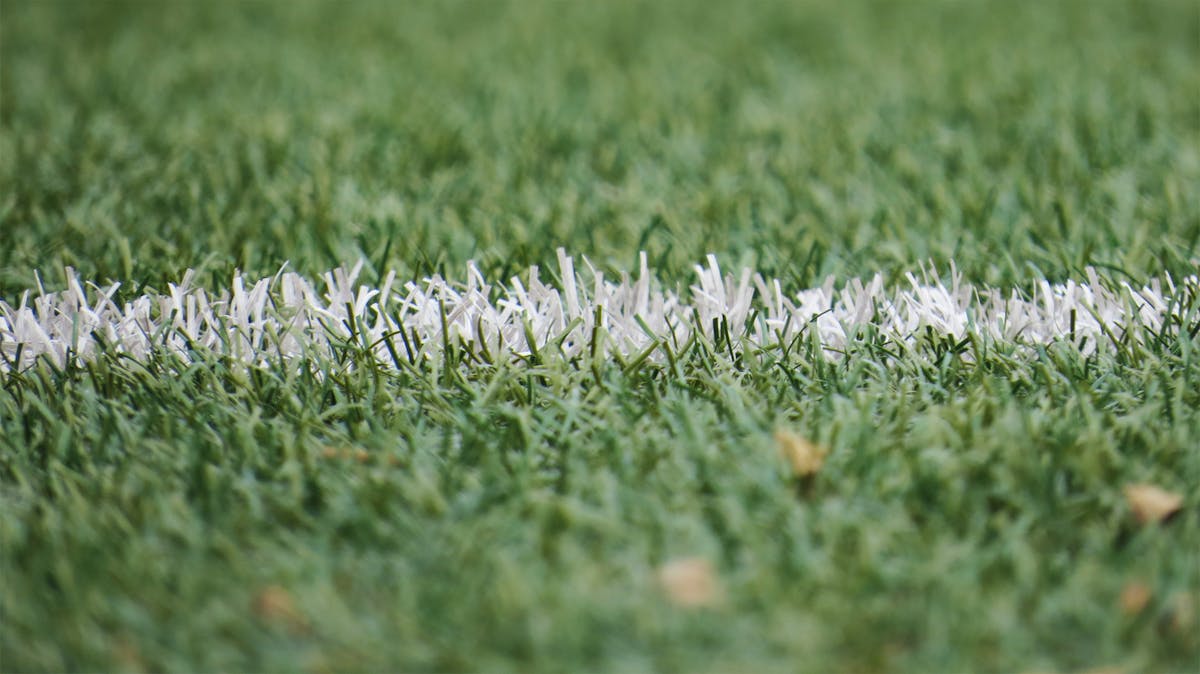
Close-up view of high-quality artificial turf fibers showing realistic grass texture
High-quality commercial artificial turf features realistic texture and UV-resistant fibers for lasting performance.

Evaluate Product Quality and Durability

When you’re choosing turf for a commercial space, the details really matter. The product needs to look great on day one and stand up to years of foot traffic, weather, and sun exposure. The difference between a turf system that lasts and one that fails often comes down to the core specifications. Focusing on a few key metrics will help you select a product that delivers long-term value and performance, ensuring your investment looks professional and inviting for years to come. This is where understanding the technical side of turf pays off, preventing costly replacements down the road.

Understanding Blade Shapes and Realism

Not all artificial grass is created equal, and for a commercial property, you need something that’s both realistic and resilient. Pay close attention to the face weight, which is the weight of the yarn in one square yard of turf. For areas with consistent foot traffic, look for a face weight of 40 ounces or higher to ensure durability. The pile height, or blade length, should typically be between 1.5 and 2 inches for a lush, natural look in landscaping areas. Shorter pile heights are better for walkways or very high-traffic zones. These specifications ensure the turf can handle commercial use without looking worn or matted. You can explore a variety of turf products to see how these specs vary by application.

Checking Warranty and Quality Certifications

A manufacturer’s warranty is more than just a piece of paper; it’s a direct reflection of their confidence in the product’s longevity. For commercial installations, you should look for a manufacturer warranty that covers a period of 8 to 15 years. This protects your investment against defects and premature wear, like significant fading from UV exposure. A strong warranty indicates that the turf has undergone rigorous testing and is made with quality materials designed to last. It’s a key indicator that you are partnering with a company that stands behind its products and is committed to long-term performance, not just initial appearance.

Look for Key Performance Technologies

The best artificial turf systems are more than just green carpet. They are engineered solutions designed to solve common landscape problems. Modern turf incorporates advanced technologies that improve everything from surface temperature to how quickly water drains away after a storm. These features are especially critical in a commercial setting, where performance directly impacts safety, usability, and maintenance needs. Investing in turf with the right built-in technologies ensures your property remains functional and beautiful, no matter the conditions. It’s the difference between a simple ground covering and a true, high-performance landscaping system.

Heat Reduction Technology

One of the oldest concerns with artificial turf was how hot it could get in direct sunlight. Today, leading manufacturers have addressed this with innovative cooling technologies. Premium turf systems often feature specialized yarn shapes and polymer additives that reflect infrared light, reducing heat buildup on the surface. For example, products like HEATMAXX® SOFT are engineered with durable fiber blends that maintain their integrity and softness even in sunny climates. A reinforced backing and high tuft bind strength also contribute to the system’s overall resilience, ensuring it performs reliably for years without degrading under thermal stress.

Superior Drainage Systems

Nothing ruins the look of a pristine landscape faster than puddles and poor drainage, which can lead to mold, mildew, and unpleasant odors. For commercial properties, especially those in rainy climates or with pet relief areas, superior drainage is non-negotiable. Look for turf systems with highly permeable backings that allow water to pass through quickly. The AQUAMAXX® product line, for instance, offers some of the fastest drainage rates available, capable of handling heavy rain and preventing water from pooling on the surface. This technology keeps your green spaces usable and clean right after a downpour.

Sourcing Your Turf: Specialty Dealers vs. Big-Box Stores

While you might see rolls of artificial grass at a big-box hardware store, commercial projects demand a higher level of product quality and installation expertise. Specialty turf suppliers and their dealer networks provide access to commercial-grade products that are simply not available in retail stores. These products are engineered specifically for high-traffic and large-scale applications. Furthermore, working with a specialty dealer means you get expert guidance on everything from site preparation to selecting the right infill. Go Green Synthetic Turf supports a nationwide network of installers with USA-made products, ensuring you get a system built for performance, not just a roll of turf.

Consider Sustainable and Eco-Friendly Options

Beyond the impressive ROI, commercial artificial turf offers significant environmental benefits that align with modern corporate sustainability goals. The most obvious advantage is water conservation, but the positive impact doesn’t stop there. Because artificial turf requires zero chemical treatments, you eliminate the use of potentially harmful pesticides, herbicides, and fertilizers. This creates a safer, chemical-free environment for employees, tenants, customers, and pets who use the outdoor spaces. Choosing a durable, long-lasting turf system also reduces waste over the long term compared to the constant cycle of reseeding and replacing sod. Proper installation is key to maximizing these benefits for the life of your property.

What to Know Before You Install

Making the switch to artificial turf on a commercial property is a straightforward process:

  1. Site assessment — Evaluate the area for drainage, grading, and base conditions
  2. Product selection — Choose turf type, pile height, and infill based on the application
  3. Base preparation — Excavate, grade, and compact aggregate for a stable foundation
  4. Installation — Professional installation by certified contractors ensures warranty coverage
  5. Final inspection — Verify seam integrity, infill distribution, and drainage performance

For commercial projects, always work with a manufacturer or authorized dealer who specializes in commercial installations. Residential-grade products and installers often lack the specifications and experience needed for high-traffic commercial environments.

Frequently Asked Questions

How long does commercial artificial turf last?

Quality commercial artificial turf typically lasts 15 to 20 years with proper installation and minimal maintenance. Products with higher face weight and UV stabilization hold up best in high-traffic commercial environments.

Is artificial turf safe for employees and visitors?

Yes. Modern commercial turf products are non-toxic, lead-free, and ASTM-tested. They eliminate the need for chemical fertilizers, herbicides, and pesticides, reducing exposure risks compared to natural grass.

Does artificial turf get hot in direct sunlight?

Standard turf can absorb heat on sunny days. However, heat-reducing products like Go Green’s HEATMAXX Soft are specifically designed to stay cooler underfoot, making them ideal for commercial properties in Sunbelt states.

Can artificial turf handle heavy rain and drainage?

Commercial-grade turf systems are engineered with drainage rates of 30+ inches per hour. Products like the AQUAMAXX line offer the fastest drainage rates in the industry, preventing ponding even during heavy storms.

What is the ROI timeline for commercial artificial turf?

Most commercial properties see a payback period of 4 to 8 years, depending on local water costs and current maintenance expenses. The 10-year ROI typically ranges from 40% to 80%+.

DIY vs. Professional Installation

The idea of installing artificial turf yourself can be appealing, especially when you consider the potential cost savings. For a smaller residential project, going the DIY route can save you a significant amount on labor. However, commercial properties present a completely different set of challenges. These projects often involve large, complex areas, require precise grading for proper drainage, and must withstand constant foot traffic. A professional installer brings the specialized equipment and expertise needed to prepare the base correctly, create invisible seams, and ensure the entire system performs as designed for years to come. For a commercial investment, hiring a certified professional isn’t just about convenience; it’s about ensuring a long-lasting, warrantied result and avoiding the costly problems that come with an improper installation.

Choosing Your Installation Border

Your installation border is a critical finishing detail that provides both structural integrity and a clean, polished look. It’s what keeps the edges of your turf secure and prevents lifting or fraying over time. One common technique is to frame the area with treated wooden boards, to which the turf is nailed or stapled. This edge can then be covered with mulch or decorative rock for a seamless transition. For a more permanent and durable solution often seen in commercial settings, concrete curbing or paver stone borders create a sharp, defined edge that holds up well against foot traffic and landscape maintenance. No matter which material you choose, the goal is to create a solid frame that locks the turf system in place, working with the infill to keep your landscape looking perfect.

Maintaining Your Commercial Artificial Turf

While commercial artificial turf eliminates the daily grind of mowing and watering, it’s not a “set it and forget it” solution. Proper, minimal maintenance is key to protecting your investment and ensuring it looks and performs its best for years to come. Think of it less like constant yard work and more like simple housekeeping for your landscape. A little bit of care goes a long way in preventing the most common issues and keeping your property’s curb appeal at its peak. Avoiding a few simple missteps will ensure your turf remains a valuable asset, not a maintenance headache.

Common Maintenance Mistakes to Avoid

The biggest maintenance mistakes often come from treating synthetic turf like natural grass or, conversely, neglecting it entirely. One of the most frequent errors is failing to maintain the infill. Infill is the granular material spread between the turf fibers that provides stability, cushioning, and helps the blades stand upright. Over time, it can compact or get displaced, so it’s important to periodically brush the turf with a stiff, non-metal broom and replenish infill levels as needed. Another common pitfall is using the wrong cleaning tools. Harsh chemicals can damage the turf fibers and backing, while metal rakes can tear the material. Stick to mild soap, water, and soft-bristled brushes for cleaning. Finally, don’t skip routine rinsing. A simple spray with a hose removes dust, pollen, and other debris, keeping your turf looking fresh and preventing organic matter from building up.

Setting Realistic Expectations: Potential Downsides

Making a smart investment means looking at the full picture. While high-quality commercial turf offers incredible benefits, it’s important to understand the potential trade-offs and how to manage them. Most “downsides” of artificial turf are not inherent flaws in the technology itself, but rather outcomes of choosing low-quality products or cutting corners on installation. By being aware of these potential issues from the start, you can make choices that ensure your project’s long-term success and avoid disappointment down the road. A well-informed decision is always the best decision for your property.

Appearance of Lower-Quality Turf

Not all turf is made the same, and this is where quality really matters. A potential downside you might see with budget or lower-grade options is a decline in appearance over time. These products may use materials without proper UV stabilization, causing them to fade to an unnatural color under constant sun exposure. They can also be more prone to matting, where the fibers get crushed and fail to spring back, creating a flat, worn-out look. To avoid this, always invest in high-performance products from a reputable manufacturer. Look for turf engineered with resilient fibers and robust UV inhibitors to ensure it maintains its vibrant, realistic appearance for its entire lifespan.

Fixed Blade Height

Unlike natural grass that you can mow to a desired length, artificial turf has a fixed blade height. This means the look you get on day one is the look you’ll have for the life of the product. This isn’t a problem, but it does make your initial product selection critical. Choosing a pile height that’s too short for a lush lawn aesthetic or too long for a high-traffic walkway can lead to dissatisfaction. This is also why proper base preparation is so crucial. An improperly graded base can create the illusion of an uneven surface, an issue that can’t be fixed by mowing. Working with an experienced installer ensures you select the right product and that the foundation is perfectly prepared for a flawless result.

Is Commercial Artificial Turf Right for Your Business?

Commercial artificial turf is a capital investment that pays for itself through eliminated maintenance costs, water savings, and improved property appeal. For most commercial properties, the payback period falls between 4 and 8 years, with 10-year savings of $50,000 to $100,000+ depending on property size and local cost factors.

The math is simple: the longer you plan to operate the property, the stronger the financial case for synthetic turf.

Ready to explore commercial turf options for your property? Contact Go Green Synthetic Turf at (844) 328-9382 to discuss your project with a commercial turf specialist, or learn more about becoming a dealer partner.

Key Takeaways

  • Calculate Your Long-Term Savings: Treat artificial turf as a financial asset by comparing its one-time installation cost against your property’s annual expenses for water, mowing, and chemical treatments. Most commercial properties find their investment pays for itself in 4 to 8 years.
  • Match the Turf Specs to the Application: The success of your project depends on choosing the right product for the job. Prioritize key specifications like face weight and backing systems, and select turf with specialized technologies (like heat reduction or advanced drainage) for problem areas.
  • A Professional Install Protects Your Investment: The quality of the installation is just as important as the quality of the turf itself. Proper base preparation and expert installation are essential for ensuring correct drainage, preventing future issues, and keeping your manufacturer’s warranty valid.

Related Articles