


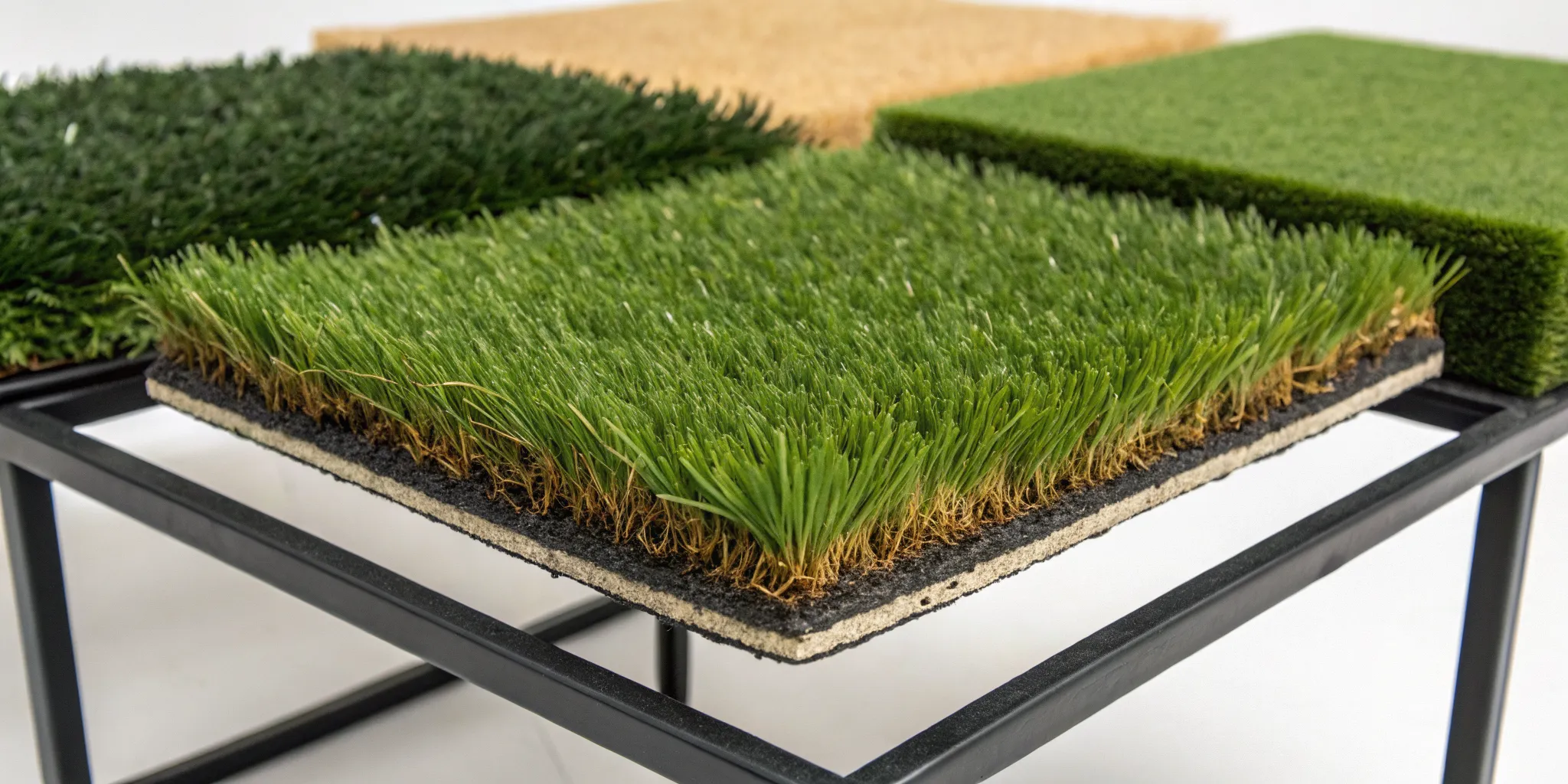
Wholesale Artificial Turf 101: The Ultimate Guide
Every project starts with a specific need. A family wants a soft, safe surface for their kids to play on. A business owner needs a durable, low-maintenance solution for a high-traffic commercial property. A pet resort requires a clean, odor-free space. The success of each of these installations depends on choosing the right material from the very beginning. Sourcing wholesale artificial turf gives you access to a wide range of specialized products engineered for these unique demands. We’ll break down the different types of turf available and help you match the right system to any job, ensuring the final result performs exactly as your client expects.
Key Takeaways
- Focus on long-term value, not just upfront cost: The lowest price often signals lower quality materials that can fade or wear out quickly. Investing in a durable, well-made turf system saves you money on future repairs and keeps your clients happy.
- Select the right turf for the specific application: Always consider how the space will be used. A high-traffic commercial area needs a dense, resilient turf, while a pet-friendly yard requires excellent drainage and durability.
- Vet your supplier to build a reliable partnership: A great supplier offers more than just a product; they provide consistent quality, expert support, and clear specifications. Always request samples and review warranties before committing.
What is Wholesale Artificial Turf?
At its core, wholesale artificial turf is simply turf sold in large quantities, usually at a lower price per square foot than you’d find at a retail store. This model is designed for professionals like contractors, landscapers, and installers who need a reliable and cost-effective source of materials for their projects. When you buy wholesale, you’re not just purchasing a product; you’re building a relationship with a supplier who provides consistent quality, technical guidance, and a steady inventory.
For an installer, this relationship is key. It means you can count on the turf you order today being the same high quality as the turf you order six months from now. This consistency helps you avoid project delays and confidently stand behind your work. A great wholesale partner offers a range of products for specific applications, from pet-friendly turf to durable sports fields, and helps you choose the right system for any job.
Wholesale vs. Retail: Key Differences
The most obvious difference between wholesale and retail is the price, but the distinction goes much deeper. While retail is geared toward one-off DIY projects, wholesale is built for business. Wholesale pricing isn’t just about finding the cheapest roll; it’s about understanding the factors that create long-term value, like brand reputation, warranty strength, and material quality. A lower upfront cost doesn’t mean much if the turf fades in a year.
Another key difference is the source. Many wholesalers are simply resellers, but some suppliers are both manufacturers and distributors. This direct-from-the-factory model gives them greater control over product quality and allows them to offer more competitive pricing. When you work with a trusted supplier, you gain access to expertise and support that you simply won’t find in a retail aisle.
Is Buying Wholesale Right for You?
If you’re a contractor or run a landscaping business, the answer is a resounding yes. Buying wholesale can save you 20-40% compared to retail prices, making it a smart financial decision that directly impacts your bottom line. It’s the most efficient way to source high-quality materials for multiple projects. Before you commit, it’s wise to thoroughly evaluate potential suppliers to ensure you’re getting the best quality and service for your investment.
For homeowners, the answer usually depends on the project size. If you’re tackling a very large area and can meet minimum order quantities, buying wholesale might be an option. However, for most residential jobs, the best approach is to work with a professional installer. They already have established relationships with wholesale suppliers and can manage the entire process, from sourcing the right turf to ensuring a flawless installation.
Types of Wholesale Artificial Turf
Not all artificial turf is created equal. The best product for a lush, green backyard is very different from what you’d install in a doggy daycare or on a community soccer field. Understanding the distinct categories of turf helps you select the right system for any project, ensuring it performs well and keeps your clients happy for years. Choosing the right type from the start saves you from installation headaches and costly callbacks. Let’s walk through the main applications so you can confidently match the turf to the job.
Residential Landscape Turf
For most homeowners, the goal is a beautiful, low-maintenance lawn that looks and feels like the real thing. Residential landscape turf is designed with aesthetics and comfort in mind. These products often feature a mix of blade shapes, colors, and thatch layers to create a realistic appearance. They also need to be durable enough to handle kids playing, backyard parties, and everyday foot traffic. When selecting a residential turf, look for a soft feel and a pile height that provides a full, natural look without being difficult to maintain. A quality landscape turf gives homeowners the perfect green lawn they’ve always wanted, without the weekend chores.
Commercial and High-Traffic Turf
Commercial properties, office parks, and public spaces see a lot more action than a typical backyard. For these high-traffic areas, durability is the top priority. Commercial-grade turf is engineered to withstand constant foot traffic without showing signs of wear and tear. It typically has a shorter pile height and a higher turf density to improve its resilience. This ensures the turf blades spring back into place and maintain their appearance over time. For installers, choosing a robust commercial turf means fewer maintenance calls and a reputation for quality work that lasts. These durable products are built to perform under pressure.
Pet-Friendly Turf Solutions
When pets are involved, drainage and cleanliness become the most important factors. Pet-friendly turf is designed with a highly permeable backing that allows liquids to pass through quickly, preventing odors from building up. Many pet systems also include antimicrobial additives in the blades or infill to inhibit bacteria growth and keep the area sanitary. The turf itself needs to be tough enough to resist digging and rough play. By installing a dedicated pet turf system, you can give pet owners a clean, safe, and odor-free space for their furry family members to enjoy.
Sports and Athletic Turf
From backyard putting greens to indoor training facilities, sports turf is all about performance. These systems are engineered for specific athletic activities, focusing on player safety, durability, and consistent playability. For example, putting green turf has a short, dense pile for a true ball roll, while field turf is designed for optimal shock absorption to reduce player injuries. The construction of sports turf is highly specialized to meet the demands of athletes. Choosing the right system ensures the surface plays correctly and can handle the intensity of the sport it was designed for.
Specialty Applications
Sometimes, a project doesn’t fit neatly into a standard category. You might need turf for a rooftop patio, a poolside area, or a unique architectural design. Specialty applications often require turf with specific features. For pool surrounds, you’ll want a product with maximum drainage and a texture that’s comfortable on bare feet. For rooftops, weight and proper drainage are key considerations. A good supplier can provide turf systems for these unique challenges, like AQUAMAXX® for wet areas, or even help you create a custom solution for a one-of-a-kind installation.
How to Choose the Right Wholesale Turf
With so many options on the market, picking the right turf can feel overwhelming. But the secret is simple: match the product to the project. The perfect turf for a decorative front yard won’t be the same as the one for a busy dog park. Thinking through a few key factors will help you select a turf system that performs beautifully for years, leading to happy clients and fewer callbacks. Let’s walk through exactly what to look for.
Consider Pile Height and Density
Pile height is the length of the turf blades, while density refers to how many fibers are stitched into the backing. Taller piles create a lush, luxurious look, but they can sometimes flatten under heavy foot traffic. Shorter, denser turf is incredibly resilient and bounces back easily, making it ideal for active areas. The cost of artificial turf often depends on these factors, so finding the right balance between aesthetics, performance, and budget is key. A good starting point is to explore different product categories to see the variety available and get a feel for what will work best for your project.
Check Material Quality and Durability
A beautiful lawn that doesn’t last is a headache for everyone. High-quality turf is an investment in durability. Look for products made with resilient yarns and a strong, permeable backing system that can withstand the elements and daily use. While it might be tempting to choose a less expensive option, a well-made turf saves you money and time on maintenance and replacements down the road. For projects that demand extra toughness, like play areas or pet runs, consider specialized systems like our PETMAXX® line, which is engineered for maximum durability and peace of mind.
Factor in Your Climate
Climate plays a huge role in how turf performs. If you’re installing in a hot, sunny region, heat retention is a major consideration. Modern turf has come a long way, and many products are designed to stay cooler. Our HEATMAXX® SOFT series, for example, uses advanced yarn technology to reduce surface temperatures. On the other hand, if you’re in an area with heavy rainfall, drainage is the priority. You’ll want a turf system with a highly permeable backing, like AQUAMAXX®, to prevent puddles and ensure water flows through efficiently.
Assess Traffic and Usage Needs
Finally, think about how the space will be used. A purely ornamental lawn that sees little foot traffic has different requirements than a backyard that doubles as a soccer field for the kids. For high-traffic commercial spaces or athletic applications, you’ll need a turf with a shorter pile height, high density, and durable fibers. Our SPORTMAXX® turf is built specifically for these demanding environments. Always match the product’s specifications to the project’s demands to ensure the turf looks great and performs well for its entire lifespan.
What Does Wholesale Artificial Turf Cost?
Figuring out the cost of wholesale artificial turf is a top priority for any project, whether you’re an installer quoting a job or a property manager planning a budget. While the price tag is important, it’s just one piece of the puzzle. The total cost depends on the turf’s quality, features, and the supplier you choose. A lower upfront price might seem appealing, but it can lead to performance issues and callbacks down the road.
Understanding the pricing structures and potential hidden costs helps you make a smarter investment. It allows you to compare different turf products accurately and confidently explain the value to your clients. Think of it less as just buying a product and more as investing in a long-term solution. A quality turf system that performs as promised is worth the initial investment, leading to happier customers and a stronger reputation for your business. Let’s break down what you can expect to pay and what factors influence the final price.
Typical Price Ranges and Structures
When you start shopping for wholesale turf, you’ll see prices listed per square foot. Generally, the material cost for artificial grass can range from around $1.35 to over $3.50 per square foot. This wide range reflects the significant differences in quality and technology across various products. Basic landscape turf will fall on the lower end, while specialized systems with advanced features will be at the higher end.
For example, turf with superior cooling technology like our HEATMAXX® SOFT series or turf engineered for maximum drainage like AQUAMAXX® will command a premium price. That’s because you’re paying for the research, development, and high-grade materials that ensure top performance in specific conditions. Always remember to compare products with similar specifications to get a true sense of value.
Bulk Discounts and Order Minimums
One of the main advantages of buying wholesale is access to bulk pricing. Suppliers reward larger orders with lower per-square-foot costs, which is essential for installers managing large residential or commercial projects. Many suppliers have a minimum order quantity (MOQ) you must meet to qualify for these wholesale rates. It’s always a good idea to ask about pricing tiers.
Sometimes, you might be just a few hundred square feet short of hitting the next discount level. In these cases, do the math. It can occasionally be cheaper to buy the minimum quantity for the bulk discount than to pay a higher rate for the exact amount you need. Building a strong relationship with your supplier through a partner program can also give you access to better pricing and more flexible ordering options.
Budgeting for Hidden Costs
The price of the turf itself is only part of the total project cost. To create an accurate budget, you need to account for several other expenses. Shipping and logistics can add a significant amount, especially for large or cross-country orders. Always get a clear quote that includes freight charges so there are no surprises.
You also need to budget for all the necessary infill and accessories, such as sand or rubber infill, seam tape, adhesive, and nails. When comparing turf prices, pay close attention to the product specifications. Some companies might advertise a low price based on the turf’s total weight (including the backing), while the more important metric is the face weight, which measures the amount of yarn used. A higher face weight usually means a denser, more durable product.
Where to Source Wholesale Artificial Turf
Once you know what kind of turf you need, the next big question is where to get it. Finding a reliable supplier is just as important as choosing the right product specifications. A great supplier acts as a partner, providing consistent quality, clear communication, and support when you need it. This relationship is key to avoiding project delays, frustrating callbacks, and unhappy clients. Your reputation is on the line with every installation, so it pays to be selective about your source.
There are a few common paths for sourcing wholesale turf, and each has its own set of benefits. You can buy directly from a manufacturer, work with an authorized dealer, or connect with a regional distributor. The best choice for you will depend on your business size, project volume, and the level of support you need. Let’s break down what each option looks like so you can find a sourcing strategy that helps your business grow and keeps your projects running smoothly.
Buying Direct from the Manufacturer
Going straight to the source and purchasing from a manufacturer can be a smart move, especially for established installers. This approach often leads to cost savings and gives you access to a wider variety of products, including specialty or made-to-order turf systems. Building a direct relationship with a manufacturer means you have a clear line of communication for technical questions and support. Some manufacturers are both the supplier and the maker, which ensures you receive high-quality turf that can be tailored to your specific project requirements. This direct connection can give you a competitive edge and more control over your inventory.
Working with Authorized Dealers
For many installers, partnering with an authorized dealer is the ideal route. A good dealer does more than just sell artificial grass; they provide valuable expertise, quality assurance, and reliable support throughout your project. Think of them as an extension of your team. They can help you sort through the complexities of choosing the right turf system for a tricky application, ensuring you have the best solution for the job. This partnership can be incredibly valuable, helping you reduce installation problems and build a reputation for quality work. A strong dealer program provides the resources and consistent product performance you need to sell and install with confidence.
Sourcing from Regional Distributors
Sourcing your turf from a regional distributor can be a strategic advantage, particularly when dealing with local climate challenges and client expectations. These distributors typically maintain an inventory that is specifically tailored to the demands of the area. This means you’re getting access to artificial turf products that have already been proven to perform well in your specific region, from intense sun to heavy rainfall. This localized approach often translates to better product availability, faster shipping times, and support from people who truly understand the market you’re working in. It’s a great way to ensure you’re installing a product you can stand behind.
How to Evaluate Wholesale Turf Suppliers
Finding the right wholesale turf supplier is about more than just getting a good price. You’re looking for a partner who provides consistent, high-quality products and stands behind them with reliable support. A great supplier helps you avoid installation headaches and costly callbacks, ensuring your projects succeed and your customers are happy. When you’re vetting potential suppliers, you’re building a relationship that should support your business for years to come.
The best suppliers are transparent about their products and processes. They make it easy to understand what you’re buying and how it will perform in the real world. To find a supplier you can trust, focus on four key areas: the product specifications, performance testing, warranty and support, and the quality of their samples. Digging into these details will help you separate the dependable partners from the rest. A strong dealer program is often a good sign that a supplier is invested in your success.
Review Material Specifications
Before you commit to a supplier, take a close look at their product specifications. A detailed spec sheet tells you everything you need to know about the turf’s construction and quality. Look for key details like face weight, pile height, fiber material, and backing type. These factors determine the turf’s durability, feel, and suitability for different applications. A supplier who provides clear, comprehensive specs for their entire product line shows they are confident in what they sell. For example, a product with superior drainage technology like our AQUAMAXX® series will have specs that clearly outline its permeable backing system, giving you the information you need to choose the right turf for poolside areas or rainy climates.
Check for Performance and UV Testing
A quality turf system is built to last. Ask potential suppliers about their performance and UV testing procedures. Reputable manufacturers put their products through rigorous testing to ensure they can withstand foot traffic, resist fading from sun exposure, and manage heat effectively. This is especially important for turf installed in sunny, hot climates. Products like our HEATMAXX® SOFT turf are specifically engineered with heat-reflective technology to keep surfaces cooler. A supplier who openly shares their testing data is one you can trust to deliver a product that performs as promised, keeping your installations looking great for years.
Verify Warranty and Customer Support
A strong warranty is a direct reflection of a supplier’s confidence in their product’s longevity. Review the warranty terms carefully to understand what is covered and for how long. But a warranty is only part of the equation. You also need a supplier with excellent customer support. When you’re on a job site and have a question, you need fast, reliable answers. A good partner will be easy to reach and have knowledgeable staff ready to help with everything from product recommendations to installation troubleshooting. Test their responsiveness by reaching out with a few questions before you place your first order. A supplier who is easy to contact and eager to help is a valuable asset.
Request and Assess Samples
Never buy turf without seeing and feeling it first. A trustworthy supplier will gladly provide samples so you can evaluate the quality for yourself. When you get a sample, don’t just look at the color. Feel the texture of the blades, check the density of the fibers, and examine the durability of the backing. Bend it to see how flexible it is. Compare it to other samples to see the difference in quality. Seeing the product in person helps you set realistic expectations and ensures you’re choosing the best turf for your specific project, whether it’s a lush backyard or a durable pet-friendly space. This simple step is one of the most effective ways to guarantee you’ll be happy with the final result.
Planning for Installation Challenges
Choosing the perfect turf is a great start, but a successful project depends entirely on a quality installation. Even the most premium artificial grass can look subpar if the groundwork isn’t right. Thinking through the process from delivery to the final brush-up helps you avoid common pitfalls that lead to costly repairs and unhappy clients. A little planning goes a long way in preventing issues with logistics, site preparation, and seaming.
From the moment the turf arrives to the final infill application, every step matters. A bent roll can create a permanent crease, an uneven base can lead to puddles and dips, and a poorly executed seam can ruin the entire aesthetic. These aren’t just minor details; they are the difference between a landscape that looks great on day one and one that performs beautifully for years. We’ll cover the most common installation challenges and how to plan for them, ensuring your project runs smoothly and the final result meets professional standards.
Transporting and Handling Your Turf
Artificial turf rolls are heavy and awkward, and handling them correctly is the first step in a smooth installation. When a roll is dropped or bent, it can create creases that are difficult or impossible to remove, damaging the product before it’s even unrolled. Make sure you have enough people and the right equipment, like a forklift or heavy-duty dollies, to move the turf safely from the truck to the installation site. Many professional installers prefer to pick up their orders directly to oversee the handling from the start. If you have questions about the logistics of a delivery, it’s always a good idea to contact your supplier ahead of time.
Preparing the Ground Correctly
The work you do underneath the turf is just as important as the turf itself. A stable, level base is non-negotiable for a professional-looking finish. If the ground isn’t prepared correctly, you’ll end up with a lumpy, uneven surface that drains poorly and won’t last. Proper ground preparation involves excavating the area, laying and compacting a sub-base of crushed stone, and ensuring a slight grade for proper water runoff. This foundation prevents sinking, puddles, and weeds, creating a solid base for the turf system. For a detailed walkthrough, you can always refer to a comprehensive installation guide.
Getting Seams and Equipment Right
Creating invisible seams is the true art of turf installation. To achieve a seamless look, every piece of turf must be laid with the grass fibers, or blades, pointing in the same direction. This ensures a consistent color and texture across the entire surface. Cutting and joining the pieces requires sharp knives, quality seam tape, and strong adhesive. Rushing this step or using the wrong tools can lead to visible lines that cheapen the look of the project. You’ll also need a power broom to brush up the fibers and work in the infill and accessories evenly once the turf is laid.
Professional vs. DIY Installation
Deciding between a DIY installation and hiring a professional often comes down to project size and complexity. For a small, rectangular patch, a DIY approach can be manageable if you’re prepared for the heavy lifting and have the right tools. However, installing turf is physically demanding and requires precision. For larger areas, projects with unique shapes, or properties with drainage challenges, hiring an experienced installer is almost always worth it. Professionals have the expertise and specialized equipment to prepare the base correctly, hide seams perfectly, and complete the job efficiently. Finding a trusted professional through a dealer partner program can ensure your investment is installed to last.
Common Mistakes to Avoid When Buying Wholesale
Buying wholesale turf is a smart move for your business or large-scale project, but a few common missteps can turn a great deal into a costly headache. Getting the best value means looking beyond the price tag and understanding the complete picture. By avoiding these frequent mistakes, you can ensure your project succeeds with turf that performs beautifully for years, keeping clients happy and your reputation solid.
Focusing Only on Price
It’s tempting to hunt for the absolute lowest price per square foot, but this is one of the biggest mistakes you can make. An unusually cheap roll of turf often signals compromises in quality, like poor UV stability, weak backing, or sparse fibers. These issues lead to premature fading, tearing, and a thin, unnatural look. Instead of focusing on the initial cost, think about the long-term value. A high-quality product like our HEATMAXX® SOFT series might have a higher upfront cost, but it saves you money over time by reducing callbacks, replacement needs, and unhappy customers. True wholesale savings come from finding the right balance of price and performance.
Ignoring Product Specifications
Every turf project has unique demands, and overlooking the technical details can lead to failure. A lush, high-pile turf that’s perfect for a front lawn will get matted and worn down in a high-traffic commercial space. Always check the product specifications, including pile height, face weight, density, and backing material. These details determine how the turf will look, feel, and perform under specific conditions, from draining rainwater to standing up to pet activity. We provide clear specs for all our turf systems so you can confidently match the right product to the right application, ensuring a successful installation every time.
Overlooking Minimum Order Quantities
Wholesale pricing is often tied to minimum order quantities (MOQs). Failing to account for these minimums can throw your budget off track. Before you commit, understand the supplier’s pricing structure. Sometimes, you might be just a few hundred square feet short of a bulk pricing tier. In these cases, it can be cheaper to buy the full minimum quantity than to purchase the exact smaller amount at a higher rate. This also leaves you with extra material for future repairs or add-ons, which is always a smart move. Always do the math to see which option gives you the best overall value for your project.
Forgetting to Vet Your Supplier
Your turf supplier is more than just a vendor; they are a partner in your project’s success. Don’t make the mistake of choosing a supplier without doing your homework. A great supplier provides more than just turf. They offer consistent quality, reliable inventory, and expert support when you need it. Look into their reputation, read reviews, and ask about their warranty and customer service policies. A trustworthy partner will be transparent about their products and processes. We built our Partner Program to provide dealers and installers with the dependable products and practical guidance they need to grow their businesses.
How to Find the Best Wholesale Turf Deals
Finding a great deal on wholesale turf isn’t just about the lowest price. It’s about getting the best value for your project without compromising on quality. A smart purchasing strategy considers timing, total project costs, and logistics. By thinking through the entire process, you can secure high-quality turf that fits your budget and keeps clients happy.
Time Your Purchase Strategically
Landscaping demand spikes in spring and summer, which can affect turf pricing. If your project is flexible, consider buying during the off-season, like late fall or winter. This is when suppliers often look to move inventory, and you might find better pricing. It’s also a great time to check for any clearance products or year-end promotions. Planning ahead can save you money and prevent delays when the busy season hits.
Compare Total Project Costs
The price on the turf roll is just one piece of the puzzle. To understand the true cost, look at the entire project. A cheaper turf might require more expensive infill or specialized tools, costing you more in the end. When budgeting, factor in all necessary infill and accessories, like seaming tape and nails. This approach helps you provide accurate quotes to clients and prevents unexpected expenses.
Understand Shipping and Logistics
Artificial turf is heavy, so shipping can be a significant expense. Always get a clear freight quote before finalizing your order to avoid surprises. Sourcing from a supplier with a good distribution network can make a huge difference in cost and delivery time. Ask about options like warehouse pickup versus job site delivery. For professionals, joining a partner program can provide access to streamlined logistics and predictable shipping, which is a huge advantage for scheduling.
Negotiate for the Best Price
Negotiation is more than asking for a discount; it’s about building a strong, long-term relationship with your supplier. The best way to get favorable pricing is to become a valuable customer. If you plan on placing large or frequent orders, you’ll have more room to discuss pricing. Before you talk numbers, do your homework and be prepared with your project specifications. Suppliers are more likely to work with you when they see you as a serious, professional partner.
Frequently Asked Questions
As a homeowner, can I buy turf wholesale? While it’s technically possible for very large residential projects, it’s usually not the most practical route. Wholesale suppliers have minimum order quantities that most DIY projects don’t meet. A better approach for most homeowners is to work with a professional installer. They have established relationships with quality suppliers, can get the best materials for your specific needs, and handle the entire installation process correctly.
Is more expensive turf always the best choice? Not necessarily. A higher price often reflects advanced features like cooling technology, superior drainage, or an extremely dense construction for heavy traffic. The “best” turf isn’t the most expensive one; it’s the one that perfectly matches your project’s demands. A decorative front lawn doesn’t need the same specifications as a community dog park, so focus on finding the right balance of performance and value for how the space will be used.
What’s the difference between face weight and total weight? This is a great question because it gets to the heart of product quality. Face weight measures only the weight of the turf fibers, or the grass blades themselves. This is the best indicator of how dense and durable the turf will be. Total weight includes the heavy backing material. Some lower-quality products can have a high total weight but a low face weight, so always check the face weight specification to get a true sense of the turf’s quality.
How much extra turf should I order for my project? A good rule of thumb is to order about 10-15% more turf than your project’s exact square footage. This extra material accounts for the cuts and trimming you’ll need to do, especially for areas with curves or irregular shapes. It also ensures you have a small amount left over from the same dye lot for any potential repairs in the future, which is much easier than trying to find a perfect match years later.
Besides the turf, what are the most important materials I’ll need for installation? A successful installation depends just as much on what’s underneath the turf. You’ll need to budget for a proper sub-base material, like crushed stone, to ensure a stable and level foundation. You will also need high-quality seam tape and adhesive to create invisible connections between turf pieces. Finally, the correct infill is essential for helping the blades stand upright, protecting the backing, and giving the lawn the right feel underfoot.
Leave a Reply