


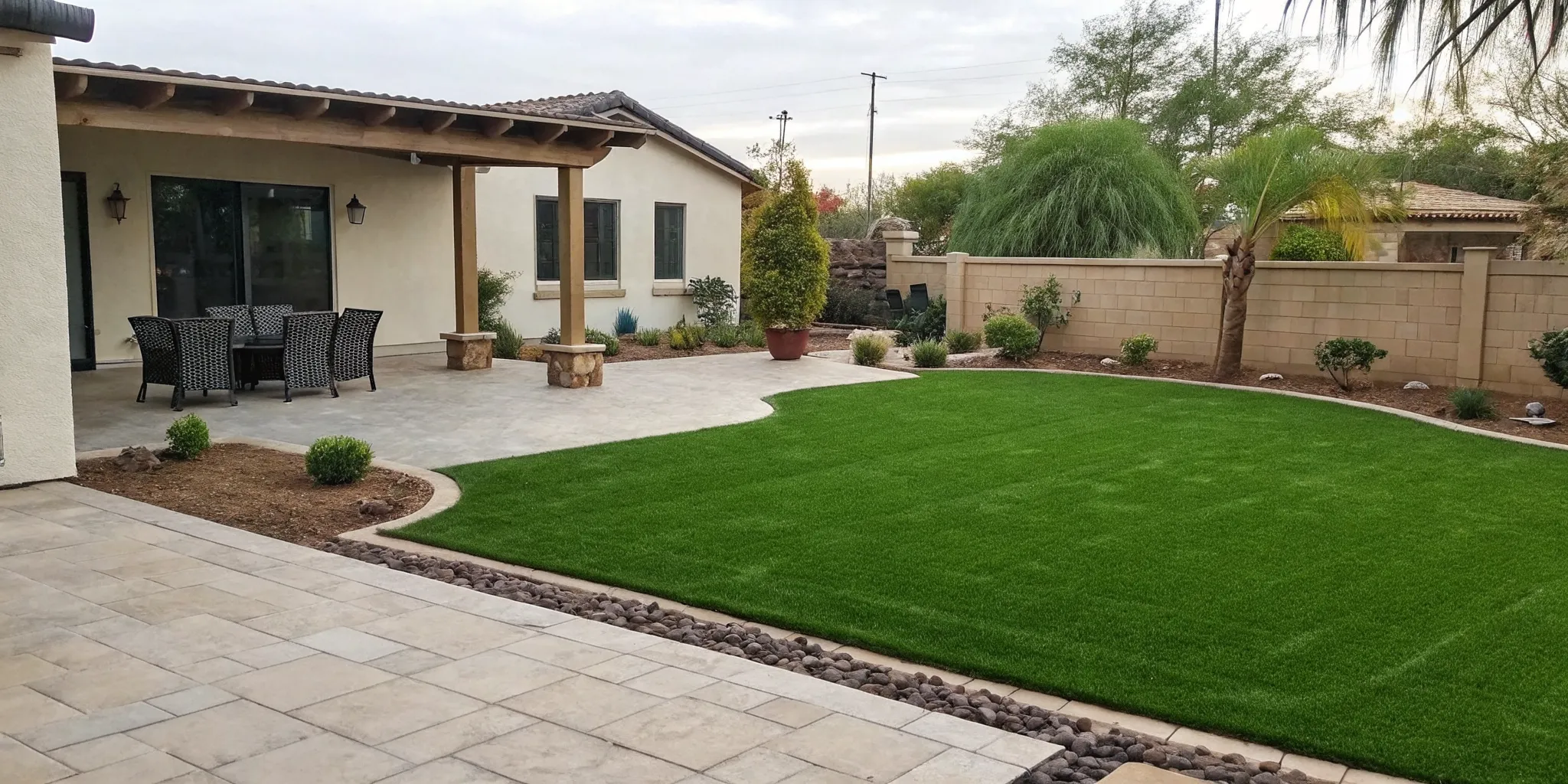
Artificial Turf for Backyard Cost: What to Expect
The upfront artificial turf for backyard cost can seem like a significant number, but it’s only half of the story. A natural lawn comes with a lifetime of expenses: endless water bills, seasonal fertilizers, and weekend hours spent behind a mower. When you look at the total cost of ownership, synthetic turf shifts from an expense to a smart investment in your property. It pays you back every season in saved money, time, and effort. This article will walk you through the initial project costs and then show you how those numbers stack up against the long-term savings, giving you a complete financial picture.
Key Takeaways
- Understand your total project cost: The final price includes more than just the turf; it covers essential groundwork, the specific turf product you choose, and professional labor to handle your yard’s unique layout.
- Factor in your long-term savings: An artificial lawn is an investment that pays you back by eliminating years of expenses for water, fertilizer, and lawn care equipment, saving you both time and money.
- Weigh the pros and cons of installation: While a DIY approach can lower upfront costs, hiring a professional ensures a flawless, durable result and helps you avoid common mistakes that lead to expensive repairs.
What’s the Real Cost of an Artificial Turf Lawn?
Let’s get straight to the point: you want to know how much an artificial turf lawn is going to cost. It’s one of the first questions everyone asks, and for good reason. The final price tag depends on more than just the turf itself; it includes materials, labor, and the specific needs of your yard. Understanding the breakdown helps you set a realistic budget and see where your money is going. Think of it as an investment in your property that pays off in curb appeal and reclaimed weekends.
The Average Cost Per Square Foot
When you start looking for pricing, you’ll see it’s almost always calculated per square foot. Generally, you can expect a professional installation to cost anywhere from $9 to $20 per square foot. For a typical 1,000-square-foot lawn, that puts the total project cost in the ballpark of $9,000 to $15,000. Of course, this is a wide range because the final number is influenced by the specific turf products you choose, your location, and the complexity of the job. A simple, flat yard will cost less than one with tricky angles or drainage issues. This all-in price covers everything: the turf, infill, base preparation, and labor.
DIY vs. Pro Install: A Price Check
Tackling the installation yourself can definitely lower the upfront cost. The materials for a DIY project typically run between $4 and $8 per square foot. While that sounds tempting, it’s important to remember that a flawless, long-lasting result requires skill and the right equipment. A professional installation, which can range from $6 to $20 per square foot, buys you expertise. Pros know how to prevent common issues like poor drainage, visible seams, and wrinkling. Following proper installation steps is critical, and hiring an experienced team ensures your new lawn performs beautifully for years to come, saving you from costly fixes down the road.
Key Factors That Affect Your Total Cost
When you start pricing out an artificial turf project, you’ll quickly see that the cost per square foot for the turf itself is just the starting point. The final number on your quote depends on several important factors that can vary from one yard to the next. Understanding these variables will help you set a realistic budget and see exactly where your money is going. From the specific product you choose to the unique layout of your yard, each element plays a role in the total investment.
The Quality of Your Turf
Not all artificial grass is made the same, and the product you select is one of the biggest drivers of cost. High-performance turf made from durable materials will typically have a higher price tag, but it’s an investment in longevity, especially for high-traffic areas. The construction of the turf, including its pile height, density, and backing technology, also influences the price. Our different turf products are designed for specific applications, from pet-friendly turf with enhanced drainage to heat-resistant options for sunny climates. Choosing a higher-quality turf often means better performance and a longer lifespan for your lawn, which can save you money over time.
Yard Prep and Drainage Needs
What’s underneath your turf is just as important as the turf itself. The current condition of your yard will have a major impact on the amount of prep work required. A flat, level area with good natural drainage will be less labor-intensive than a lumpy yard with slopes or existing water issues. A proper installation always includes excavating the old lawn, grading the soil, and installing a solid base of crushed rock. This foundation is critical for stability and preventing water from pooling on the surface. If your yard has significant drainage challenges, additional work may be needed, which will add to the overall project cost.
The Size and Shape of Your Space
This might seem obvious, but the bigger the area, the more you’ll spend on materials and labor. However, it’s not just about the total square footage. The shape of your yard also matters. A simple square or rectangular lawn is straightforward to install. But a yard with lots of curves, tight corners, or obstacles like trees and garden beds requires more intricate cutting and seaming. This complexity increases the amount of labor time and skill needed to get a clean, professional finish, which is reflected in the installation cost. You can see examples of different projects to get an idea of how various layouts come together.
Your Location and Local Labor Rates
Where you live plays a surprisingly large role in your total installation cost. Labor rates can vary significantly from one region to another based on the local economy, cost of living, and the demand for qualified turf installers. A project in a major metropolitan area will likely have higher labor costs than one in a smaller town. Because installation is a skilled trade, you’re paying for the crew’s expertise, time, and equipment. This is why it’s always a good idea to get a few detailed quotes from reputable professionals in your area. If you need help finding an installer, we can help you connect with a local partner.
How Turf Type Affects Your Budget
The artificial turf you choose is one of the biggest factors in your project’s total cost. While it might be tempting to just pick the cheapest option, the price tag is tied directly to the materials, technology, and durability of the product. A less expensive turf might look great on day one, but it may not hold up to heavy foot traffic or direct sun. Understanding the differences will help you select a turf that not only fits your budget today but also performs beautifully for years, saving you from headaches and replacement costs down the road.
Exploring Go Green’s Product Tiers
To make finding the right fit easier, we organize our turf into different product lines based on features and performance. If you’re working with a tight budget, our VALUE SERIES offers a great-looking lawn without the premium price tag. For projects that demand higher performance, like yards in hot climates, we have specialized collections designed to handle specific challenges. Thinking about your project’s needs first will help you narrow down the options and find a turf that gives you the best performance for your investment. It’s all about matching the product to the job.
Economy vs. Premium Turf
The price difference between turf products often comes down to the yarn used to make the blades. Polypropylene is a softer, budget-friendly option, but it’s less resilient in high-traffic zones. Polyethylene is the most common choice because it strikes a great balance between a realistic look, a soft feel, and durability. Then there’s nylon, the toughest of the bunch and typically the most expensive. Investing in a premium turf with more durable yarn, which you can explore in our full product lineup, often means a longer lifespan for your lawn and fewer worries about wear and tear.
Specialty Turf for Pets, Sports, and Play
If your backyard is a playground for pets or kids, you’ll want to look at specialty turf. These products are engineered to handle specific challenges, which can affect the price. For example, our PETMAXX® series is built with extra-durable fibers and superior drainage, which is essential for keeping pet areas clean and odor-free. Similarly, turf for sports or play areas is designed for heavy use and safety. While these specialized options might have a higher upfront cost, they are built to solve specific problems, preventing costly issues like poor drainage or premature wear later on.
Don’t Forget These “Hidden” Costs
When you start budgeting for a new artificial lawn, it’s natural to focus on the cost of the turf itself. But to get a clear picture of the total investment, you have to look beyond the price per square foot of the grass. The final project cost includes all the essential prep work, materials, and logistics required to do the job right. These aren’t really “hidden” costs so much as they are foundational components of a quality installation that every project needs.
Thinking about them from the start helps you build a realistic budget, avoid surprises, and ensure your new lawn is built to last. A great installation is all about what’s underneath, and getting the foundation right is what guarantees your turf will look and perform its best for years. It’s the key to avoiding common problems like sinking spots, poor drainage, or weeds poking through. By understanding the full scope of the work, you can confidently compare quotes from installers and make sure you’re investing in a complete solution, not just a roll of turf.
Base Materials and Groundwork
A long-lasting artificial lawn starts with a solid foundation. Before any turf is rolled out, the ground needs to be properly prepared, and this groundwork comes with its own set of costs. The process typically involves removing your old grass, leveling the soil, and then building up a sub-base of crushed rock or gravel. This base provides stability and helps with drainage. A weed barrier is also installed to prevent unwanted growth from poking through. Factoring in materials and labor, this site preparation can add between $1.50 and $3.00 per square foot to your project. For a detailed look at what this process involves, you can review a typical installation guide.
Infill and Drainage Solutions
Infill is the granular material that’s spread over the turf after it’s installed. It helps the grass blades stand upright, adds weight to keep the turf in place, and provides a soft, cushioned feel underfoot. The type of infill and accessories you choose will affect your final cost. Beyond infill, you also need to consider your yard’s specific drainage needs. While a standard base is often enough, properties with poor drainage or in rainy climates may require additional solutions, like perforated drain tiles, to effectively manage water flow. Addressing drainage properly from the start is far more affordable than fixing a waterlogged lawn later.
Permits, Disposal, and Rentals
Finally, don’t overlook the logistical costs that can add up. Depending on where you live and the scale of your project, you might need to secure a permit from your local municipality. You’ll also need a plan for disposing of all the old sod and soil you excavate from the site. If you’re taking the DIY route, you’ll have to budget for renting specialized equipment like a sod cutter and a plate compactor. This is one area where hiring a professional can streamline the process. An experienced installer will handle the permits, disposal, and equipment, bundling these expenses into their overall quote and saving you the headache of managing it all yourself.
Common Installation Hurdles That Add to Your Bill
Beyond the turf and infill, the unique characteristics of your yard play a big role in the final cost. Every project has its own set of challenges, and a professional installer will factor these into your quote. Understanding these potential hurdles ahead of time helps you see the full picture and appreciate why a thorough, professional job is so important.
Some of the most common issues that can add to your bill are poor drainage, a complex yard layout, and difficult site access. While these factors increase the upfront cost, addressing them correctly is the key to a beautiful, long-lasting lawn that performs well for years. Ignoring them to save a few dollars now often leads to much bigger, more expensive problems later. Think of it as an investment in getting the job done right the first time, so you can avoid headaches and enjoy your new green space without worry.
Solving for Poor Drainage
If your yard turns into a swamp every time it rains, that’s something that needs to be fixed before any turf goes down. Water needs a clear path to drain away, and a soggy sub-base can lead to sinking, odors, and a shortened lifespan for your lawn. To solve this, your installer may need to add a more extensive drainage system under the turf, which involves extra labor and materials. For areas where drainage is a top concern, using a turf with a highly permeable backing, like our AQUAMAXX® line, is a smart move. This ensures water flows through freely, keeping your lawn stable and dry.
Tricky Yard Shapes and Site Access
A simple, flat rectangle is the easiest and most affordable shape to install. If your yard has lots of curves, slopes, or permanent features like trees and garden beds, the job gets more complex. Each curve requires precise cutting and seaming, which takes more time and skill. You can see examples of these custom fits in our project gallery. Similarly, if your backyard is hard to reach with equipment and materials, that can increase labor costs. Installers need to account for the extra time it takes to move everything from the truck to the installation site, which can impact the final price.
Why a Quality Install Saves Money Later
It can be tempting to cut corners with a cheaper installer or a DIY approach, but a poor installation almost always costs more in the long run. An improperly prepared base can lead to dips and uneven surfaces, while bad seams can lift and create tripping hazards. Most importantly, inadequate drainage can ruin the entire project. A professional installation ensures a solid base, secure seams, and proper water flow, protecting your investment. Paying for quality work upfront means you won’t have to spend money on frustrating repairs or a full replacement just a few years down the road.
Calculating Your Long-Term Savings
The initial price tag for an artificial turf installation can feel like a big number, but it’s only one part of the financial picture. A natural grass lawn comes with a lifetime of recurring costs for water, fertilizer, equipment, and general upkeep. When you add up these expenses over the years, the long-term value of synthetic turf becomes clear. Think of it less as a one-time expense and more as an investment that pays you back season after season. By eliminating the constant demand for resources and labor, a high-quality turf system frees up both your time and your budget for other things.
Say Goodbye to High Water Bills
One of the most significant and immediate savings you’ll notice is on your water bill. Artificial turf doesn’t need a single drop of water to stay green and vibrant, which is a game-changer, especially in areas with water restrictions or high utility costs. Over the course of a hot, dry summer, the savings can be substantial. For property managers and homeowners in drought-prone regions, this isn’t just a perk; it’s a practical solution to a growing problem. You get a beautiful, lush lawn year-round without the guilt or expense of constant watering. Plus, with advanced turf systems like AQUAMAXX®, you get incredible drainage performance, so rainwater is managed effectively without creating mud or puddles.
No More Mowing, Fertilizing, or Weeding
Imagine reclaiming your weekends. With artificial turf, you can put away the lawnmower for good. There’s no more mowing, edging, or trimming required to keep your yard looking sharp. You also get to skip the endless cycle of fertilizing and weeding. Those recurring trips to the garden center for bags of chemicals and weed killer are a thing of the past. This doesn’t just save you money on products and lawn care services; it saves you valuable time. Instead of spending hours on yard work, you can simply enjoy your outdoor space. A quick rinse with a hose is all it takes to keep your turf clean and ready for action.
Ditching Lawn Care Equipment and Chemicals
Beyond the lawnmower, think about all the other equipment that a natural lawn requires: the weed wacker, the spreader, the aerator. Maintaining, fueling, and eventually replacing this equipment adds up. With synthetic turf, you can clear out the garage and even sell that old gear. You also eliminate the need for pesticides, herbicides, and fertilizers. This not only saves you money but also creates a healthier environment by preventing chemical runoff into local waterways. It makes your yard a cleaner, safer place for kids and pets to play, which is a major reason many families choose our PETMAXX® turf systems. You get peace of mind knowing your green lawn is truly green.
Should You DIY or Hire a Professional?
Deciding between a DIY installation and hiring a professional is a major crossroads in any turf project. While tackling the job yourself can seem like a great way to save money, it’s a labor-intensive process that demands specific skills and tools. A professional installation costs more upfront but delivers peace of mind and a polished result that lasts. Your final choice depends on your budget, timeline, and confidence in your landscaping skills. Let’s break down what each path involves so you can make the right call for your yard.
The DIY Route: Tools, Time, and Talent
Going the DIY route can cut your costs significantly, but it’s important to be realistic about what the job entails. This isn’t a simple weekend project. A proper turf installation requires excavating your existing lawn, hauling and spreading several tons of base material, and precisely grading the surface for drainage. You’ll also need specialized tools like a plate compactor, power broom, and seam tape, which you may have to rent. Before you commit, take an honest look at the full installation process. If you have the time, physical ability, and attention to detail, a DIY project can be incredibly rewarding.
Common DIY Mistakes to Avoid
Many DIY turf installations run into trouble because of a few common, but critical, mistakes. The biggest one is improper ground preparation. You cannot just roll turf out over dirt; a compacted aggregate base is essential for stability and drainage. Without it, your lawn will be lumpy, uneven, and prone to pooling water. Another frequent issue is visible seams. Joining two pieces of turf so they look like a single, flawless surface takes practice. Poorly made seams are an instant giveaway that the turf is artificial and can even become tripping hazards over time. Finally, failing to plan for drainage can turn your beautiful new lawn into a swampy mess after the first rain.
When to Call in a Professional
If your yard has tricky slopes, drainage challenges, or a complex shape, hiring an experienced installer is almost always the best choice. Professionals have the expertise to solve problems before they start and the right equipment to get the job done efficiently. They ensure your base is perfectly graded, the seams are invisible, and the final product is secured correctly. While a general landscaper might offer to do the work, a dedicated turf installer will have specialized knowledge that often leads to a better result. We can help you find a trusted partner in your area who knows our products and can guarantee a beautiful, long-lasting installation.
Smart Ways to Lower Your Installation Cost
An artificial turf installation is a fantastic upgrade, and while quality work is worth the investment, you can still be smart about the cost. With a bit of planning, you can lower your overall bill without sacrificing the professional finish and long-term performance you want. Here are a few practical ways to manage your budget and get the best value from your project.
Get a Few Quotes
Getting multiple quotes is a must, but be sure you’re comparing specialists. A general landscaper might offer turf installation, but a dedicated turf installer has the specific tools and experience for the job. They understand the nuances of base preparation, drainage, and seaming that are critical for a long-lasting lawn. We recommend connecting with a few qualified installers in your area to get a detailed breakdown of their services. This helps you compare apples to apples and find a partner you trust to do the job right the first time.
Plan Your Project Timing
Timing can influence your installation cost. Landscaping companies are often busiest during the spring and summer, which can impact pricing. If your project is flexible, consider scheduling it during the off-season, like late fall or winter. During these slower months, some installers may offer promotional pricing or have more availability, which can work in your favor. Planning ahead not only gives you more scheduling options but can also lead to some welcome savings. It’s a simple strategy that can make a real difference to your budget and project timeline.
Do Some of the Prep Work Yourself
While we recommend a professional for the technical work, you can lower labor costs by handling some initial prep yourself. This is a great middle-ground between a full DIY and a hands-off install. Tasks like removing old grass, clearing debris, and hauling away waste are jobs you might tackle over a weekend. By clearing the area, you reduce the hours your crew needs to be on-site. Just be sure to discuss this with your installer beforehand to make sure your work meets their requirements for the next steps of the installation process.
Related Articles
- Artificial Grass Installation: What to Expect and How to Prepare
- Choosing the Right Turf: Product Guide for Every Yard
- Pet-Friendly Turf: Why PETMAXX® is the Best Choice for Your Furry Friends
- AQUAMAXX®: Advanced Drainage Solutions for Artificial Lawns
- Gallery: See Real Artificial Turf Projects and Get Inspired
Frequently Asked Questions
Why is there such a wide price range, from $9 to $20 per square foot? The final price per square foot reflects the total project, not just the turf. This range accounts for the specific turf product you choose, the amount of groundwork your yard needs, and local labor rates. A simple, flat yard using a budget-friendly turf will be on the lower end, while a complex space with drainage issues requiring a premium turf will be on the higher end.
Is hiring a professional installer really worth the extra cost? Absolutely, especially if you want a lawn that looks great and lasts for years. A professional installation is an investment in expertise. Pros have the right equipment and skill to create a stable, well-drained base and invisible seams, which are the most common areas where DIY projects go wrong. Paying for a quality installation upfront saves you from the much larger expense of fixing mistakes down the road.
Besides the turf itself, what are the biggest costs I need to budget for? The most significant costs outside of the turf are the materials and labor for the foundation. This includes excavating your old lawn, bringing in tons of crushed rock for a stable base, and grading it all for proper drainage. You also need to account for the cost of infill, which is the granular material that helps the turf blades stand up and provides cushioning.
How long will it take for my new lawn to pay for itself? The payback period really depends on your local water rates and how much you used to spend on lawn maintenance. You’ll see immediate savings on your water bill, and you can stop buying fertilizer, pesticides, and gas for the mower. When you add up those recurring costs over five to seven years, you’ll often find the turf system has paid for itself while giving you back your weekends.
My yard has some tricky spots, like slopes and poor drainage. How much will that affect the price? Challenging features like these will increase the total cost because they require more skilled labor and potentially extra materials. An installer will need to spend more time grading a slope correctly or installing an additional drainage system to handle water runoff. While it adds to the initial bill, properly addressing these issues is critical for the long-term success of your lawn.
Leave a Reply